National Dish South Korea: Kkaennip Jeon (Recipe)
In this article
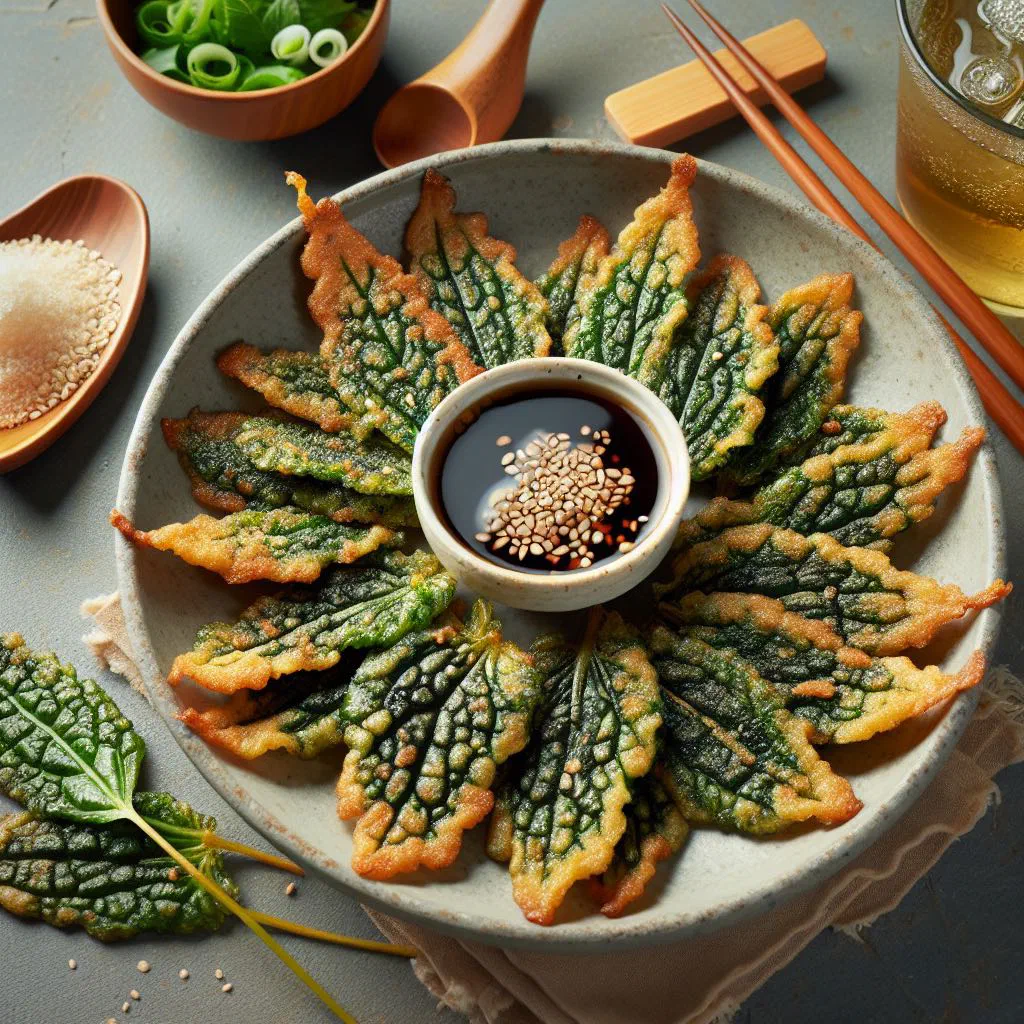
Meet Kkaennip Jeon, a wonderfully simple Korean treat that turns fragrant perilla leaves into crisp, golden fritters. Each leaf is dipped in a light batter and pan-fried until the edges turn lacy and crunchy, while the herb keeps its distinctive minty, aniseed-like aroma. Served as a side dish or a moreish snack, these little pancakes capture the homely charm of Korean home cooking, quick to make, hard to stop eating, and a lovely introduction to one of the kitchen’s most underrated herbs.
About Kkaennip Jeon
Kkaennip Jeon is a traditional Korean dish that puts the unique flavour of perilla leaves firmly in the spotlight. These delicate pancakes are a popular side in South Korean cooking and are often served as a snack. The contrast between the crisp batter and the characteristic, slightly herbal taste of the perilla leaves makes them a memorable bite. Kkaennip Jeon is easy to put together and is guaranteed to win plenty of fans at the table.
Ingredients (serves 1–2)
- 1 whole bunch of perilla leaves (kkaennip)
- 100 g plain flour
- 1 egg
- 100 ml water
- 1 teaspoon soy sauce
- 1 pinch of salt
- Vegetable oil, for frying
Shopping for the ingredients
The ingredients for Kkaennip Jeon are available in most Asian grocery shops or larger supermarkets. The perilla leaves in particular can sometimes be tricky to track down, as they are not especially widely stocked. Look for fresh leaves with no brown patches or discolouration. Alongside the basics such as flour and eggs, you will also need vegetable oil for frying, which is what gives the pancakes their lovely crispness.
Preparing the dish
Before you start cooking, it pays to have everything ready to go. Wash the perilla leaves thoroughly and leave them to drain well. While they dry, you can make the batter by combining the flour, water, egg, soy sauce and a pinch of salt in a bowl. Stir the mixture well so no lumps remain. You are aiming for a smooth, even consistency that will coat each leaf neatly.
Step-by-step instructions
- Heat a frying pan over medium heat and add a little vegetable oil.
- Dip a perilla leaf into the batter so it is evenly coated on both sides.
- Carefully lay the leaf in the hot pan and fry for around 2–3 minutes, until golden and crisp.
- Turn the leaf and fry the other side until it, too, is golden brown.
- Repeat with the remaining leaves and serve the Kkaennip Jeon warm.
Gluten-free / lactose-free version
If you would like a gluten-free version of Kkaennip Jeon, simply swap the wheat flour for gluten-free flour. There are several blends that work beautifully for pancakes and give a very similar result. For a lactose-free preparation the recipe is already largely suitable, and you can replace the egg with alternatives such as apple sauce or mashed banana if needed. That way you can enjoy this delicious dish without compromising on the ingredients.
Tips for vegans and vegetarians
For a vegan version of Kkaennip Jeon, simply leave out the egg or replace it with a mixture of water and ground flaxseed, which works well as an egg substitute. This mixture offers similar binding power and helps hold the batter together. As long as you keep your ingredients fully plant-based, checking that the oil and soy sauce are vegan, you will end up with a tasty, wholesome dish that fits neatly into a plant-based diet. For more meat-free inspiration, the seasoned bean sprouts in Kongnamul Muchim make a lovely companion.
More tips and tricks
When frying, make sure the oil is properly hot so the pancakes crisp up quickly and do not soak up too much oil. Use kitchen tongs or a spatula to turn the leaves gently, so they do not tear. To make the dish even more aromatic, you can stir chopped spring onions or garlic into the batter. These additions give the Kkaennip Jeon an extra depth of flavour that pairs wonderfully with the perilla leaves. If you enjoy this style of fritter, you might also like the savoury Pajeon and oyster-studded Gul Jeon.
Adapting the recipe to your taste
Kkaennip Jeon can be tweaked in all sorts of ways to suit different palates. If you like things hotter, work some chilli powder or chopped fresh chilli into the batter. Cheese can also be added for a particularly rich, savoury variation, if that fits your diet. Give your creativity free rein and experiment with different herbs and spices to build a personal recipe that matches your tastes exactly.
Ingredient substitutions
If you cannot get hold of perilla leaves, there are a few alternatives you can fall back on. Spinach or chard make good substitutes, offering a tasty flavour and a similar texture. When it comes to the flour, you can experiment with rice flour or chickpea flour to bring in different flavours and nutritional profiles. Swaps like these make the recipe even more flexible, so you can vary it however you like.
Drink pairing ideas
Kkaennip Jeon goes beautifully with a range of drinks. An ice-cold green tea or a classic Korean tea harmonises wonderfully with the savoury taste of the pancakes. If you fancy something with a little more zing, try a Korean lemonade or a yarrow tea, which can complement the aroma of the perilla leaves. For special occasions, a light wine or sake also rounds off the experience nicely.
Serving and presentation ideas
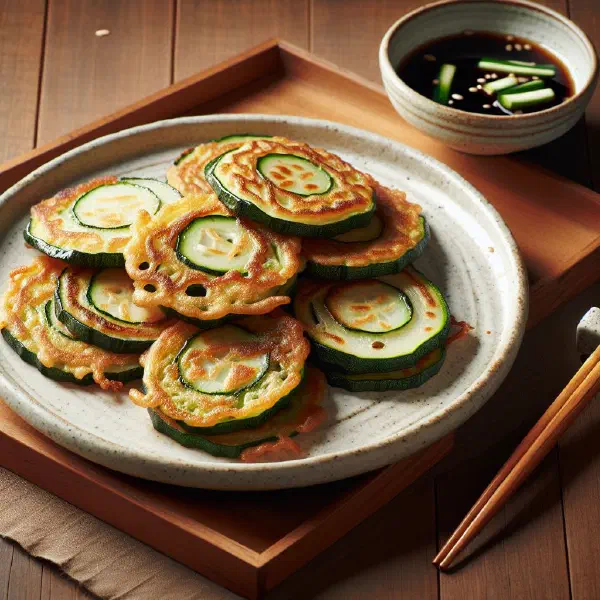
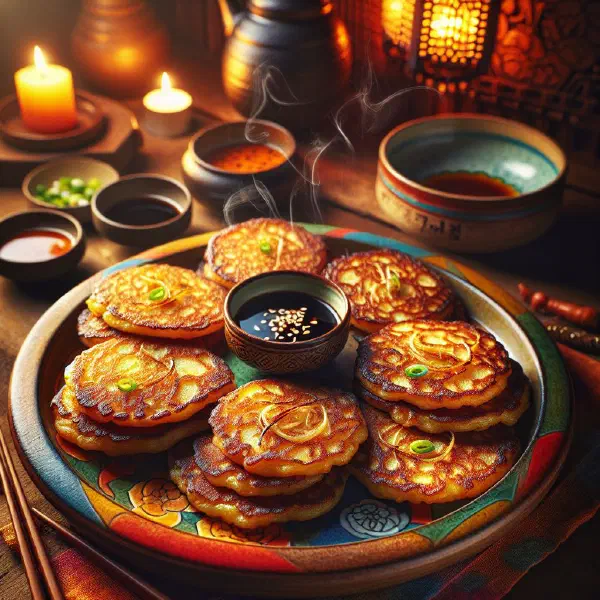
The way you present your Kkaennip Jeon can lift the whole eating experience. Serve the pancakes on a handsome platter or in a woven basket, dressed with fresh perilla leaves or a dipping sauce. An attractive garnish of spring onions or sesame seeds adds extra colour contrast and makes the dish even more inviting. Choose tableware that reflects the flavours and the quiet beauty of Korean cooking.
A bit of history
Kkaennip Jeon has its origins in South Korean food culture, where it is prepared in countless homes as a popular side or snack. The use of perilla leaves in Korean cooking goes back centuries, and they are valued both for their health benefits and their distinctive taste. These pancakes hold a special place in everyday cooking and also stand as a symbol of the appreciation for regional ingredients that runs through South Korean cuisine. They are a fine example of how traditional recipes can be adapted to the modern kitchen.
More recipe ideas
Summary: Kkaennip Jeon
Kkaennip Jeon is a delicious and versatile dish from the Korean kitchen, easy to make and a brilliant showcase for the special aroma of perilla leaves. With a short list of ingredients you can have these crisp pancakes ready in next to no time. The dish offers plenty of room for adaptation, so everyone can enjoy it just the way they like. Whether as a snack or a side, Kkaennip Jeon is sure to be a hit at your next meal.