National Dish South Korea: Kongbiji Jjigae (Recipe)
In this article
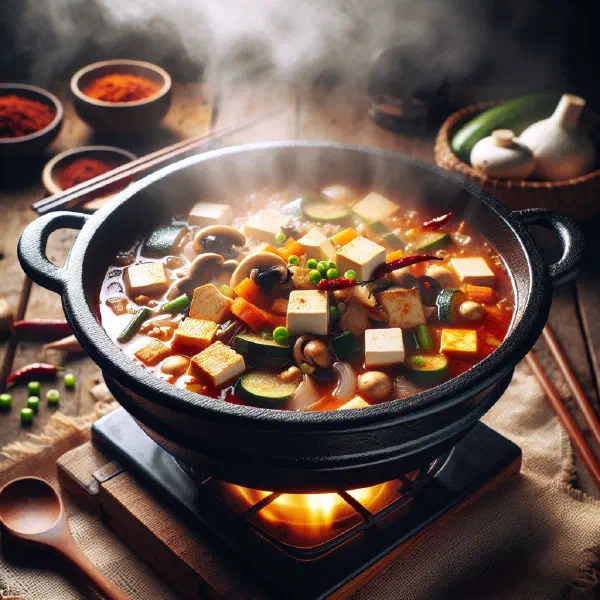
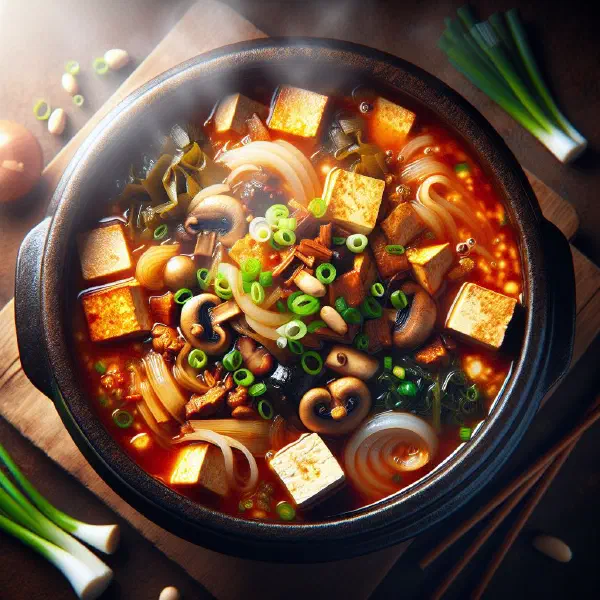
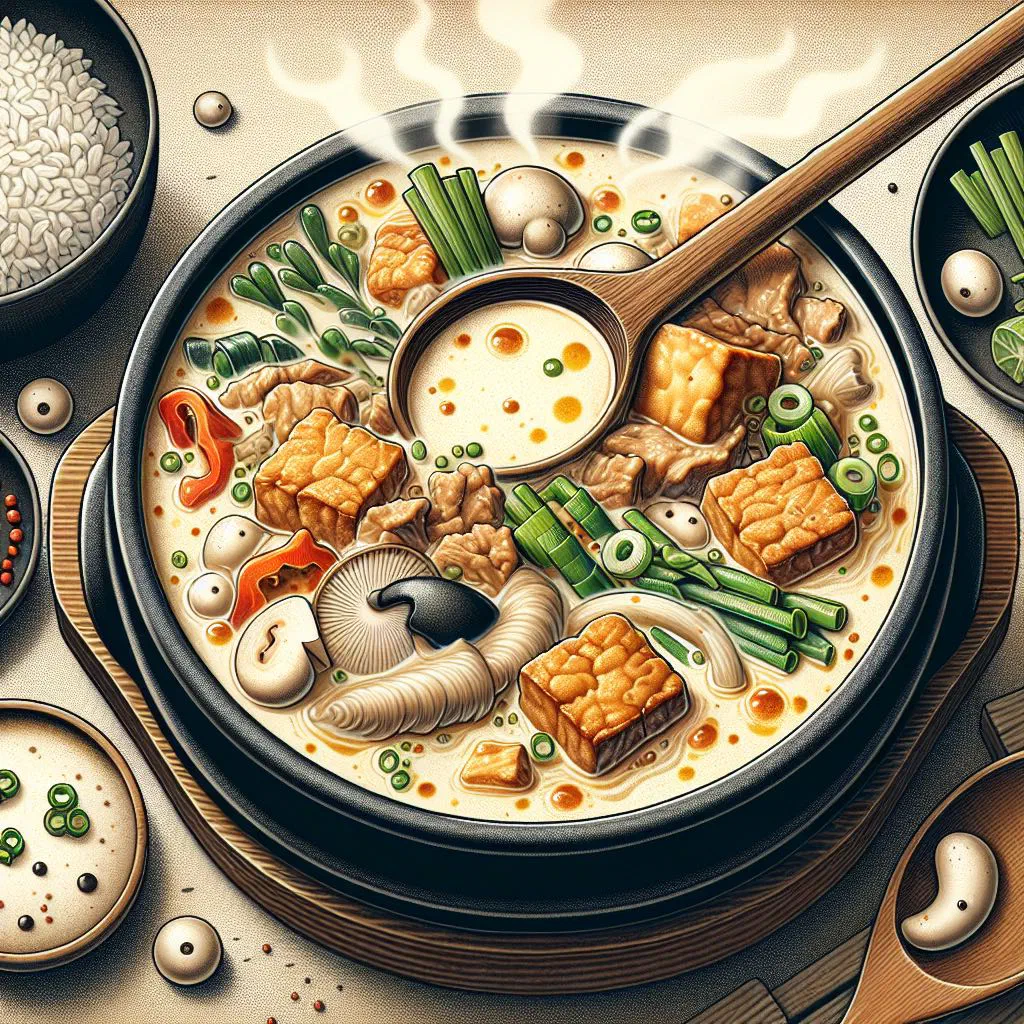
Warm up with Kongbiji Jjigae, a comforting Korean stew built around freshly ground soybeans. This hearty bowl brings together silky tofu, seasonal vegetables and a gentle warmth from Korean chilli flakes. Velvety, nourishing and packed with plant protein, it is the kind of homely dish Koreans turn to on cold days. Bring a little of Korea’s everyday kitchen into your own home with this soothing, soulful stew.
About Kongbiji Jjigae
Kongbiji Jjigae is a traditional Korean stew that is especially popular through the colder months. Its base is a creamy broth made from soaked, finely ground soybeans. Not ready-made soy milk or dry soy flour, but freshly processed beans. Combined with tofu and seasonal vegetables, the result is a hearty, nourishing stew that Koreans treasure as genuine comfort food. Rich in plant protein, it is a fine symbol of the simple yet refined home cooking that defines so much of Korean cuisine.
Ingredients (serves 1–2)
- 100 g dried soybeans (soaked overnight)
- 400–500 ml water
- 150 g firm tofu
- 1 small onion
- 1 carrot
- 2 spring onions
- 1–2 tablespoons gochugaru (Korean chilli powder)
- 1 tablespoon soy sauce
- 1 teaspoon sesame oil
- Salt to taste
Shopping for the ingredients
Dried soybeans are available in any Asian grocery or well-stocked supermarket, so look for beans that are whole and undamaged. The tofu should be firm and plain. Gochugaru, the Korean chilli powder, is easy to find in the Asian aisle or online and gives the dish its characteristic mild heat and warm colour. Everything else is standard store-cupboard fare, which makes this a wonderfully accessible introduction to Korean cuisine.
Preparing the dish
Preparing Kongbiji Jjigae starts the night before, when the dried soybeans go into plenty of cold water to soak for at least 8–12 hours. The next day, drain them and rinse with fresh water. Cut the vegetables and the tofu into bite-sized pieces so they are ready the moment you start cooking.
Step-by-step instructions
- Put the soaked soybeans into a blender or high-powered stick blender with 400–500 ml of fresh water and purée until smooth, so the mixture resembles a thick soy milk.
- Strain the puréed mixture through a fine sieve or a clean kitchen cloth into a pan (the solid pulp can be kept in or saved for other dishes).
- Bring the soybean broth to the boil, then reduce the heat and simmer gently for 8–10 minutes, stirring often so nothing catches on the base.
- Add the onion, carrot, tofu and gochugaru, then continue to simmer gently for a further 10–12 minutes until the vegetables are tender.
- Season with soy sauce, sesame oil and a little salt. Finally, slice the spring onions into rings and stir them through.
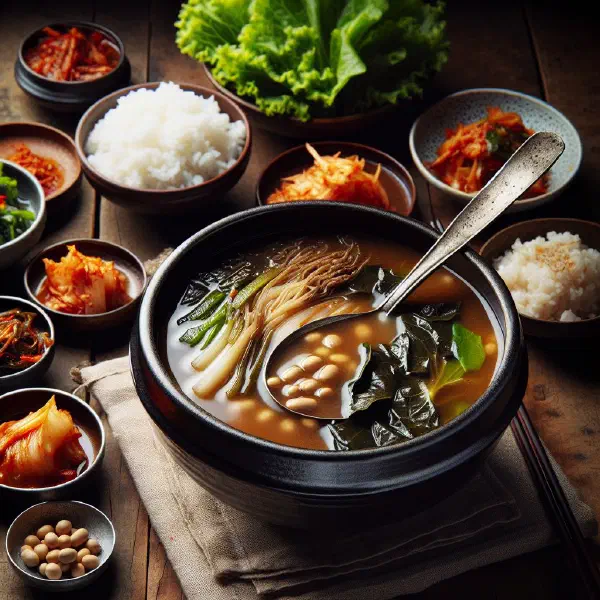
- Serve piping hot — ideally with rice and kimchi.
Gluten-free / lactose-free version
Kongbiji Jjigae is naturally gluten-free and lactose-free. The only thing to watch is the soy sauce. Simply choose a gluten-free version such as tamari. Every other ingredient is already free from gluten and dairy, which makes this stew a reassuring choice for anyone with intolerances.
Tips for vegans and vegetarians
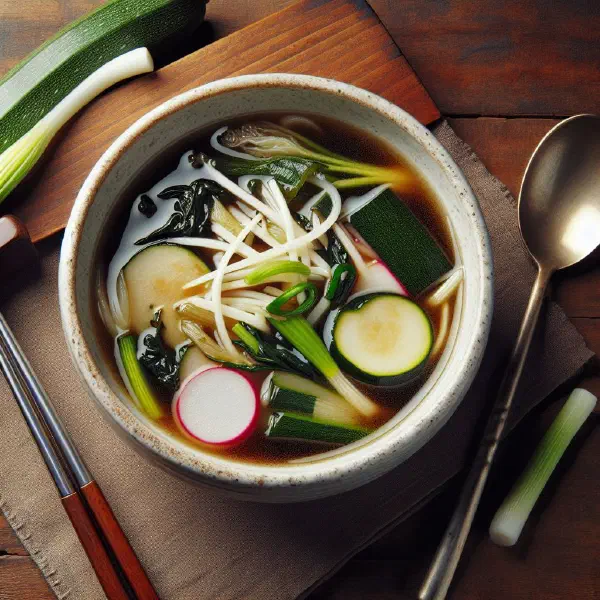
This dish is entirely vegan, with the soybeans and tofu providing an excellent source of plant protein. For even more vegetables, you can add spinach, courgette or mushrooms. If you like things a touch livelier, stir a little finely chopped garlic or ginger into the broth for extra depth.
More tips and tricks
Be sure to strain the puréed soybean mixture through a sieve. This is what gives the stew its signature velvety texture. Don’t let the broth boil too hard, or it may split. Add the fresh spring onions right at the end so they keep their crispness. Like many a good stew, Kongbiji Jjigae often tastes even better the next day.
Adapting the recipe to your taste
If you like more heat, increase the gochugaru or add a few fresh chilli rings. For a milder bowl, simply hold back on the chilli powder. Extra vegetables such as mushrooms, spinach or courgette make the stew more filling and add welcome colour, so you can shape it exactly to your liking.
Ingredient substitutions
No dried soybeans to hand? Some Asian grocers sell ready-made kongbiji paste, which you can simply dilute with water. In place of firm tofu, silken tofu works beautifully for an even creamier texture, much like the soft tofu that gives Sundubu-style stews their silky character. Swaps like these let you adapt the recipe to whatever you can find.
Drink pairing ideas
A cup of cool Korean barley tea (boricha) or a light green tea pairs wonderfully with this stew. If you prefer something heartier, reach for a chilled Korean beer. For an alcohol-free option, a fresh apple or pear juice is a lovely match.
Serving and presentation ideas
Serve the stew in a traditional Korean earthenware bowl (ttukbaegi), which holds the heat especially well. A scattering of freshly sliced spring onions and a small drizzle of sesame oil on top turn it into a highlight both to look at and to taste. A bowl of steamed rice and a side of kimchi complete the spread.
A bit of history
Kongbiji Jjigae is a classic of Korean home cooking born from the clever use of every part of the soybean. The solid mass left over from making soy milk, kongbiji, was never thrown away but turned into a nourishing stew instead. Today it remains a fixture of everyday Korean cuisine, standing for both sustainability and great flavour.
More recipe ideas
Summary: Kongbiji Jjigae
Kongbiji Jjigae is a warming, creamy soybean stew that owes its signature velvety texture to soaked and freshly ground soybeans. Easy to make, rich in protein and full of gentle Korean flavours, it is a true comfort food for cold days. Give it a try and enjoy a piece of authentic Korean cooking in your own kitchen.