National Dish South Korea: Kongnamul Gukbap (Recipe)
In this article
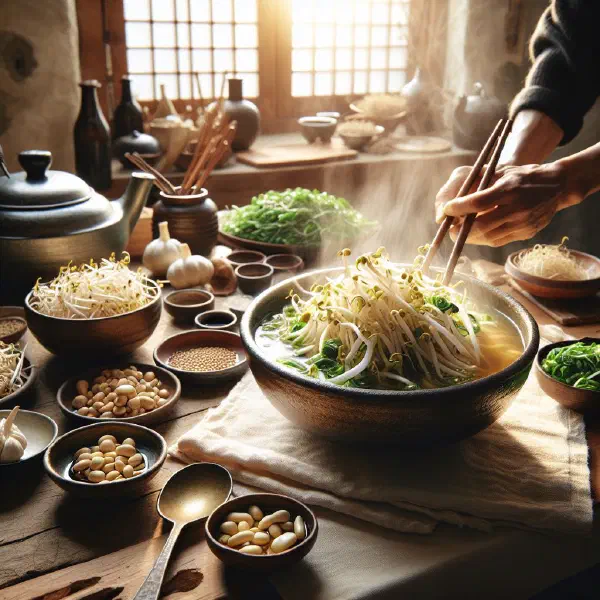
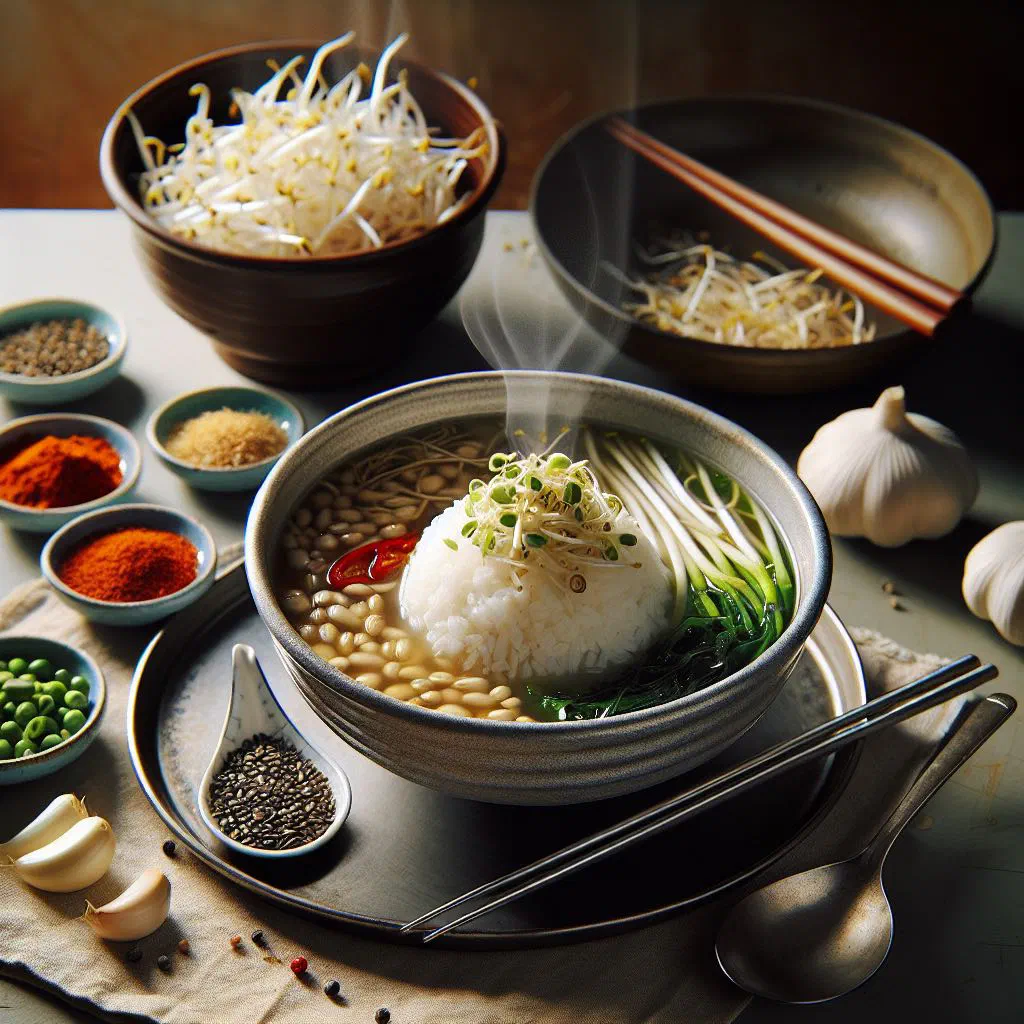
Warm up with Kongnamul Gukbap, a soothing Korean rice soup that brings together tender soybean sprouts and comforting rice in a clear, savoury broth. Light yet deeply nourishing, it is the kind of bowl Koreans reach for on a cold day or after a long one. With just a handful of everyday ingredients and a quick simmer, you can bring a taste of homely Korean cooking straight to your own table.
About Kongnamul Gukbap
Kongnamul Gukbap captures the very essence of Korean home cooking, pairing hearty rice with nourishing soybean sprouts in a single comforting bowl. It is especially popular in the colder months, when its gentle warmth feels both restorative and calming. Beyond its balanced flavour, the dish offers a wealth of nutrients that help fortify the body, and its straightforward preparation makes it an ideal choice for anyone after a quick, wholesome meal.
Ingredients (serves 1–2)
- 200 g cooked rice
- 150 g soybean sprouts
- 1 litre water or stock
- 2 tablespoons soy sauce
- 1 teaspoon sesame oil
- 1 clove garlic, chopped
- Fresh chives or spring onions, to garnish
- Pepper, to taste
Shopping for the ingredients
When shopping for kongnamul gukbap, it is worth choosing fresh, good-quality ingredients. Visit an Asian grocery to track down the best soybean sprouts and rice. Make sure the sprouts look crisp and fresh, as this has a real impact on the quality of the finished soup. The stock can vary too, so it is wise to pick a good one to get the most flavour from the dish.
Preparing the dish
Before you start cooking Kongnamul Gukbap, a little groundwork makes all the difference. Cook the rice ahead of time if it is not already prepared, and let it cool. Meanwhile, rinse the soybean sprouts and drain them well. These small preparations help speed up the cooking process and allow the flavours to shine through more clearly.
Step-by-step instructions
- Bring the water or stock to the boil in a large pot.
- Add the chopped garlic and let it come briefly back to the boil.
- Add the soybean sprouts and simmer for 5–7 minutes, until tender.
- Stir in the cooked rice and the soy sauce.
- Finish with pepper and sesame oil, then leave to infuse for a few minutes.
- Ladle the soup into bowls and garnish with fresh chives.
Gluten-free / lactose-free version
For a gluten-free version of Kongnamul Gukbap, swap the soy sauce for gluten-free tamari. Make sure all the other ingredients, including the stock, are gluten-free too. For anyone lactose intolerant, this dish is naturally lactose-free anyway, which makes it a wonderful option for many people. Always check the labels on your ingredients to be sure they meet your dietary needs.
Tips for vegans and vegetarians
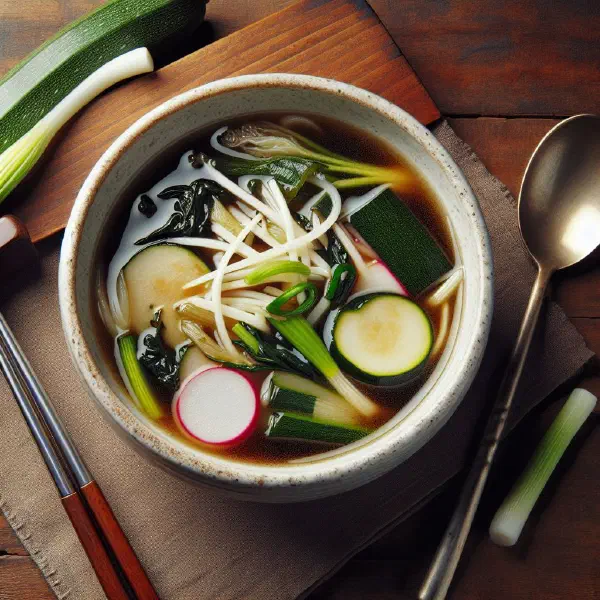
Kongnamul gukbap is naturally a vegan dish, though some stocks contain animal products. Use a vegetable stock instead to keep it fully plant-based. Take care to check the soy sauce as well, since some brands are not vegan. The texture and flavour stay every bit as rich and satisfying, even without any animal products. The same gentle, broth-forward approach shines in Kongnamul Guk.
More tips and tricks
To round out the flavour of Kongnamul Gukbap, you can add a few extra seasonings or a touch of heat, such as chilli powder. Experiment with different herbs or even a little ginger to discover new aromas. Combining it with other vegetables can boost the variety of nutrients and add interest too. Keep an eye on the cooking times to make sure every ingredient reaches its perfect doneness.
Adapting the recipe to your taste
Everyone has their own preferences, and that is just as true of Kongnamul Gukbap. Feel free to adjust the proportion of soybean sprouts to rice depending on what you enjoy most. The amount of stock can be tweaked to taste as well, less or more liquid changes the overall feel of the dish. Adding mushrooms or other vegetables can enrich the soup even further, much as the savoury depth of Kongnamul Muchim plays on the same sprout.
Ingredient substitutions
If you do not have certain ingredients to hand, alternatives are no trouble at all. Rice can be replaced with quinoa or millet to bring in extra nutrients. Instead of soybean sprouts, you could use other sprouts such as mung bean, though the flavour will shift slightly. Try different versions to find the one you like best.
Drink pairing ideas
A range of drinks pairs nicely with Kongnamul Gukbap and complements its flavour. A gentle green tea is an excellent choice, as it does not mask the aromas and has a calming effect. Alternatively, a light rice wine or a fresh fruit juice works well too. Drinks with citrus notes can round off the flavours of the dish beautifully.
Serving and presentation ideas
Presentation can lift the whole Kongnamul Gukbap experience. Serve the soup in attractive, deep bowls and garnish with fresh chives or spring onions for a splash of colour. A few drops of good-quality sesame oil can act as both a garnish and an extra hit of aroma. Take care to set an inviting table too, to create a cosy, welcoming atmosphere.
A bit of history
Kongnamul Gukbap has its roots in traditional Korean cooking and is often regarded as homely, everyday fare. It was originally devised as a simple meal for farm labourers who needed something nourishing and filling after a long day’s work. The dish has grown in popularity over the years and is now an indispensable part of Korean food culture. Historically it reflects the philosophy of Korean cuisine, which prizes fresh, seasonal ingredients and broths that develop full, rounded flavours.
More recipe ideas
Summary: Kongnamul Gukbap
In short, Kongnamul Gukbap is a simple yet delicious dish loved by young and old alike. Its nourishing nature makes it an ideal choice for any occasion. Whether as a quick lunch or a warming dinner on a chilly day, this dish offers a wonderful insight into Korean cuisine. Let its flavours inspire you and enjoy this traditional soup.