National Dish South Korea: Maeuntang (Recipe)
In this article
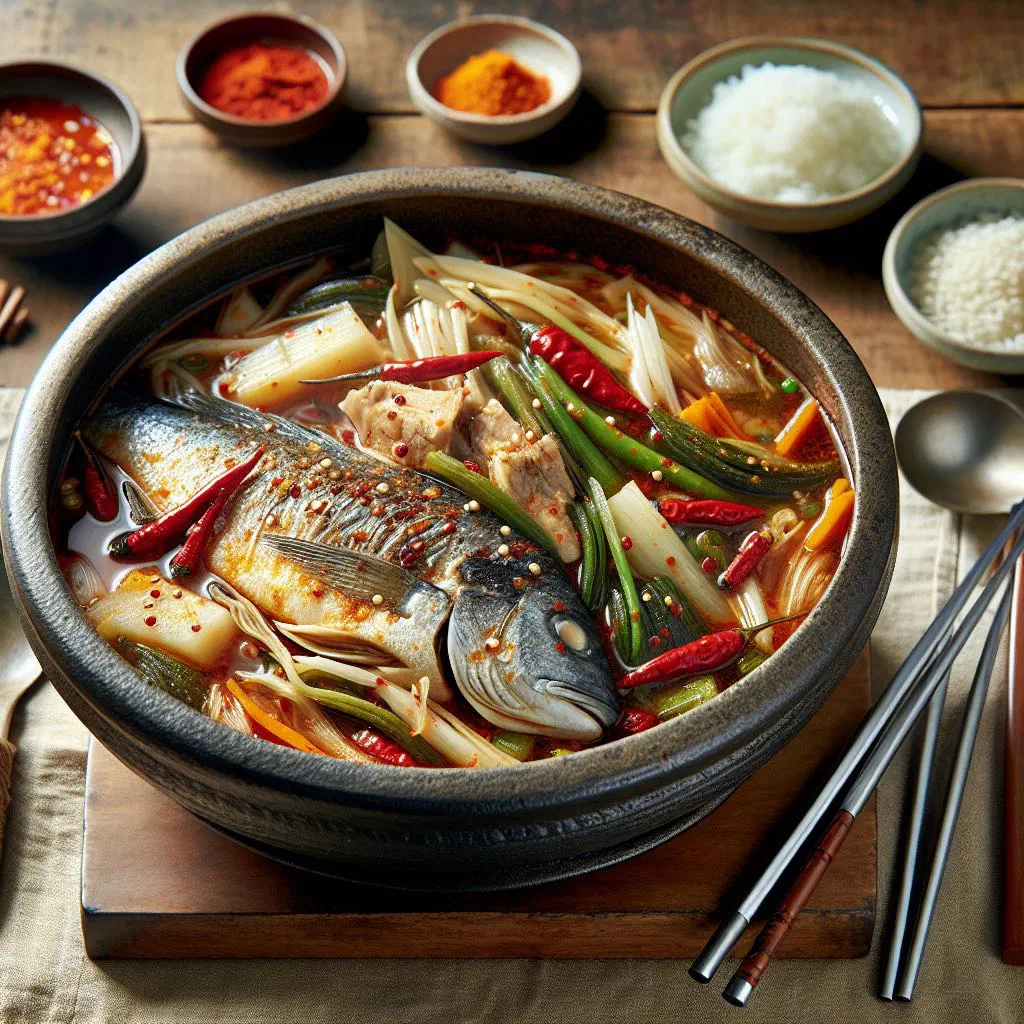
Say hello to Maeuntang, South Korea’s beloved spicy fish stew that captures the taste of the sea in a single fiery bowl. Built around fresh fish and tender seafood, simmered with vegetables and a deeply aromatic broth, it delivers both a rush of bold flavour and a wealth of wholesome goodness. This Korean classic is guaranteed to win the table over.
About Maeuntang
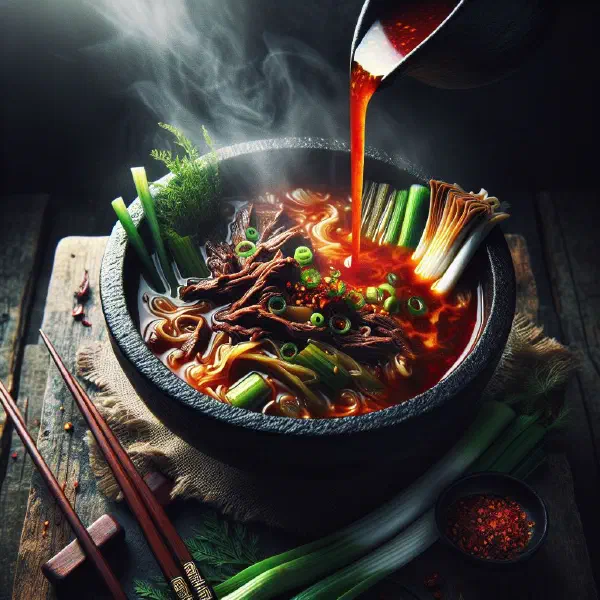
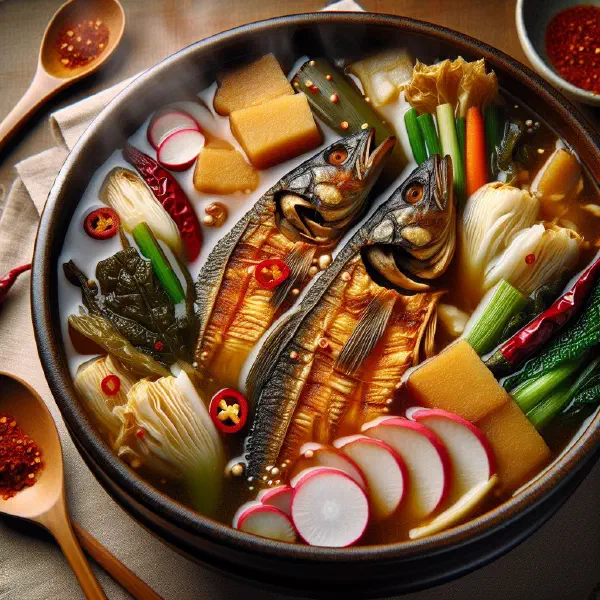
Maeuntang is a wonderfully hot and savoury Korean fish stew that brings the flavours of the sea together in one comforting pot. It is built from fresh fish and seafood, gently simmered with vegetables, spices and a fragrant broth. Beyond being a real treat for the palate, the dish offers plenty of nutritional benefits thanks to its fresh, wholesome ingredients. Served at festive gatherings or enjoyed quietly at home, Maeuntang is always a firm favourite.
Ingredients (serves 1–2)
- 300 g fresh fish (such as cod or mackerel)
- 200 g seafood (such as prawns or mussels)
- 1 medium onion, diced
- 1–2 cloves of garlic, chopped
- 1–2 green chillies, sliced into rings
- 2–3 cups vegetable stock
- 1 tablespoon gochugaru (Korean chilli powder)
- 1 tablespoon soy sauce
- 1 tablespoon sesame oil
- Fresh coriander, to garnish
Shopping for the ingredients
To make an authentic Maeuntang, choose the freshest, best-quality ingredients you can find. Local fish markets or a well-stocked supermarket are the ideal sources for the fish and seafood. Look for fresh fish with a mild aroma and a firm texture. The remaining ingredients, such as the vegetables and spices, can be found in Asian grocery shops or in the international aisle of your local supermarket.
Preparing the dish
To bring out the full flavour of Maeuntang, a little groundwork goes a long way. Start by rinsing the fish thoroughly and cutting it into bite-sized pieces. The seafood should also be washed well. Chop the vegetables ready for the stew, the onion and garlic into small pieces, while the chillies are sliced into rings. Doing all this in advance makes the cooking far quicker and smoother later on.
Step-by-step instructions
- Heat the sesame oil in a large pot and add the onion and garlic. Sauté until fragrant.
- Stir in the green chillies and the gochugaru to create a spicy base.
- Pour in the vegetable stock and bring it to the boil.
- Add the prepared fish and seafood to the pot.
- Cook everything together until the fish is done and the seafood is tender.
- Season to taste with soy sauce and garnish with fresh coriander.
Gluten-free / lactose-free version
To make Maeuntang gluten-free, simply use a gluten-free soy sauce. It is widely available in most supermarkets and grocery shops and stands in for the traditional version with no loss of flavour. Making it lactose-free poses no challenge at all, as the recipe contains no dairy products to begin with. That keeps the dish suitable and thoroughly enjoyable for anyone with particular dietary needs.
Tips for vegans and vegetarians
For a vegan or vegetarian take on Maeuntang, swap the fish and seafood for tofu or a selection of seasonal vegetables. Smoked tofu makes an excellent alternative thanks to its bold, savoury flavour. You can also enrich the vegetable stock with seaweed or other plant-based ingredients to build more umami. These tweaks mean even those who avoid animal products can enjoy a delicious bowl of stew, much like a hearty bowl of Kongnamul Guk.
More tips and tricks
To make Maeuntang even tastier, experiment by adding spices such as ginger or a touch of dashi. These ingredients lend the dish extra depth and complexity. The choice of fish, too, monkfish or plaice, for example, can change the flavour considerably. Playing with the ingredients turns the cooking into a creative process that everyone can make their own.
Adapting the recipe to your taste
The flexibility of Maeuntang lets you tailor the recipe to your own taste or to your guests’ preferences. You can vary the heat by adjusting the amount of gochugaru, or round out the broth with a pinch of sugar for a slightly sweeter finish. The choice of vegetables can follow the seasons too, making the most of fresh, seasonal produce. That brings not only great flavour but a more sustainable approach to your cooking.
Ingredient substitutions
If you do not have certain ingredients to hand, there are plenty of alternatives to fall back on. In place of cod, any other mild fish will do nicely. For the seafood, frozen products are a perfectly acceptable choice, and even vegetables such as courgette or broccoli can be added for extra texture and nutrients. Be creative and work with whatever you have available to put together a delicious variation, the same spirit you would bring to a comforting Gamjatang.
Drink pairing ideas
Plenty of drinks pair beautifully with a hearty Maeuntang, complementing its hot, spicy flavours. A lightly chilled Asian beer such as a lager or a pale ale offers a wonderful counterbalance to the heat of the stew. Alternatively, you might consider Korean rice wine, sake or a fresh green tea, each bringing its own nuance of flavour. The right drink rounds off the meal and turns it into a special occasion.
Serving and presentation ideas
An appealing presentation can lift the whole Maeuntang experience. Serve the stew in a handsome, traditional Korean bowl and garnish it with fresh coriander or spring onions. A colourful selection of vegetables adds to the visual appeal too. Just before serving, scatter over a little sesame, which brings both flavour and texture to the dish.
A bit of history
Maeuntang has deep roots in Korean cooking and is traditionally enjoyed as a meal to share with family and friends. The dish originally hails from Korea’s coastal regions, where the fresh catch of the day formed the centrepiece of every meal. Over the years it has taken on many regional variations, yet the basic recipe remains a tribute to the freshness and spice of the sea. This heritage adds to the dish’s character and to its place in Korean dining culture, alongside other treasured staples of South Korean cuisine.
More recipe ideas
Summary: Maeuntang
In short, Maeuntang is not only an easy dish to cook but one that offers an authentic taste of Korean cuisine. The combination of fresh fish, crisp vegetables and a spicy broth makes it the perfect dish for sociable evenings or special occasions. Personal tweaks let everyone discover and enjoy the full range of flavours to suit their own palate. Give it a go and bring a little piece of Korea into your own kitchen.