National Dish South Korea: Makgeolli (Recipe)
In this article
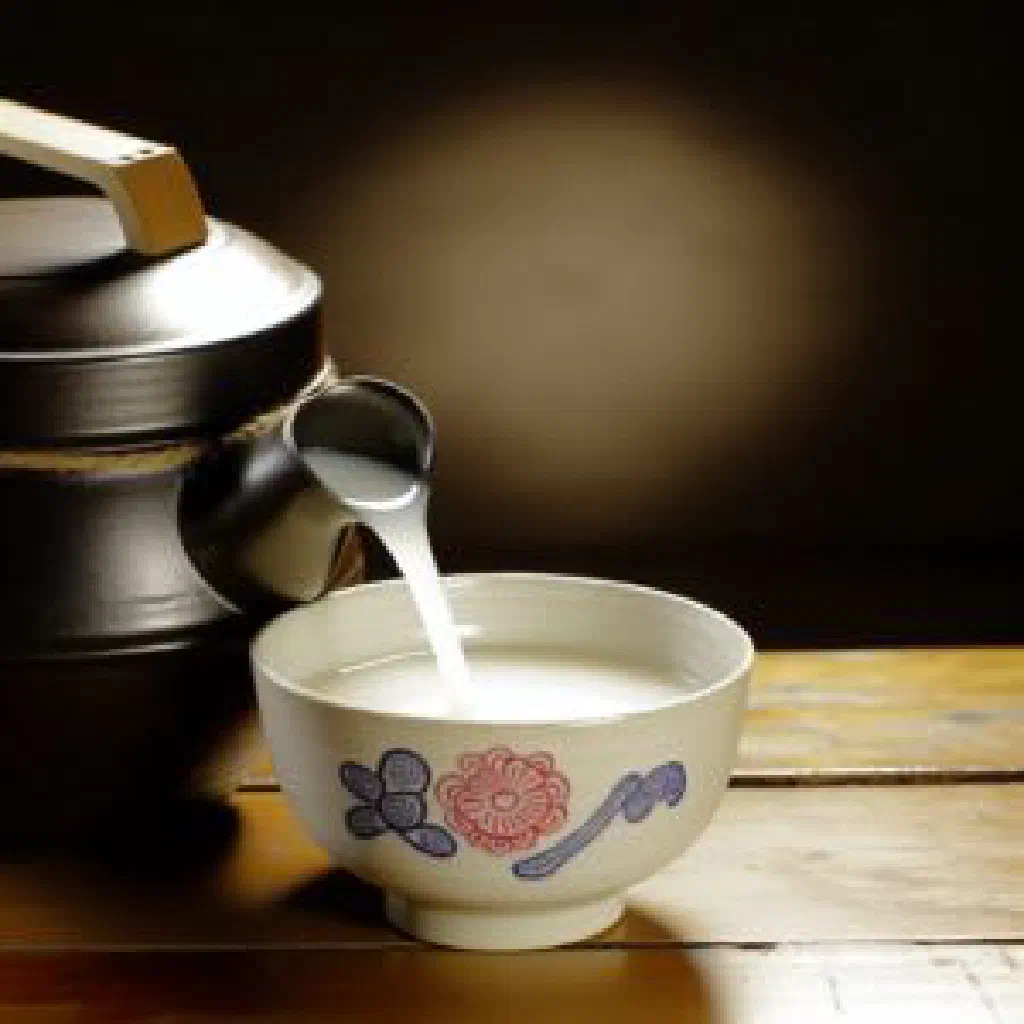
Meet Makgeolli, the milky, gently fizzing rice wine that has been at the heart of Korean gatherings for centuries. With its soft, creamy body and a sweet-and-tangy flavour all its own, this fermented rice drink is the perfect companion to a spread of bold Korean dishes. Brewing your own at home is far simpler than you might think, and the reward is a refreshing, lightly cloudy tipple that captures the warmth of Korean hospitality in every sip.
About Makgeolli
Makgeolli is a traditional Korean rice wine made from fermented rice, with a history that stretches all the way back to the Goryeo dynasty. This milky, lightly sparkling drink owes its appeal to a unique combination of flavours and a wonderfully creamy texture that make it a favourite alongside countless Korean dishes. More than just a refreshment, it is a meaningful part of Korea’s food culture, enjoyed at celebrations, shared among friends, and treasured as a living piece of culinary heritage.
Ingredients (serves 1–2)
- 2 cups sweet rice (or glutinous rice)
- 1/4 cup water
- 1/4 cup koji rice (fermented rice)
- 1/2 cup sugar
- 1/2 teaspoon salt
Shopping for the ingredients
The ingredients for makgeolli are widely available in Asian supermarkets or online. Sweet rice is the key component that gives the drink its characteristic body, while koji rice is essential for fermentation. Make sure the koji is fresh to achieve the best fermentation results. Sugar and salt are easy to come by and both play their part in developing the final flavour. If you enjoy brewing fermented drinks, you will find the same care pays off in dishes like a hearty bowl of Gamjatang.
Preparing the dish
Begin by preparing the rice: rinse it thoroughly and soak it for several hours. This helps release the starch that fermentation depends on. It is important to drain the rice well before steaming so that you achieve the ideal texture. Once the rice is cooked, let it cool to room temperature before adding the remaining ingredients, adding them while the rice is still hot can disrupt the delicate fermentation process.
Step-by-step instructions
- Rinse the sweet rice thoroughly and soak it for 4–6 hours.
- Steam the rice for around 30 minutes, until soft and sticky.
- Allow the rice to cool to room temperature.
- Mix the koji rice, sugar and salt evenly through the cooled rice.
- Pour in the water and stir everything together well.
- Transfer the mixture to a sterilised container and cover it with a cloth.
- Leave to ferment in a warm spot for 5–7 days, depending on how strong you want the flavour.
- After fermentation, strain to remove the solids.
- Serve the makgeolli chilled or at room temperature.
Gluten-free / lactose-free version
For a gluten-free version, choose dedicated gluten-free rice varieties along with koji made on a gluten-free base. Take care to select ingredients free from any gluten-containing contamination. As for lactose, makgeolli is naturally lactose-free anyway, since the main ingredients are simply rice and water. That makes it a brilliant option for anyone who is lactose intolerant and still wants to enjoy a traditional treat.
Tips for vegans and vegetarians
Makgeolli is naturally vegan and vegetarian, as it contains only plant-based ingredients. Even so, double-check that no animal products sneak in during production, particularly when choosing your koji rice. You can adjust the sugar content to taste to make the drink a little lighter if you prefer. For an interesting twist, try adding fruit or herbs during fermentation to create your own signature flavour.
More tips and tricks
To tailor the flavour of your makgeolli, experiment with the proportions of sugar and salt. You can also fold in other fermented or aromatic ingredients such as yuzu or ginger to discover new layers of taste. Keep a close eye on the fermentation time, as it directly affects both the strength and the sweetness of the finished drink. Taste it after a few days of fermenting to find your own perfect point.
Adapting the recipe to your taste
This recipe is easy to adapt to personal preference. Swap in different sweeteners such as honey or agave syrup to vary the sweetness. Using wholegrain rice instead of sweet rice can create an interesting, nuttier variation. Finally, you can control the degree of fermentation to achieve a stronger or milder character, much like adjusting the seasoning when you cook up a punchy plate of Ojingeo Bokkeum.
Ingredient substitutions
If you cannot get hold of koji rice, you can try a different fermenting agent such as wine yeast. Just make sure the ingredients are well balanced to create the fermentation environment you need. You can also replace the sweet rice with other rice varieties, though it is best to stick with sticky rice, since this is what gives makgeolli its distinctive character. Above all, the quality of your ingredients has a major influence on the end result.
Drink pairing ideas
Makgeolli is a superb companion to many Korean dishes. It pairs especially well with spicy, smoky food such as Korean BBQ, where its sweetness and creamy texture balance the heat of the spices. It also goes beautifully with savoury sides or pickled vegetables, and rounds off a feast that includes something like crisp Pajeon. For a modern twist, you can even use it as the base for cocktails by mixing in different juices or spirits.
Serving and presentation ideas
When it comes to serving makgeolli, a few creative touches make it memorable. Pour it into traditional Korean bowls or cups to honour its cultural roots. Decorate the table with fresh herbs or seasonal fruit to highlight its colours and aromas. Homemade makgeolli in an attractive bottle also makes a lovely gift or a special way to welcome guests to a festive occasion.
A bit of history
The story of makgeolli is woven deep into Korean culture. The drink was traditionally brewed by farmers and featured at many festive gatherings. Over the centuries it has gone through various changes, yet its essence has stayed the same. Today it is enjoying a real comeback and growing steadily in popularity. Not only in Korea but in many parts of the world. It remains a proud emblem of South Korean cuisine and the country’s long tradition of home brewing.
More recipe ideas
Summary: Makgeolli
Makgeolli is a delicious, traditional Korean drink that surprises with its flavour while offering a glimpse into Korea’s rich culture. With its simple, adaptable recipe, it is the ideal drink for any occasion. Makgeolli never goes unnoticed. Let the charm of this cultural classic sweep you up, and give brewing your own a try. You may never look at rice wine the same way again.