National Dish South Korea: Mandu (Recipe)
In this article
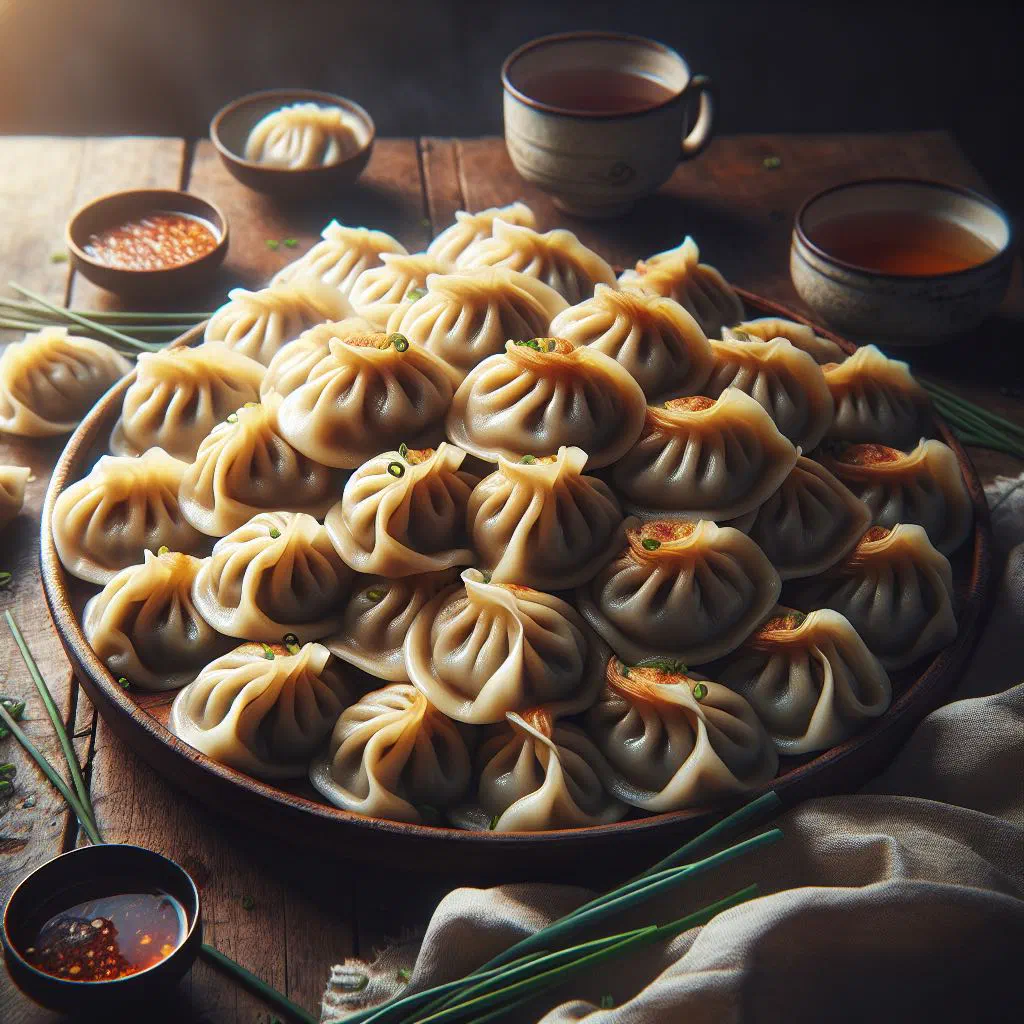
Meet Mandu, the much-loved Korean dumpling that brings a little comfort to any table. These tender parcels of dough wrap around all manner of fillings, savoury meat, crisp vegetables or silky tofu, and can be steamed, pan-fried or deep-fried to suit the occasion. Endlessly versatile and deeply satisfying, they carry the authentic flavours of Korea straight into your own kitchen, whether you serve them as a quick snack or the centrepiece of a meal.
About Mandu
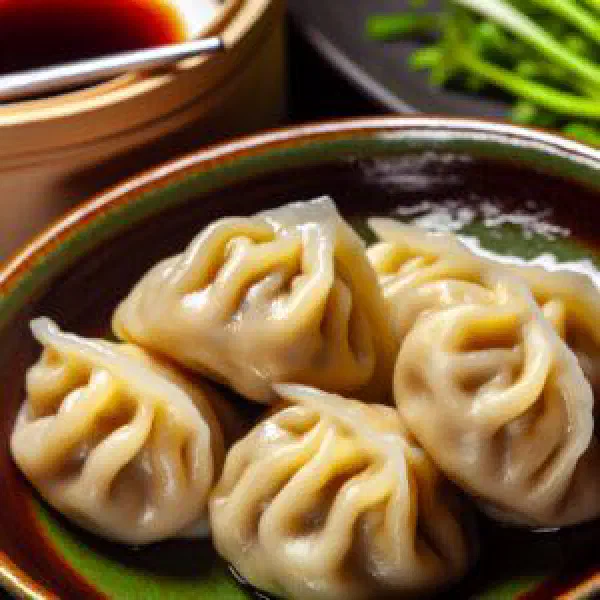
Mandu are filled dumplings that have earned their place as a much-loved national dish in South Korea. They are not only delicious but wonderfully versatile, since they can be made with a whole range of fillings. Whether stuffed with savoury meat, fresh vegetables or tender tofu, there is something to suit every palate. The cooking methods run from steaming through pan-frying to deep-frying, which makes mandu a perfect choice for all kinds of occasions.
Ingredients (serves 1–2)
- 200g plain wheat flour
- 100ml water
- 150g minced meat (pork or beef)
- 100g vegetables (such as cabbage and carrots)
- 2 spring onions
- 1 clove of garlic
- Soy sauce, to taste
- Sesame oil, to taste
Shopping for the ingredients
When shopping for mandu, it is worth paying attention to how fresh your ingredients are. Fresh vegetables give a better texture and a more intense flavour. Asian supermarkets often stock special products such as Asian dumpling wrappers, which are ideal for making mandu. Be sure to choose good-quality minced meat to lift the whole dish.
Preparing the dish
For mandu, it pays to get all your ingredients ready in advance. Start by finely chopping the vegetables and the spring onions. The garlic needs to be finely chopped or crushed too. This groundwork makes sure the filling is even and full of flavour by the time it goes into the dough wrappers.
Step-by-step instructions
- First make a dough from the wheat flour and water. Knead it well until it is smooth and supple.
- Divide the dough into small pieces and roll each one out into a thin circle.
- Prepare the filling by mixing the minced meat with the chopped vegetables, garlic, soy sauce and sesame oil.
- Place a teaspoon of the filling in the centre of each wrapper and fold it closed.
- Steam the mandu for about 15 minutes, or pan-fry them until golden brown.
Gluten-free / lactose-free version
To make mandu gluten-free, you can use rice flour or a gluten-free flour blend. Make sure all the other ingredients are gluten-free as well. For a lactose-free version, it is best to choose lactose-free fillings and plant-based alternatives for the oils and sauces to avoid any intolerance. These small adjustments make mandu a dish that suits people with special dietary needs too.
Tips for vegans and vegetarians
For a vegan version of mandu, swap the minced meat for chopped tofu or plant-based mince. Be sure to season it well and combine it with plenty of fresh vegetables. An extra layer of flavour can come from adding mushrooms, which give the filling a satisfyingly meaty texture. The result is a delicious dish that everyone can enjoy. If you love hearty tofu, you might also try Dubu Kimchi.
More tips and tricks
To make mandu easier to prepare, you can fill the dumplings ahead of time and freeze them. That way you always have a tasty snack on hand, ready to steam or fry whenever you fancy. Another idea is to cook the dumplings in water or stock to give them extra flavour, a trick that works beautifully in soups such as Tteokguk. Experiment with different dips, too, from a spicy chilli sauce to a simple soy dipping sauce, to round off your mandu.
Adapting the recipe to your taste
The recipe for mandu is wonderfully flexible and easy to tailor to your personal taste. You might use different vegetables or herbs, for instance, to create new flavour combinations. If you like things hotter, add a little chilli paste or some freshly chopped chillies to the filling. Adjustments like these keep the dish feeling fresh every time, so your interest in it lasts for a long while.
Ingredient substitutions
If there are ingredients in mandu you do not care for, or that you cannot find, alternatives are easy to come by. Instead of minced meat you can use vegetable burgers or pulses. Cooked quinoa or almost any vegetable you have to hand also works well for the filling. This keeps the spirit of the dish intact while letting you try something new, much like the playful variety found across Korean cuisine.
Drink pairing ideas
A whole range of drinks pairs nicely with mandu and complements the flavour of the dish beautifully. A classic green tea is a popular choice, light and refreshing as it is. For something a little more adventurous, you could also consider rice wine or Asian beers. A bowl of warming Kongnamul Guk on the side is another comforting touch.
Serving and presentation ideas
The presentation of your mandu can be made even more appealing by your choice of dishes and garnishes. Serve the mandu on a beautiful porcelain plate and garnish them with fresh herbs such as coriander or sesame seeds. A small dipping dish of soy sauce or a spicy sauce alongside adds a lovely visual accent. Pretty napkins or decorative bowls also help to make the meal feel more festive.
A bit of history
Mandu have a long and fascinating history that stretches back to the era of the dynasties. The dish was originally influenced by the cultural exchange between Korea and China. Over the centuries, mandu developed an identity all their own and are now an indispensable part of Korean cuisine. They feature in both modern and traditional dishes and remain an important element of festivities and celebrations.
More recipe ideas
Summary: Mandu
All in all, mandu are a delicious and versatile dish firmly rooted in Korean cooking. With their many fillings and methods of preparation, they suit every taste. Mandu offer an exciting way to experience the flavours of Korea.