National Dish South Korea: Miyeok Guk (Recipe)
In this article
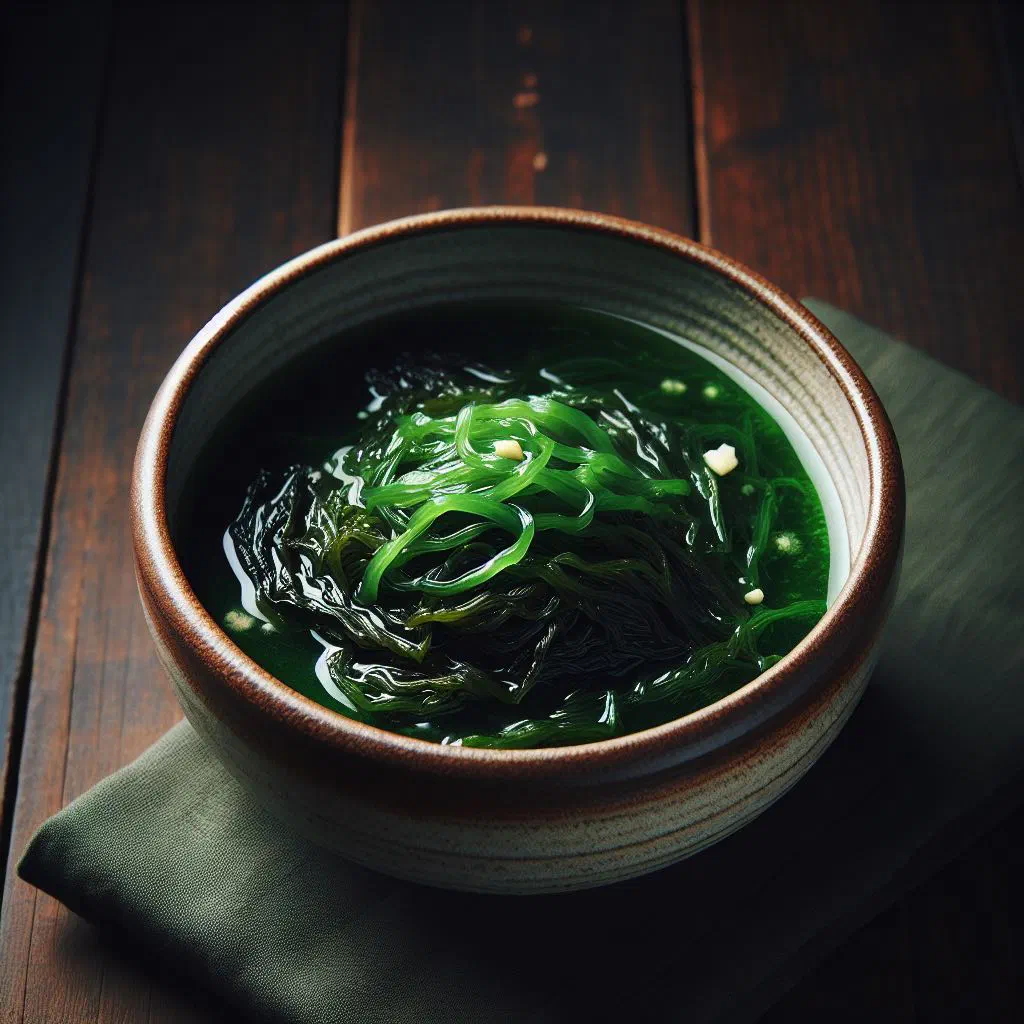
Meet Miyeok Guk, the nourishing Korean seaweed soup cherished in households across the country for its gentle flavour and its restorative qualities. Made with tender strands of dried seaweed simmered in a savoury broth, it is a comforting bowl traditionally served on birthdays and to new mothers. Light yet deeply satisfying, this soup adapts beautifully to vegetarian, vegan and gluten-free diets, making it a welcoming dish for every table.
About Miyeok Guk
Miyeok Guk is a traditional Korean soup made from dried seaweed, a humble ingredient that has long been a staple of the Korean kitchen. In many homes this delicate seaweed soup is regarded as a symbol of health and well-being, and it is often served on special occasions such as birthdays to honour the tradition. Rich in vitamins and minerals, Miyeok Guk is considered both nourishing and wholesome, with a clean, savoury taste that has made it a much-loved part of Korean cuisine.
Ingredients (serves 1–2)
- 50 g dried seaweed
- 1 litre water
- 100 g beef or tofu
- 1 tablespoon soy sauce
- 1 teaspoon sesame oil
- 2 cloves garlic, finely chopped
- Salt to taste
Shopping for the ingredients
Head to a local Asian supermarket or look online for good-quality ingredients. Make sure the dried seaweed is of a high standard, as it has a decisive effect on the flavour of the finished soup. The beef can be swapped for tofu to create a vegetarian or vegan version. If gluten matters for your diet, take care to choose a gluten-free soy sauce as well.
Preparing the dish
Before you start cooking Miyeok Guk, rinse the seaweed thoroughly and soak it in water. Leave it to swell for at least 30 minutes so the strands soften and take on the right texture. While it soaks, cut the beef or tofu into small cubes and gather all your other ingredients.
Step-by-step instructions
- Drain the seaweed and cut it into small pieces.
- Heat the sesame oil in a pot and sauté the chopped garlic until fragrant.
- Add the beef or tofu and fry briefly until it just takes on a little colour.
- Add the soaked seaweed to the pot and stir everything together well.
- Pour in the water and stir in the soy sauce, then bring to the boil.
- Reduce the heat and let the soup simmer for about 20 minutes, seasoning with salt to taste.
Gluten-free / lactose-free version
To make Miyeok Guk gluten-free, choose a gluten-free soy sauce or tamari in place of regular soy sauce. Anyone with a lactose intolerance can rest assured that this recipe contains no dairy at all. As an alternative to soy sauce, you could also use coconut aminos, which offer a similar savoury depth.
Tips for vegans and vegetarians
For a vegan version of Miyeok Guk, simply replace the beef with extra tofu or a protein-rich pulse such as chickpeas. A splash of vegan stock alongside the soy sauce helps round out the flavour. Since Miyeok Guk is so often meat-free already, almost anyone can enjoy the benefits of this nourishing soup. These tweaks keep the dish both delicious and suited to a range of dietary needs.
More tips and tricks
To deepen the flavour of Miyeok Guk, consider adding a few extra ingredients. Spring onions or red pepper, for example, bring a fresh note to the soup. You might also scatter toasted sesame seeds over the top as a garnish for a pleasant crunch. Adjusting the seasonings and aromatics lets you shape the dish to your own taste, so every spoonful is a treat.
Adapting the recipe to your taste
The Miyeok Guk recipe is wonderfully adaptable. For a spicier bowl, add chilli paste or fresh chillies while it cooks. If you prefer something milder, hold back on the heat and stir in more vegetables such as carrots or courgette. The consistency can be varied too, by adding more or less water, so you can find the perfect balance for your palate. That flexibility means there is always something new to discover each time you make it.
Ingredient substitutions
If certain ingredients are not to your taste or hard to find, there are often excellent alternatives. Instead of beef you could use chicken, or simply add extra vegetables for a vegan version much as you would in a Bossam. The seaweed can also be swapped for other types such as nori, though the flavour and nutrients will shift slightly. Experiment with different variations to find the combination that suits you and to broaden your culinary horizons.
Drink pairing ideas
A variety of drinks rounds out the experience of eating Miyeok Guk beautifully. A Korean beer or a light white wine make for a harmonious match with its flavours. Green tea is another popular choice that refreshes the palate between mouthfuls. For an alcohol-free option, consider a non-alcoholic rice drink or kombucha, both of which echo the wholesome character of the meal.
Serving and presentation ideas
Presentation can lift the whole Miyeok Guk experience. Serve the soup in traditional Korean bowls for an authentic feel. Garnish with fresh spring onions and toasted sesame seeds to enhance both the flavour and the look. A little chopped chilli adds a welcome touch of colour and visual appeal. Thoughtful presentation plays an important part in the enjoyment of every spoonful, much as it does for a colourful platter of Pajeon.
A bit of history
Miyeok Guk has a long and meaningful history in Korean culture. The soup is closely tied to the tradition of birthday celebrations, as it symbolises growth and good health, particularly for new mothers and newborns. Seaweed was historically prized for its high nutritional value and featured in the everyday meals of poorer families. Preparing and sharing this soup is a culinary act and a cultural tradition passed down from one generation to the next.
More recipe ideas
Summary: Miyeok Guk
In short, Miyeok Guk is far more than just another traditional Korean dish; it is a symbol of health and well-being that is perfect for special occasions. With its blend of nourishing ingredients and gentle, savoury flavours, this seaweed soup is a must for anyone who loves Korean food. Using the tips and adaptations set out in this article, you can recreate it quickly and easily at home while adding your own unique twist. Enjoy this delicious experience and explore the wonderfully varied world of Korean cuisine.