National Dish South Korea: Muguk (Recipe)
In this article
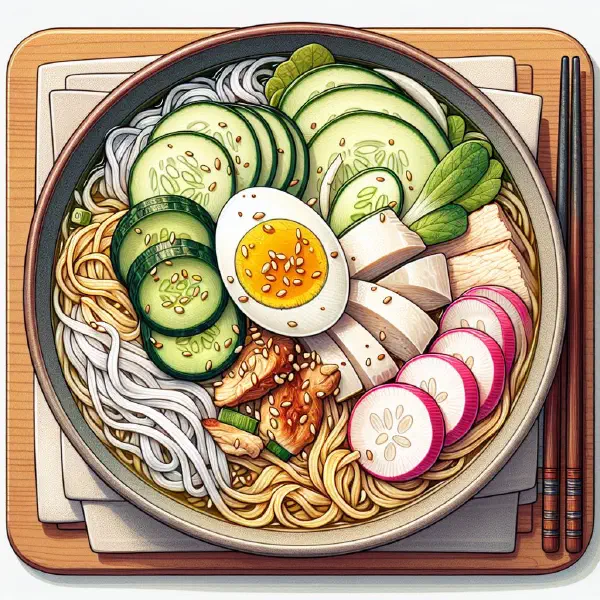
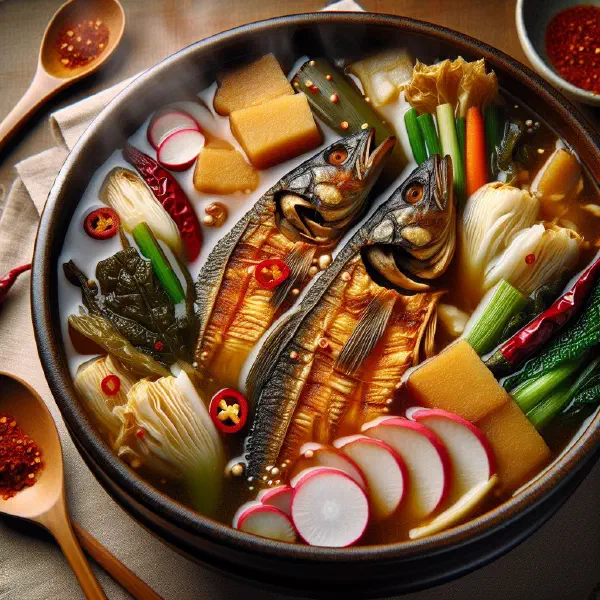
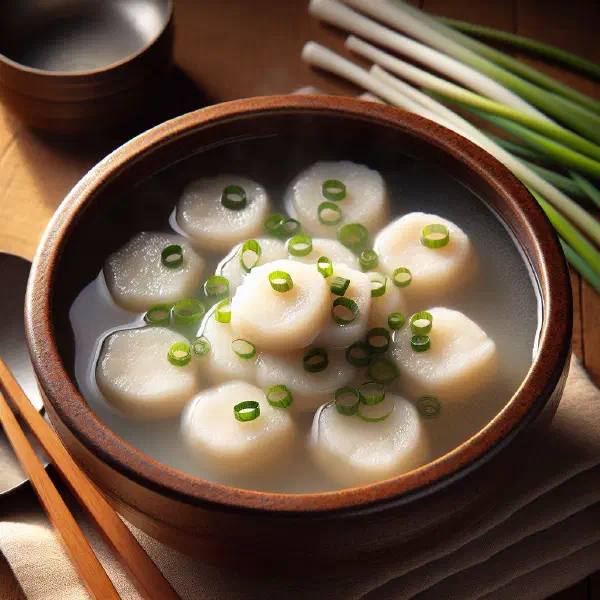
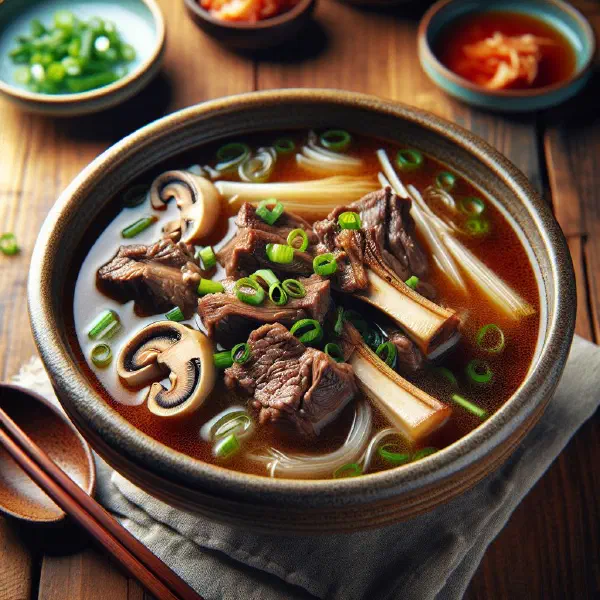
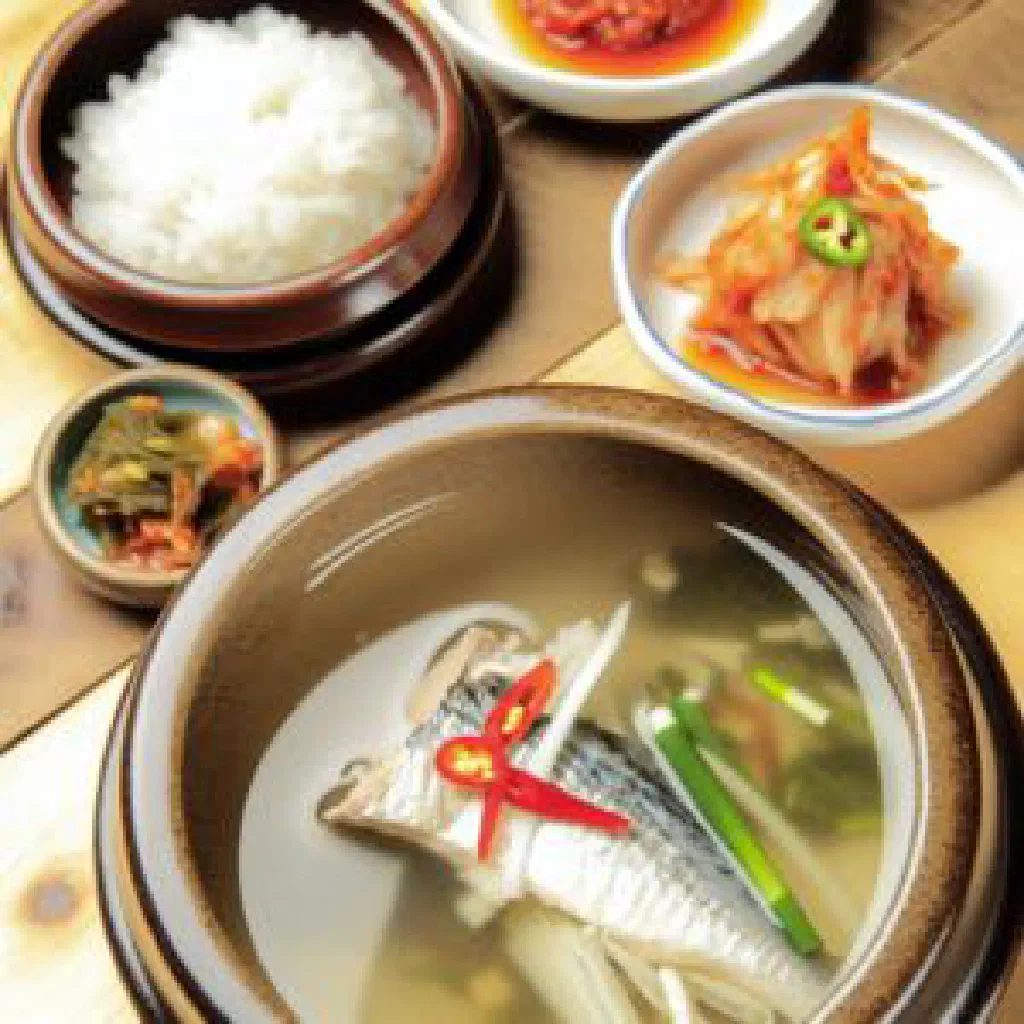
Warm yourself with Muguk, a traditional South Korean fish soup that is as nourishing as it is comforting. Built from fresh fish, fragrant ginger and a handful of crisp vegetables, this clear, savoury broth is the kind of dish that warms body and soul in equal measure. A firm favourite during the cold winter months, it is the sort of meal Korean families and friends love to gather around and share.
About Muguk
Muguk is a traditional South Korean fish soup, rich in flavour and packed with nutrients. The dish is usually built around fresh fish and a variety of vegetables, which together make it a genuinely wholesome meal. Simple ingredients come together to create a hearty broth that warms both body and soul. It is especially popular during the cold winter months, when it is shared at the table with family and friends as a comforting, restorative dish.
Ingredients (serves 1–2)
- 200g fresh fish (such as cod or trout)
- 1 litre water
- 2 thumb-sized pieces of ginger, sliced
- 2 spring onions, sliced into rings
- 1 clove garlic, chopped
- 1 tbsp soy sauce
- Salt and pepper to taste
- Optional: a handful of seaweed
Shopping for the ingredients
When shopping for muguk, the freshness of the fish matters most if you want the best flavour. Visit a local market or fishmonger that offers a good range of seafood, and look for fish with a clear shine and a fresh, clean smell. The other ingredients, especially the vegetables, should be fresh and crisp too. That crispness makes all the difference to the finished bowl.
Preparing the dish
Before you start cooking muguk, it pays to have all your ingredients prepped and ready. Clean the fish thoroughly and cut it into pieces. Wash the vegetables well and chop them into the shapes you want. It is especially important to slice the ginger neatly, as it makes such a key contribution to the aroma of the soup.
Step-by-step instructions
- Bring the water to the boil in a large pot.
- Add the cut fish and let it come briefly back to the boil.
- Add the ginger, garlic and seaweed, then reduce the heat.
- Let the soup simmer for 10–15 minutes, until the fish is cooked through.
- Add the spring onions and soy sauce, then season to taste with salt and pepper.
- Ladle the soup into bowls and serve.
Gluten-free / lactose-free version
Muguk is naturally gluten-free and lactose-free, as long as you choose a gluten-free soy sauce. For anyone with a gluten intolerance, it is worth reaching for a dedicated gluten-free soy sauce so the dish stays just as suitable as it is delicious. Take care that the other ingredients you use are gluten-free too, and everyone at the table can enjoy a bowl without a second thought.
Tips for vegans and vegetarians
Muguk is easy to adapt for vegans and vegetarians: simply swap the fish for tofu or a selection of vegetables. A vegetable broth in place of the fish stock keeps that savoury, umami depth intact, while spices such as chilli or coriander add an interesting layer of flavour. This adapted version is every bit as tasty and nourishing as the original, much like a hearty bowl of Kongnamul Guk.
More tips and tricks
To deepen the flavour of your muguk, you can add extra aromas such as a little sesame oil or chilli oil. Fresh herbs like coriander or Thai basil stirred in at the end of cooking bring a bright, fresh note. Experiment with different kinds of fish or vegetables to find your own favourite version, and a scattering of spring onions as a garnish adds a welcome lift of freshness.
Adapting the recipe to your taste
Everyone has different tastes, and that is part of the joy of muguk. It adapts so easily. For a spicier kick, add more garlic or ginger; for a milder bowl, simply hold back on them. Try different vegetables such as carrots or mushrooms to discover new flavours. In this way you can create your own personal take on this comforting dish.
Ingredient substitutions
If some ingredients are not to hand, there are usually good alternatives. In place of fresh fish you can use frozen fish fillets, and instead of seaweed you might reach for spinach to achieve a similar texture. For the soy sauce, gluten-free versions work just as well. Swaps like these keep the recipe flexible and easy to tailor, the same adaptable spirit you will find in a bowl of Eomuk Tang.
Drink pairing ideas
To round off the muguk experience, green tea makes a wonderful companion, its gentle flavour complementing the savoury soup beautifully. Alternatively, Asian beers such as Sapporo or Asahi can make the meal feel like a real occasion. For an alcohol-free option, Korean rice drink or a glass of sparkling mineral water is a lovely choice.
Serving and presentation ideas
To serve muguk in style, use an attractive bowl that shows off the colours of the dish. Garnish the soup with spring onions or fresh herbs to make it look lively and inviting. A small dish of chilli flakes or sesame can be set on the table for extra seasoning. That way the meal becomes a treat for the eyes as well as the palate.
A bit of history
Muguk has a long tradition in South Korean cooking and is often seen as part of everyday life. Comforting soups like muguk were originally developed to support health and wellbeing. They are a staple food and a symbol of hospitality in Korean homes. The many regional variations of muguk reflect the differences in local produce and the rich diversity of South Korean cuisine.
More recipe ideas
Summary: Muguk
Muguk is a delicious and nourishing fish soup that is treasured both in South Korea and well beyond its borders. Its simple preparation and use of fresh ingredients make it a perfect dish for any occasion. Muguk is sure to win you over. Let the flavours of this traditional dish inspire you, and enjoy a taste of Korean culture in your own kitchen.