National Dish South Korea: Nurungji (Recipe)
In this article
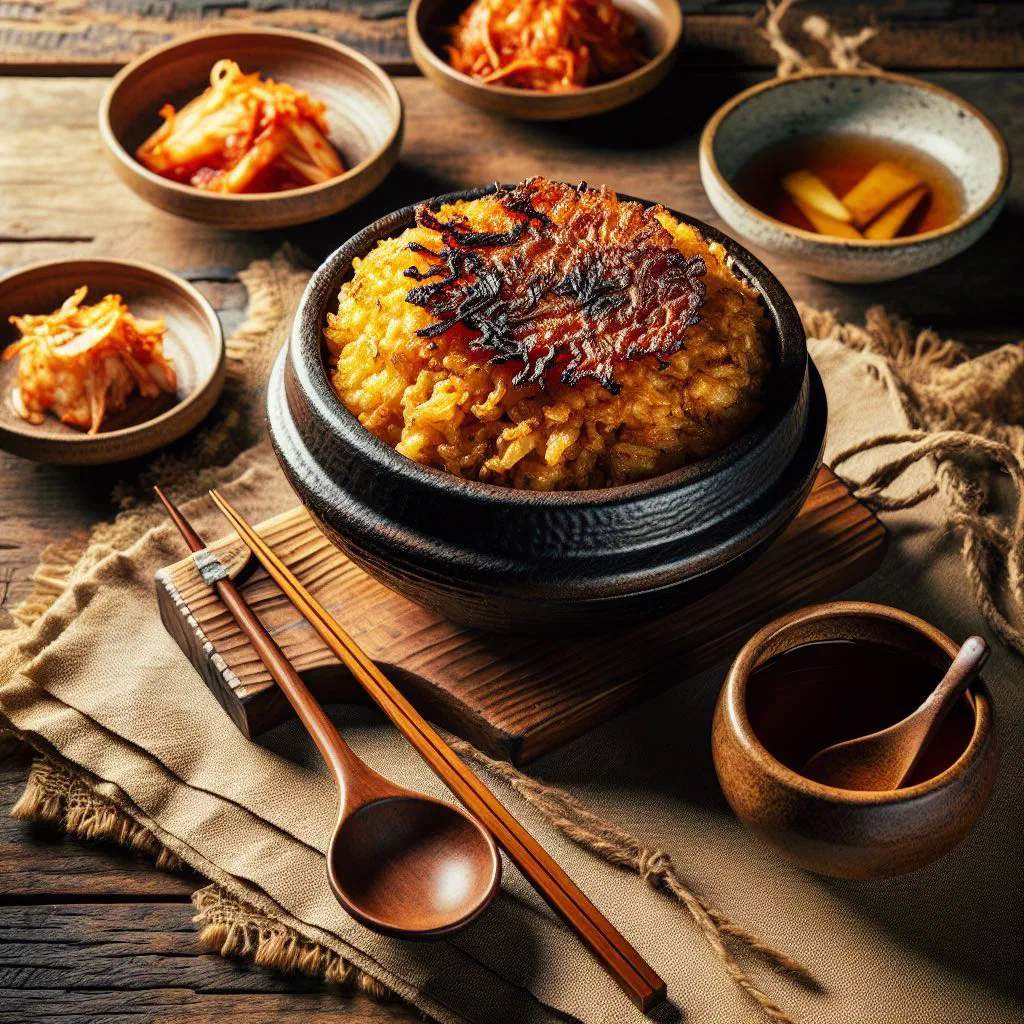
Discover Nurungji, the wonderfully crisp scorched-rice treat that sits close to the heart of the Korean kitchen. Formed from the golden layer of rice that toasts at the bottom of the pot, it carries a gentle, nutty flavour and a satisfying crunch. Simple to make and endlessly comforting, it works just as happily as a quick snack, a humble side or a light main. Bring a taste of traditional Korean home cooking straight to your own table.
About Nurungji
Nurungji is a much-loved part of Korean cuisine, prized as the crispy layer of rice that forms at the bottom of the pot when rice is cooked. Far from being a mistake, this golden, toasted crust is celebrated for its nutty taste and pleasing crunch. It carries a history and is often tied to memories of family kitchens and cooking together. Nurungji is versatile and right for almost any occasion.
Ingredients (serves 1–2)
- 1 cup short-grain rice
- 2 cups water
- 1 teaspoon salt
- 1 teaspoon oil (such as sesame oil)
Shopping for the ingredients
When shopping for nurungji, the quality of the rice really matters. A short-grain rice works best, as it develops the sticky texture you need once cooked. Supermarkets with an international aisle often stock Korean products, so you can usually track down a suitable brand without much trouble. Don’t forget the salt and the oil, which round out that perfect, savoury flavour.
Preparing the dish
Preparing nurungji is wonderfully straightforward and takes only a few steps. Begin by rinsing the rice thoroughly to wash away the excess starch. Then let the rice soak in water for around 30 minutes to improve the texture. This enhances the flavour and helps the rice cook more evenly.
Step-by-step instructions
- Bring the soaked rice and 2 cups of water to the boil in a saucepan.
- Reduce the heat and let the rice simmer for about 15–20 minutes, until almost all the water has evaporated.
- Spread the rice out evenly in the pan and fry it over medium heat for a few minutes.
- Allow the base to brown until it turns golden and crisp, then carefully turn it and toast the other side.
Gluten-free / lactose-free version
Nurungji is naturally gluten-free, provided the rice you use is free from any contamination. If you would like a lactose-free version, simply follow the traditional recipe, since no dairy is involved at all. Reach for rice oil or another plant-based oil to bring out that special flavour. Enjoy it with complete peace of mind.
Tips for vegans and vegetarians
Vegan and vegetarian versions of nurungji are very easy to put together. Use vegetable stock in place of water to add an extra layer of flavour. Pair it with seasonal vegetables or a tasty soy sauce dip. This makes the dish more flavourful and brings colourful, varied nutrients to the table.
More tips and tricks
For the best results, keep the heat steady while the rice is frying. Try not to turn it too often, so you maximise that crispy effect. If the rice does start to stick, a splash of water will loosen the texture again.
Adapting the recipe to your taste
Nurungji is easy to tailor to personal preference. You might add extra seasonings such as pepper or dried herbs to refine the aroma. For a sweet version, stir a little honey or sugar into the rice.
Ingredient substitutions
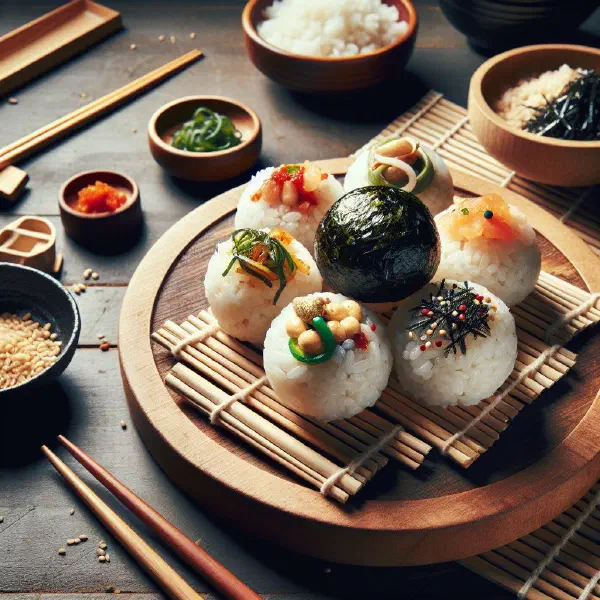
If you don’t have short-grain rice to hand, you can also use basmati rice or another variety you prefer. Just remember to adjust the cooking time to match. For the oil, coconut oil is a lovely alternative that lends a unique flavour and a creamy quality. The same playful spirit of swapping ingredients works well in a Jumeokbap rice ball. Experiment with different ingredients to find your very own signature touch.
Drink pairing ideas
A range of drinks pairs beautifully with nurungji and rounds the dish off nicely. A traditional Korean green tea is an excellent choice, offering a pleasant balance to the toasted flavours. For something more festive, you could serve fruity soy drinks, which are both refreshing and rich in nutrients. Lively alcohol-free cocktails made from fresh ingredients are another fine way to enhance the experience.
Serving and presentation ideas
The presentation of nurungji can be simple yet effective. Use colourful vegetable slices or fresh herbs to garnish the dish. Serve the crispy rice bases on an attractive plate to please the eye. Arranging everything in small bowls also creates a sociable, shareable style of eating that invites everyone to dig in.
A bit of history
Nurungji has a long tradition in Korean cooking and has been prepared for centuries. It originally came about as a kind of thrifty cooking, a clever way to make the last of the rice tasty rather than waste it. Over the years, nurungji has grown into a beloved snack and side dish that is not only delicious but stirs up plenty of memories. Its versatility has helped it keep a firm place in modern Korean cooking too, much as a comforting bowl of Tteokguk does.
More recipe ideas
Summary: Nurungji
In short, Nurungji is yet another highlight of Korean culinary culture. With its crispy texture and unmistakable flavour, it makes a wonderful addition to both traditional and modern meals. The preparation is uncomplicated, and the flexibility of the recipe lets you adapt it to different tastes and diets. Let Korean cooking inspire you and enjoy this delicious dish at your next meal.