National Dish South Korea: Ojingeo Jeot (Recipe)
In this article
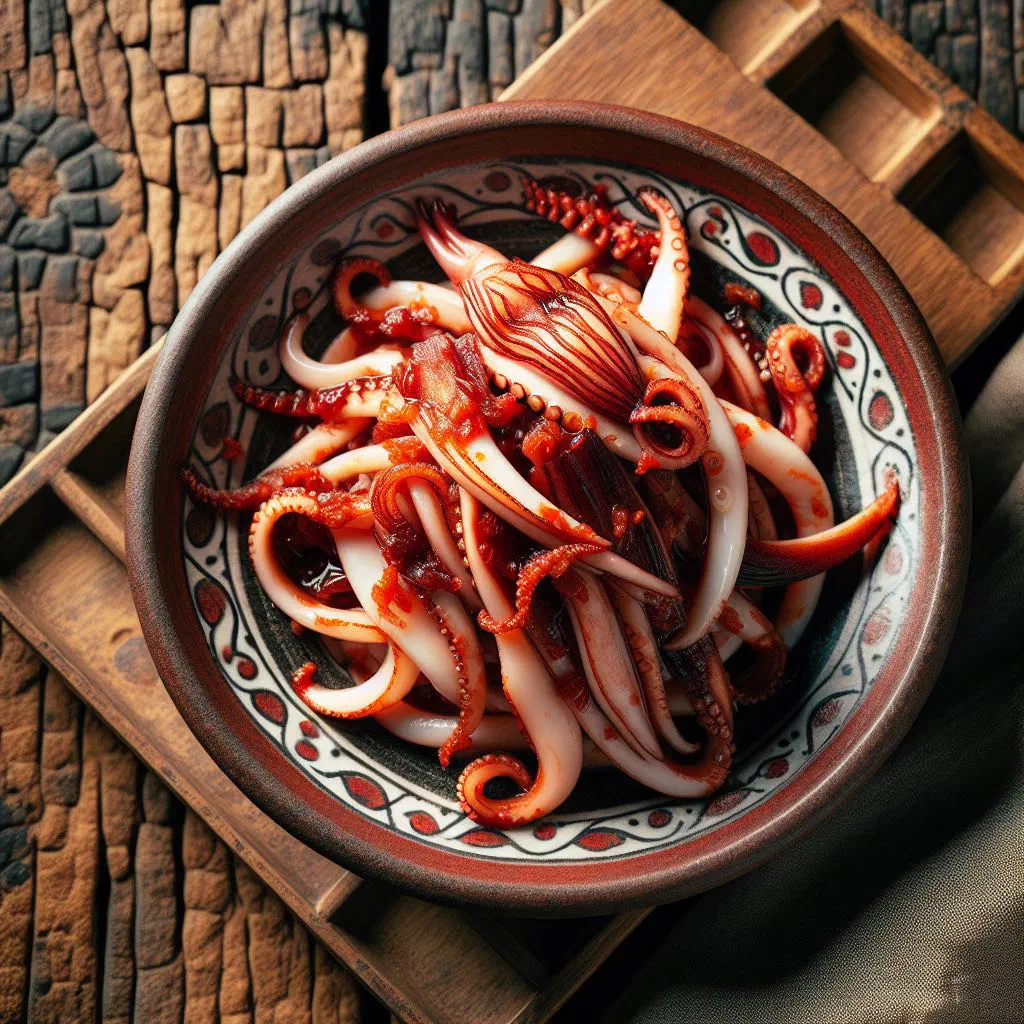
Meet Ojingeo Jeot, a boldly flavoured fermented squid side dish that sits at the heart of Korea’s coastal larder. Salted, spiced and left to mature, the squid develops a deep savoury punch that turns a simple bowl of rice into something memorable. It is the kind of intense, briny banchan that fans of fermented food adore, a tiny dish packed with the unmistakable character of the Korean table. Make a jar at home and you will always have a flavour-packed companion ready to serve.
About Ojingeo Jeot
Ojingeo Jeot is a traditional fermented squid dish that is especially treasured in South Korean cooking. Made from fresh squid, it is known for its intense flavour and aromatic seasoning. The fermentation process gives the squid an unmistakable depth of taste and makes it a wholesome source of protein. Combining seafood with a lively mix of spices, Ojingeo Jeot is perfect for anyone who wants to get to know authentic Korean food culture from the inside out.
Ingredients (serves 1–2)
- 300 g fresh squid, cleaned and cut into pieces
- 2 tablespoons sea salt
- 1 tablespoon sugar
- 2 tablespoons soy sauce
- 3 garlic cloves, chopped
- 1 teaspoon grated ginger
- 1 tablespoon sesame oil
- 1 spring onion, finely chopped
- 2–3 red chillies, sliced into rings
Shopping for the ingredients
The ingredients for Ojingeo Jeot are easy to find in most Asian supermarkets. When choosing your squid, look for pieces that are fresh, with a clear, smooth surface. Sea salt is important for the fermentation process, so it is best to avoid heavily processed salts. Extra ingredients such as soy sauce and sesame oil are also key to the dish’s distinctive taste, and they are well worth seeking out fresh.
Preparing the dish
Before you start cooking, it pays to prepare your ingredients well. Rinse the squid thoroughly under cold water and cut it into even pieces so that it ferments uniformly. The garlic should be finely chopped, and so should the ginger. Make sure everything is ready and within reach before you begin, so the whole process runs along smoothly and without fuss.
Step-by-step instructions
- In a bowl, toss the sliced squid with the sea salt. Leave the mixture to stand for 30 minutes so the squid releases its water.
- Add the sugar, soy sauce, chopped garlic, grated ginger and sesame oil, then mix everything together well.
- Stir through the remaining ingredients — the spring onion and chillies — until they are evenly distributed.
- Pack the mixture into a clean jar or an airtight container and leave the squid to ferment at room temperature for at least 2 days.
Gluten-free / lactose-free version
If you want to make a gluten-free or lactose-free version of Ojingeo Jeot, simply reach for a gluten-free soy sauce. Plenty of brands are made specifically to be free from gluten. Just check that all the other ingredients are gluten-free too, so the dish is safe for anyone with an intolerance. The recipe stays essentially the same, so you can still enjoy the full depth of flavour.
Tips for vegans and vegetarians
For vegans and vegetarians, the traditional preparation of Ojingeo Jeot poses an obvious challenge. One alternative is to use vegetables or seaweed-based products with the same marinade, mimicking the natural taste of the squid. You could also fold tofu into the mixture to echo the original texture. Play around with the spices and the marinade to create an appealing dish that still captures the flavours of Korean cooking, much as you might with a vegetable-led Kongnamul Muchim.
More tips and tricks
To deepen the flavour of Ojingeo Jeot, you can extend the fermentation time. A longer ferment develops the aroma further and lends the dish an intriguing complexity. Playing with the spices matters too. Try different chilli varieties or add other seasonings that suit your palate. Bear in mind, as well, that both the texture and the taste depend heavily on how fresh your ingredients are to begin with.
Adapting the recipe to your taste
One of the best things about Ojingeo Jeot is how readily it adapts. You can adjust the heat by using more or fewer chillies, or add other seasonings that you particularly enjoy. A pinch of black pepper or a squeeze of lime juice, for instance, can lend the dish a fresh lift. Just remember to tweak the fermentation time according to the depth of flavour you are after.
Ingredient substitutions
Sometimes a particular ingredient is not to hand, or you simply prefer an alternative. In place of soy sauce, coconut aminos make a fine swap that delivers a similar aromatic profile. If you cannot find fresh squid, seitan or another plant-based protein can step in as a substitute. Either way, you can still enjoy the dish without missing out on the world of Korean flavour, the same spirit that runs through a hearty bowl of Ojingeo Bokkeum.
Drink pairing ideas
Many different drinks pair well with Ojingeo Jeot and round out the eating experience. A refreshing Korean beer or a lightly sparkling white wine is an excellent choice to complement the flavours of the fermented seafood. Alternatively, a cup of green tea offers a soothing, flavourful accompaniment. You might also experiment with Asian-inspired cocktails to create a complete culinary experience.
Serving and presentation ideas
To serve Ojingeo Jeot attractively, spoon it into a small bowl and garnish with fresh herbs such as coriander or extra spring onion. A pretty presentation can also be achieved by adding a wedge of lemon or a few chilli slices. Using traditional tableware helps with the look too, underlining the cultural roots of the dish. Remember that a thoughtful arrangement lifts the whole meal, especially alongside other classics of South Korean cuisine.
A bit of history
The roots of Ojingeo Jeot reach deep into Korean food culture, where fermented foods play a significant role. Fermentation is a time-honoured method of preserving food and was especially important in Korea’s coastal communities. The pairing of fresh seafood with aromatic spices reflects both the culture and the availability of regional produce. Ojingeo Jeot is not merely a dish but a part of Korean identity and tradition, passed down across the generations.
More recipe ideas
Summary: Ojingeo Jeot
In short, Ojingeo Jeot is a fascinating and flavour-packed fermented squid dish from the Korean kitchen. It brings together fresh ingredients and a wealth of spices to offer an unmistakable taste experience for any food lover. It is a genuine highlight of Korean food culture and well worth a try. Dive into the wonderful world of Korean flavours and savour the culinary traditions of South Korea.