National Dish South Korea: Sannakji (Recipe)
In this article
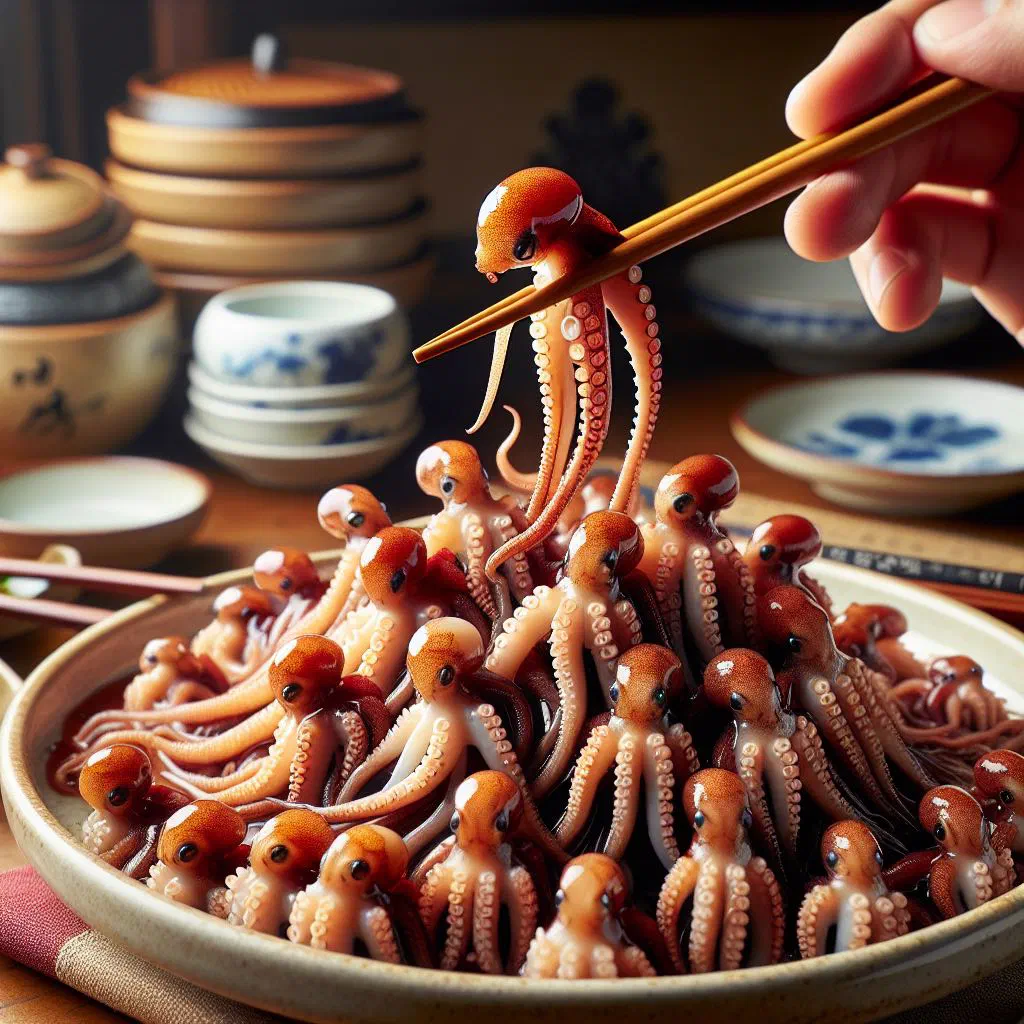
Few dishes deliver quite the thrill of Sannakji, one of South Korea’s most daring delicacies. Made from freshly prepared octopus cut into small pieces and dressed simply with fragrant sesame oil and toasted seeds, it is famous for the way its tender tentacles still seem to move on the plate. The flavour is clean, briny and unmistakably fresh, a true rite of passage for adventurous food lovers. Bring a taste of the Korean coast straight to your own table.
About Sannakji
Sannakji is a captivating dish that embodies the culinary tradition of South Korea. At its heart is freshly prepared live octopus, cut into small, bite-sized pieces and served almost immediately. The dish is dressed with high-quality sesame oil, which gives it a distinctive nutty character, and finished with a scattering of toasted seeds. The delicate tentacles still move as you eat, offering an one-of-a-kind taste and a genuine sense of adventure that sets Sannakji apart from anything else in the Korean repertoire.
Ingredients (serves 1–2)
- 2 small live octopuses (approx. 200–300 g)
- 2 tablespoons sesame oil
- 1 teaspoon toasted sesame seeds
- A pinch of salt
- Optional: fresh vegetable garnishes
Shopping for the ingredients
To prepare Sannakji, the ingredients should be as fresh and as high in quality as possible. It is best to buy the octopus from an Asian grocery or directly from a trusted fishmonger. Make sure the animals are lively and fresh, as this is essential for an authentic experience both in the preparation and at the table. Beyond the octopus, pay close attention to the quality of the sesame oil and the sesame seeds, since these have a decisive influence on the final flavour of the dish.
Preparing the dish
Preparing Sannakji takes careful, methodical steps to make sure the dish is both safe and delicious. Begin by cleaning the octopus thoroughly, which is important for avoiding any off-putting aromas. Remove the ink and the inner parts of the octopus without damaging the skin. Then rinse it well under cold running water to ensure it is spotless and ready for the final preparation. A calm, organised approach makes the whole process far easier.
Step-by-step instructions
- Clean the octopus thoroughly and cut it into small pieces.
- Toss the pieces in a bowl with sesame oil and a pinch of salt.
- Arrange the dressed pieces on a plate and scatter over the toasted sesame seeds.
- Serve the dish immediately, while the tentacles are still in motion.
Gluten-free / lactose-free version
Sannakji is naturally gluten-free and lactose-free, which makes it an excellent choice for anyone with particular dietary needs. Do take care, however, that the ingredients you use, especially the sesame oil, carry no gluten-containing traces or cross-contamination. This ensures the dish stays completely safe for those who are gluten- or lactose-intolerant. Enjoy Sannakji without a second thought and discover Korean cuisine in its purest form.
Tips for vegans and vegetarians
Although Sannakji is built around octopus, there are ways for vegans and vegetarians to recreate something of its flavour experience. One option is to use seaweed-based products or seitan to achieve a similar texture and bite. A marinade of fragrant sesame oil and toasted seeds makes a wonderful dressing for a range of plant-based ingredients. In this way, plant-based eaters can still enjoy the essence of Korean cooking, much as they would with a comforting bowl of Kongnamul Guk.
More tips and tricks
For the best results with Sannakji, a few basic pointers are worth keeping in mind. First and foremost, the freshness of the ingredients is everything. Use the freshest octopus you can find for the finest flavour. It is also important to take great care when handling sharp knives, so the preparation stays safe and straightforward. Feel free to experiment with extra seasonings and accompaniments to make your Sannakji your own.
Adapting the recipe to your taste
Sannakji can be tailored in all sorts of ways to suit different palates. If you like things hotter, add a little chilli oil to bring some warmth to the dish. You can also vary the dressing by stirring in additional herbs and spices chosen to match your personal taste. This flexibility helps turn Sannakji into a real treat for even more food lovers, whether you keep it simple or build it up.
Ingredient substitutions
Choosing suitable alternatives can be key to adapting Sannakji to your preferences or dietary needs. Instead of sesame oil, you might use a good-quality olive oil for a different flavour direction. For the garnish, options such as chopped nuts or fresh herbs can provide an interesting contrast. Substitutions like these help you create an experience that is just as satisfying and full of flavour as the traditional recipe, the same spirit of improvisation that shapes a stir-fried Ojingeo Bokkeum.
Drink pairing ideas
A range of Asian drinks pairs particularly well with Sannakji and complements its flavour beautifully. A light, chilled sake can be an intriguing choice, as it brings out the clean notes of the octopus. Alternatively, green tea or a crisp Asian-style beer both work nicely, refreshing the palate and harmonising with the dish. These combinations help round out the whole dining experience and let the seafood shine.
Serving and presentation ideas
Presentation is crucial when it comes to making the most of Sannakji’s visual impact. An attractive plate can be lifted further by arranging fresh vegetables and herbs around the octopus. A creative layout of the tentacles also makes for an eye-catching effect. The finishing touch is a drizzle of high-quality sesame oil added just before serving, which rounds off the presentation and ties the whole dish together.
A bit of history
Sannakji has its roots in Korean coastal cooking, a tradition known for its unique preparation methods and emphasis on the freshest possible ingredients. Historically, eating live seafood was widespread in Korea’s coastal regions, where ready access to fresh fish and octopus made such dishes possible. Over time, Sannakji has grown into a symbol of boldness and adventure within Korean gastronomy. It is a dish that appeals to the palate and carries stories and traditions within it, a vivid example of South Korean cuisine.
More recipe ideas
Summary: Sannakji
Sannakji is a unique and adventurous dish that wins people over with both its clean, fresh flavour and its striking presentation. It is perfectly suited to food lovers in search of an out-of-the-ordinary culinary experience. With its simple preparation steps and emphasis on fresh ingredients, Sannakji is both a genuine treat and a testament to Korean food culture. The scope for adapting and varying it makes this a dish that everyone really ought to try at least once.