National Dish South Korea: Soegogi Muguk (Recipe)
In this article
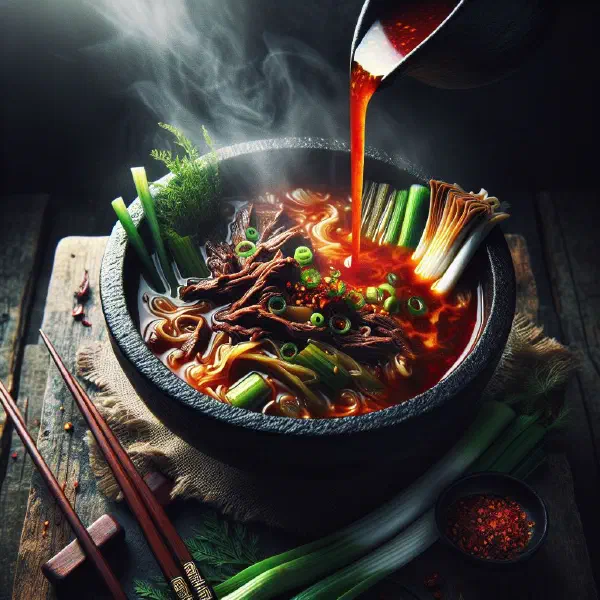
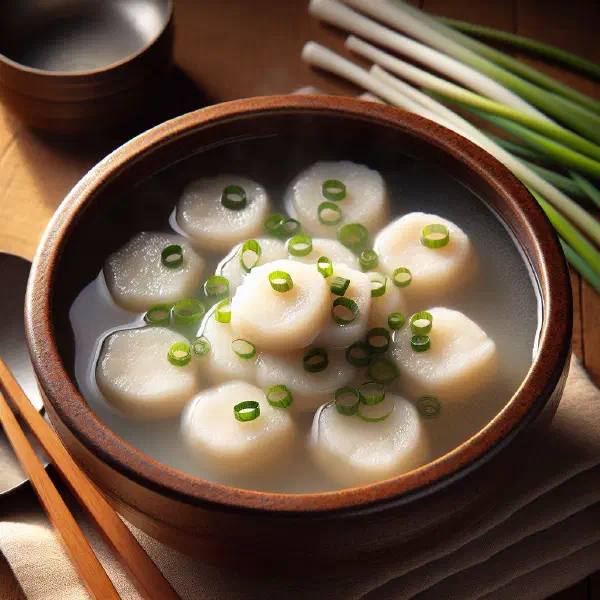
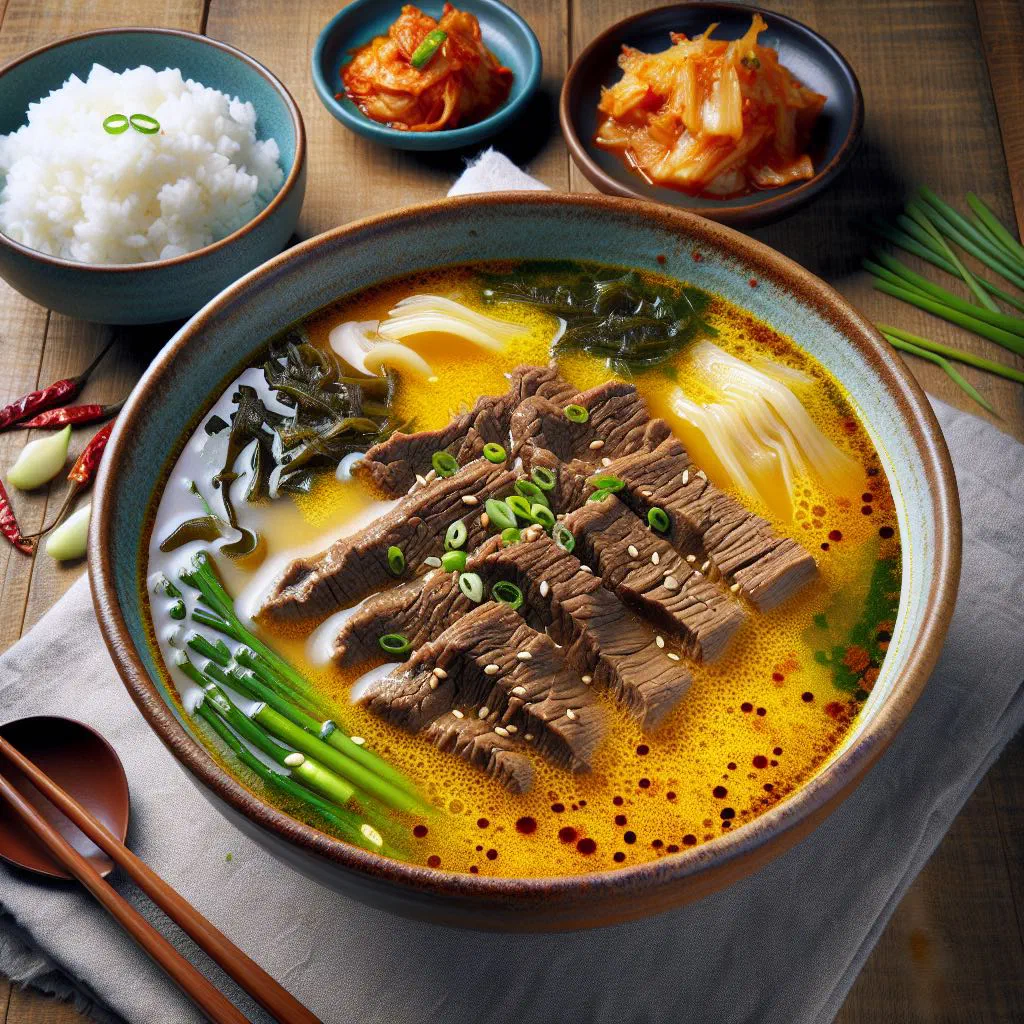
Warm up with Soegogi Muguk, a soothing Korean beef soup built on a clear, deeply savoury broth. Tender strips of beef mingle with sweet daikon radish and a whisper of sesame oil, creating a bowl that feels like a hug on a cold day. Once a favourite at the royal court, it remains a humble household staple, easy to make, endlessly comforting and unmistakably Korean.
About Soegogi Muguk
Soegogi Muguk is a hearty classic of Korean cooking, celebrated for its rich, fragrant broth. At its heart is beef, simmered gently with a handful of fresh vegetables and seasonings until everything comes together in harmony. This beef soup was once enjoyed at the Korean royal court, and it still appears regularly in many homes as a beloved comfort food. Perfect for cold days or whenever you simply need a little solace, Soegogi Muguk is sure to win you over.
Ingredients (serves 1–2)
- 200 g beef (such as brisket)
- 1 onion, diced
- 2–3 garlic cloves, chopped
- 1 carrot, sliced
- 100 g daikon radish, cut into strips
- 1 litre water or beef stock
- 2 spring onions, sliced into rings
- 1 tablespoon soy sauce
- Salt and pepper to taste
- 1 teaspoon sesame oil
Shopping for the ingredients
When shopping for the ingredients for Soegogi Muguk, it pays to pay attention to the quality of the beef. Fresh meat is essential if you want to enjoy the soup at its flavourful best. Visit your local butcher or an Asian grocery to pick up good-quality ingredients. Don’t forget to choose fresh vegetables such as carrots and daikon radish too, to make the most of both their nutrients and their taste.
Preparing the dish
Preparing the dish is straightforward and takes only a few steps. First, slice the beef into thin strips so it turns meltingly tender in the broth. Wash the vegetables well and cut them as described in the instructions. Every ingredient plays its part in striking the perfect balance of flavours and making the dish truly satisfying. Have a large pot ready, too, for simmering the soup later on.
Step-by-step instructions
- Heat the sesame oil in a large pot and brown the beef over medium heat until lightly coloured on all sides.
- Add the onion and garlic and fry for about 2 minutes, until fragrant.
- Pour in the water or stock and bring everything to the boil.
- Add the sliced vegetables (carrot and daikon) and let the soup simmer for around 30 minutes.
- Season with soy sauce, salt and pepper to taste, then simmer for a further 5 minutes.
- Scatter over the spring onions and serve the soup piping hot.
Gluten-free / lactose-free version
Soegogi Muguk is naturally fairly gluten-free and lactose-free, as long as you use the right ingredients. Reach for gluten-free soy sauce to keep the soup free of gluten. If you are not using fresh stock, check that the beef stock is gluten-free as well.
Tips for vegans and vegetarians
Although Soegogi Muguk is traditionally made with beef, there are delicious alternatives for vegans and vegetarians. Swap the beef for tofu or seitan and use vegetable stock in place of beef stock. Adding mushrooms can lend the soup a wonderfully savoury depth, much like the umami in a bowl of Kongnamul Guk. Experiment with different vegetables to create your own meat-free version.
More tips and tricks
Soegogi Muguk can be tailored entirely to your taste. Try different seasonings, or add a little chilli for a gentle heat. On cold days you might stir in extra vegetables to make the soup even more nourishing. Slow simmering is the secret to letting the flavours meld properly, so take your time over the cooking and let the broth develop its full character.
Adapting the recipe to your taste
Everyone has their own preferences in the kitchen, and Soegogi Muguk is no exception. You can easily adjust the recipe to suit your personal taste by adding extras such as mushrooms or sweet potato. If you fancy a richer broth, try other cuts of meat such as pork, just as you would for a hearty Gamjatang.
Ingredient substitutions
If you don’t have every ingredient to hand, there are several handy substitutions you can make. Instead of beef, you could use chicken breast or lamb. For a lighter broth, vegetables such as courgette or green beans are a great choice. This way you can adapt the soup to whatever you have available, or simply to what you prefer.
Drink pairing ideas
Choosing the right drink can lift the whole meal considerably. A lightly chilled Korean beer or a glass of soju pairs beautifully with Soegogi Muguk and rounds the dish off nicely. For an alcohol-free option, a refreshing green tea or a fruity juice complements the flavours of the soup. Experiment with different drinks to find your perfect combination.
Serving and presentation ideas
An attractive presentation matters if you want to give your guests a special dining experience. Serve the soup in traditional Korean bowls and garnish it with fresh spring onions and a drizzle of sesame oil. A few slices of chilli can add a welcome splash of colour too. We eat with our eyes first, after all, and a well-presented bowl of soup is all the more inviting.
A bit of history
Soegogi Muguk has a history that reaches back to the days of the Korean royal court. The soup was often served as part of banquets and prized as nourishing and restorative. Traditionally it is prepared for special occasions and celebrations, as it fosters a sense of togetherness and family. These deep culinary roots make Soegogi Muguk a treasured part of South Korean cuisine.
More recipe ideas
Summary: Soegogi Muguk
In short, Soegogi Muguk is a hearty, nourishing dish that you can easily make at home. It brings together fresh ingredients and aromatic seasonings, offering a combination of flavour and tradition. This dish brings the authentic taste of South Korea to your table. Give it a try and enjoy a bowl full of Korean history and comfort.