National Dish South Korea: Soondae (Recipe)
In this article
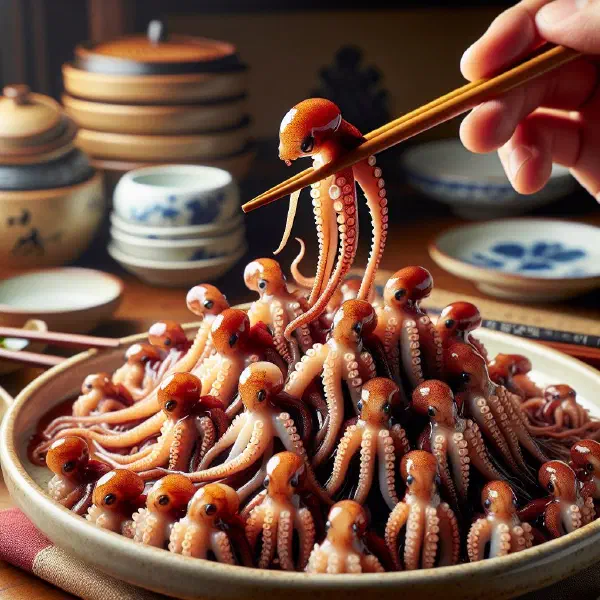
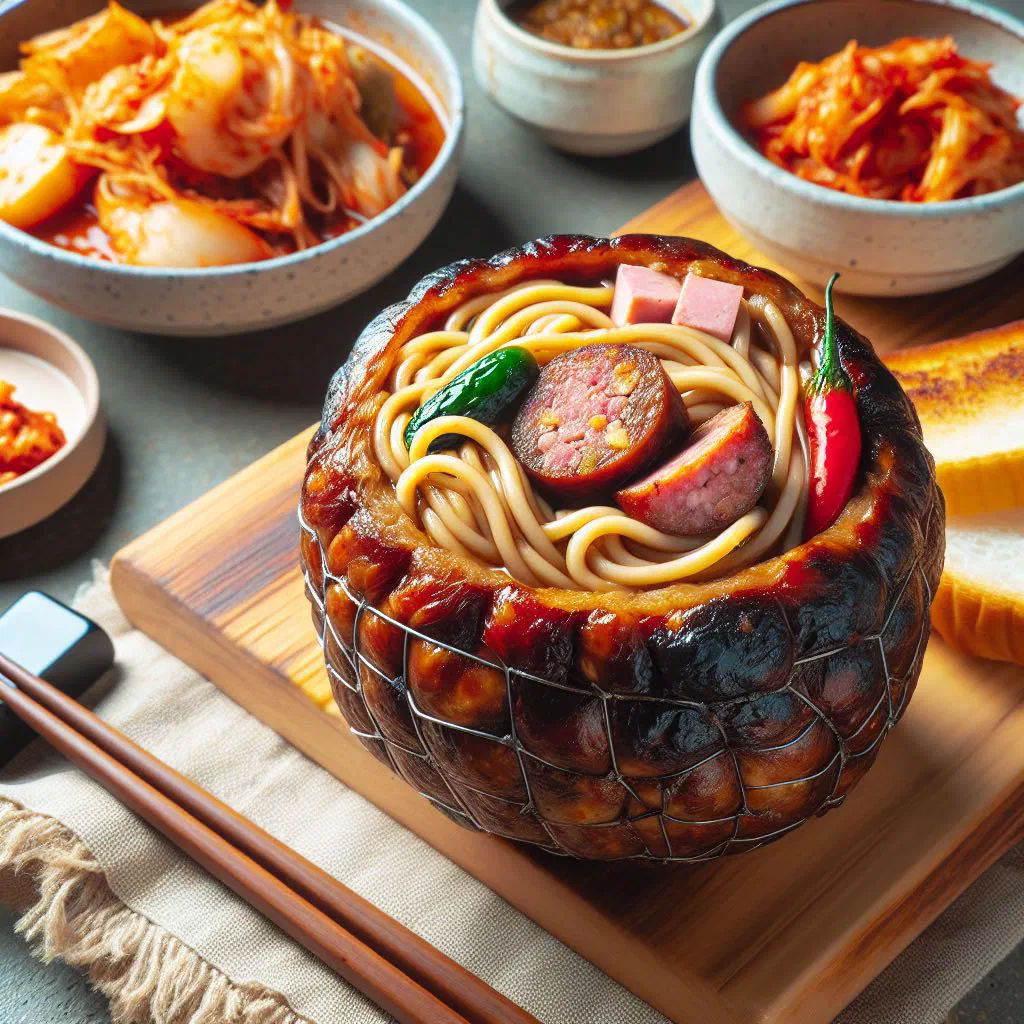
Discover Soondae, one of South Korea’s most distinctive street-food treats. This traditional blood sausage packs glutinous rice, finely chopped vegetables and pork blood into a single satisfying bite. Savoury, deeply aromatic and endlessly variable, it has long been a favourite at busy market stalls and cosy neighbourhood eateries alike. Bring the warmth of a Korean street stall straight to your own kitchen with this simple recipe.
About Soondae
Soondae is a traditional Korean blood sausage that comes in countless regional variations. Over the years it has grown into a much-loved snack, frequently served at street stalls and in casual restaurants up and down the country. The combination of glutinous rice, mixed vegetables and pork blood gives soondae its unmistakable aroma and its characteristic texture. The dish wins people over with its hearty, savoury flavour and the ease with which it can be adapted to suit different tastes and preferences.
Ingredients (serves 1–2)
- 200g soondae (blood sausage)
- 100g glutinous rice
- 50g mixed vegetables (carrots, onions, etc.)
- 200ml pork blood
- 2 tablespoons spicy sauce
- 1 litre stock (optional)
Shopping for the ingredients
To make soondae you will want fresh, good-quality ingredients, which are often found in Asian grocery shops. The blood sausage is the star component and should be fresh or well sealed. When buying the vegetables, look for produce that is crisp and fresh so you get the very best flavour. The spicy sauce also plays a decisive role here, and it is worth trying out different varieties depending on how much heat you enjoy.
Preparing the dish
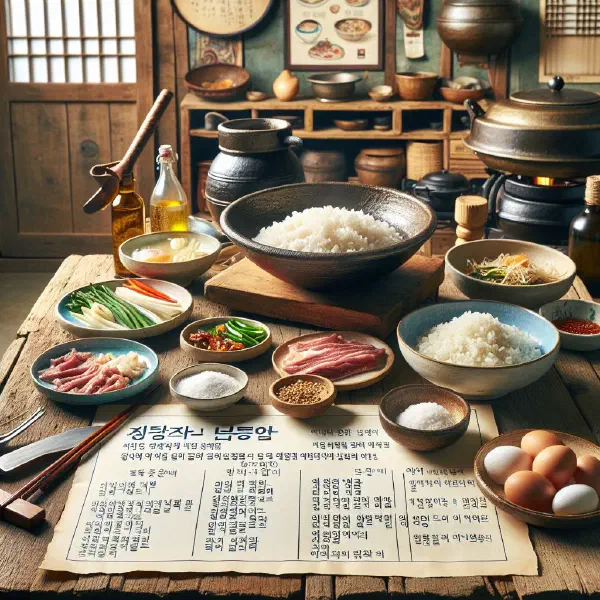
Preparing soondae involves a handful of simple steps that are nonetheless crucial to the final flavour. First, wash the rice thoroughly and cook it until it is soft and sticky. At the same time, finely chop the vegetables and lightly sauté them to deepen their flavour. Another important step is making the stock, which is used later for serving to lend the dish extra warmth and depth of flavour.
Step-by-step instructions
- Rinse the rice thoroughly, then bring it to the boil in a pan of water.
- Finely chop the vegetables and sauté them in a frying pan.
- Combine the pork blood with the cooked ingredients and mix well.
- Spoon the mixture into a sausage casing and seal it securely.
- Simmer the sausage in boiling water for around 15 minutes.
- Serve the soondae with spicy sauce or in piping-hot stock.
Gluten-free / lactose-free version
Soondae is easy to make gluten-free and lactose-free, as long as you watch out for any additives in the stock and side dishes. Choose gluten-free stocks and check the ingredients of the sauce you use. It also helps to rely on fresh ingredients that are naturally free from gluten and lactose. With that in mind, read the labels carefully when shopping, and consider mixing your own sauce from sambal oelek or something similar.
Tips for vegans and vegetarians
Although soondae is traditionally made with meat, there are plenty of vegan and vegetarian versions that preserve its unique character. Replace the pork blood with plant-based alternatives such as beetroot or other plant proteins. When choosing the vegetables you can be creative and use seasonal produce to bring more variety to the dish. Spices and aromatics can likewise be adjusted to tailor the sausage to your own taste, much like the vegetable-rich filling of Pajeon.
More tips and tricks
A few small tips can make preparing soondae easier and more rewarding. Take care not to pack the sausage too tightly, as the filling expands during cooking. Try out different spice blends and sauces to find the perfect flavour for your dish. For a special touch, garnish the finished sausage with fresh herbs or spring onions, which add both colour and an extra layer of flavour.
Adapting the recipe to your taste
Soondae is remarkably adaptable and easy to tailor to personal preference. Add more or less vegetable depending on what you fancy or happen to have to hand. The seasoning can also be dialled up or down to taste, experiment with different levels of heat or with fragrant herbs. Your creativity is the key to building the perfect version for yourself.
Ingredient substitutions
If certain ingredients for soondae are hard to come by, substitutions are simply part of the game. Instead of pork blood you can use other plant-based colourings, and vegan options can be considered for the sausage casing too. You might also vary the choice of vegetables to bring in different textures and flavours, the kind of hands-on improvising that also makes Dubu Kimchi so forgiving. Be creative with your ingredients and enjoy the cooking.
Drink pairing ideas
Choosing the right drink can greatly enhance the enjoyment of soondae. Traditionally this dish is often served with soju or a light Asian beer, both of which harmonise well with its bold flavours. Alternatives include fresh green tea or a fruit schnapps, which offer a refreshing counterpoint. Think about the flavours of your side dishes and pick something that brings out the aromas of the main event.
Serving and presentation ideas
The presentation of soondae can add even more to the pleasure of the dish. Serve the sausage neatly arranged on a wooden board or a traditional plate to create a rustic feel. Add fresh herbs such as coriander or parsley as a garnish to bring colour and freshness. Remember that we eat with our eyes first, an appealing presentation invites everyone to dig in straight away.
A bit of history
Soondae has a long history and is deeply rooted in South Korean cuisine. Originally developed as a way of making good use of leftovers, the dish has grown into a popular delicacy. The many ways of preparing it vary between the regions of South Korea and according to the traditions of individual families. Soondae is a piece of Korean culture, expressing a sense of connection to one’s roots, much like classics such as Tteokguk.
More recipe ideas
Summary: Soondae
Soondae is far more than just a dish; it is a culinary experience that plays an important role in South Korean culture. With its distinctive preparation and its wealth of flavour combinations, it captivates locals and visitors alike. Thanks to the recipe’s adaptability, accomplished cooks and home enthusiasts can both create their own variations. So why not give soondae a try today and let its versatile flavours work their magic?