National Dish South Korea: Sundubu Jjigae (Recipe)
In this article
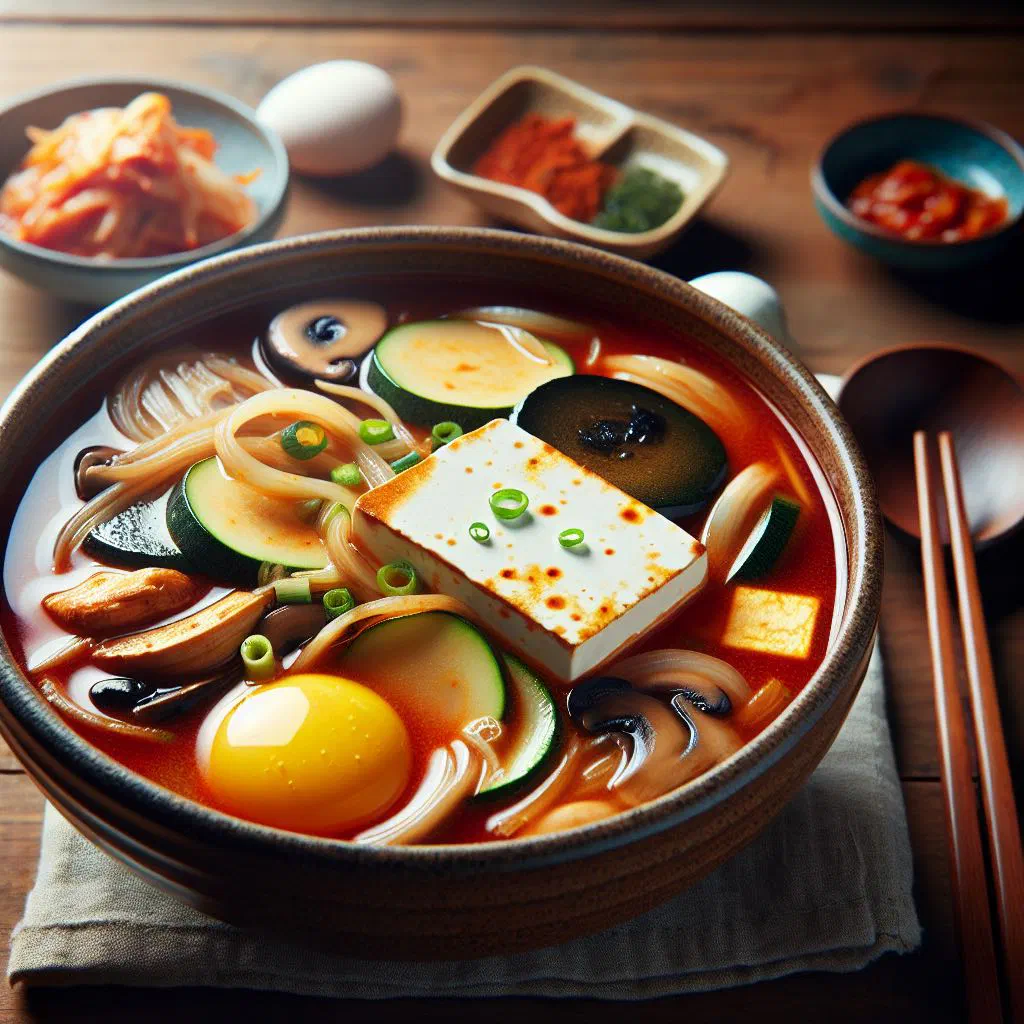
Few dishes warm you through quite like Sundubu Jjigae, South Korea’s beloved soft tofu stew. Silky, just-set tofu floats in a fiery, deeply savoury broth built from fermented favourites such as kimchi, gochujang and doenjang. It is the kind of bowl you crave on a cold evening or when you are feeling under the weather, comforting, restorative and endlessly adaptable to whatever you fancy. Bring the bubbling heat of a Korean kitchen straight to your own table.
About Sundubu Jjigae
Sundubu Jjigae is a much-loved, traditional Korean stew set apart by its spicy, hearty broth and the soft, freshly made tofu known as sundubu. Its unmistakable flavour comes from a blend of fermented staples such as kimchi, gochujang (Korean chilli paste) and doenjang (soybean paste). The dish is not only widespread across South Korea but has won admirers around the world. What makes it special is its versatility, it can be tweaked to suit almost any palate, along with the warming, almost soothing effect it brings on cold days or when you are feeling poorly.
Ingredients (serves 1–2)
- 200g soft tofu (sundubu)
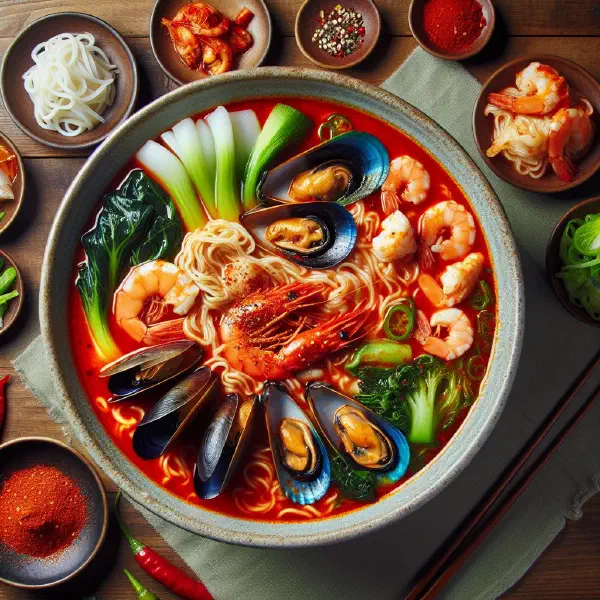
- 100g pork belly or seafood
- 1 tablespoon sesame oil
- 1–2 tablespoons gochujang
- 1 tablespoon soy sauce
- 1 tablespoon doenjang
- 1 teaspoon garlic, finely chopped
- 1/2 onion, diced
- 2 spring onions, sliced
- 400ml water or stock
- 1–2 eggs (optional)
- 1/2 teaspoon sugar
Shopping for the ingredients
Traditional ingredients such as gochujang, doenjang and fresh sundubu can be found in Asian supermarkets or specialist grocers. For the most authentic result, look for good-quality pastes made without unnecessary additives. Any seafood should be fresh or well-frozen, and the same goes for meat, choose something of good quality and freshness. If pork belly is not to your liking, beef or chicken make an easy swap. This kind of warming, fermented depth is a hallmark of Korean cuisine.
Preparing the dish
Before you start cooking, get all the ingredients ready: slice the vegetables, cube the tofu and portion the meat or seafood as needed. A little groundwork like this keeps the cooking process efficient and free of last-minute delays, so the stew comes together smoothly.
Step-by-step instructions
- Heat the sesame oil in a pot and fry the pork belly or seafood until lightly browned.
- Add the onion, garlic and gochujang and cook for a few minutes until the onions turn translucent.
- Stir in the doenjang, soy sauce and sugar and mix everything together well.
- Pour in the water or stock and let the stew simmer for around 15 minutes.
- Add the tofu and spring onions and cook for a further 5 minutes.
- Crack in an egg and let it set, or stir it through — whichever you prefer.
- Serve the sundubu jjigae piping hot and bubbling.
Gluten-free / lactose-free version
Sundubu Jjigae is naturally lactose-free, so it suits anyone avoiding dairy without any changes at all. To make it gluten-free, swap the regular soy sauce for tamari and check that your gochujang and doenjang are certified gluten-free, as some blends contain wheat. With those small substitutions, everyone can enjoy this comforting stew without compromise.
Tips for vegans and vegetarians
Vegans and vegetarians can leave out the meat or seafood and add more vegetables or tofu instead. Be sure the pastes you use are vegan, as some varieties contain fish sauce. The egg can be left out altogether or replaced with a plant-based egg alternative. With these tweaks the dish stays just as rich and satisfying while suiting a meat-free diet.
More tips and tricks
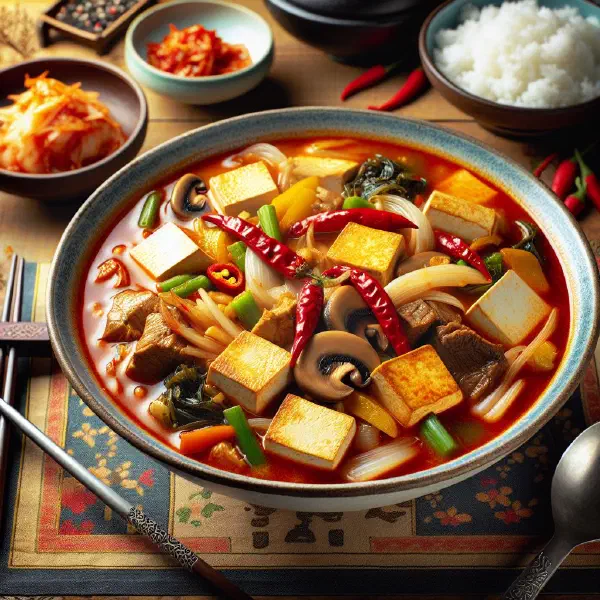
To vary the heat of the dish, simply adjust the amount of gochujang. Adding different vegetables or mushrooms makes for a lovely variation too. Try serving your sundubu jjigae with steamed rice or noodles to round out the meal, and a small bowl of Kimchi on the side is never a bad idea.
Adapting the recipe to your taste
The recipe is easy to modify to suit individual preferences. If you like it milder, just cut back on the gochujang. Instead of pork belly you could use beef, chicken or even nothing but vegetables to create a vegetarian version. This way you can build a bowl that fits your own taste exactly.
Ingredient substitutions
If certain ingredients are not to hand, there are plenty of creative alternatives. Pork belly can give way to beef or chicken, much like the comforting meat in Gamjatang. Soft tofu can be swapped for medium tofu if sundubu is hard to find, and a spoonful of kimchi brings welcome tang in the same way it does in Dubu Kimchi. Substitutions like these help you adapt the recipe to what is in season or to your own preferences.
Drink pairing ideas
For a non-alcoholic accompaniment, Korean barley or rice tea works beautifully and helps balance the heat. Cold, clear drinks such as water or a lightly sweetened iced tea can also be wonderfully refreshing alongside the spice of the stew.
Serving and presentation ideas
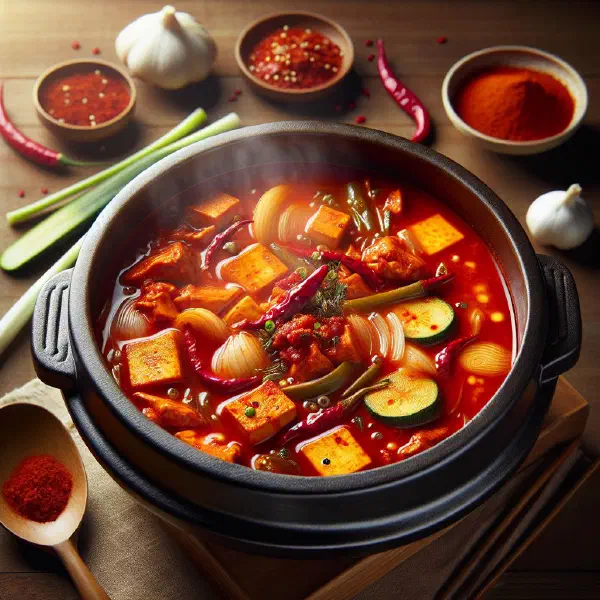
Serve your sundubu jjigae in traditional Korean earthenware pots to retain the heat and create an authentic dining experience. Garnish with extra sliced spring onions or a dollop of gochujang for colour and flavour. Set it out with a few side dishes for a meal that looks as inviting as it tastes.
A bit of history
Sundubu Jjigae has its roots in Korean royal court cuisine and has evolved considerably over time. It was originally prized as a simple tofu dish, before the addition of spicy ingredients such as gochujang gave it both heat and growing popularity. Today it is a comforting cornerstone of Korean home cooking, enjoyed far beyond the peninsula.
More recipe ideas
Summary: Sundubu Jjigae
Sundubu Jjigae is a versatile and comforting dish that reflects the rich variety of flavours in Korean cuisine. With the freedom to adapt it to your own taste, it is a delicious meal you can rediscover again and again. Meaty or vegetable-packed, this soft tofu stew brings warmth and depth to any table. Let this Korean classic inspire you and give it a try, your taste buds will thank you.