National Dish South Korea: Wanja Jeon (Recipe)
In this article
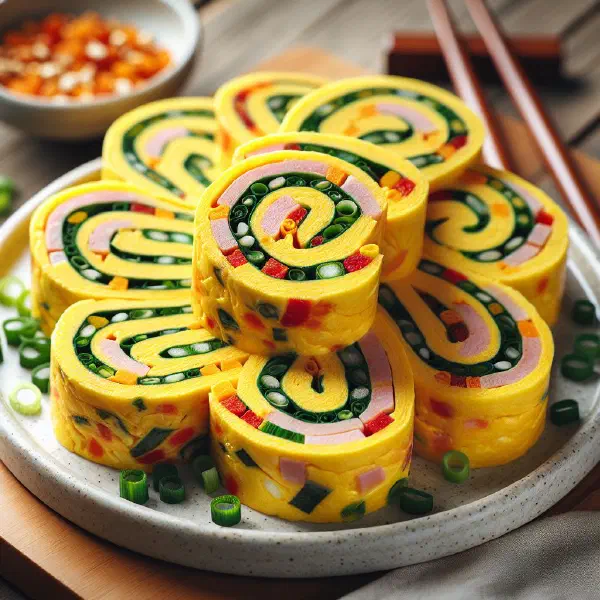
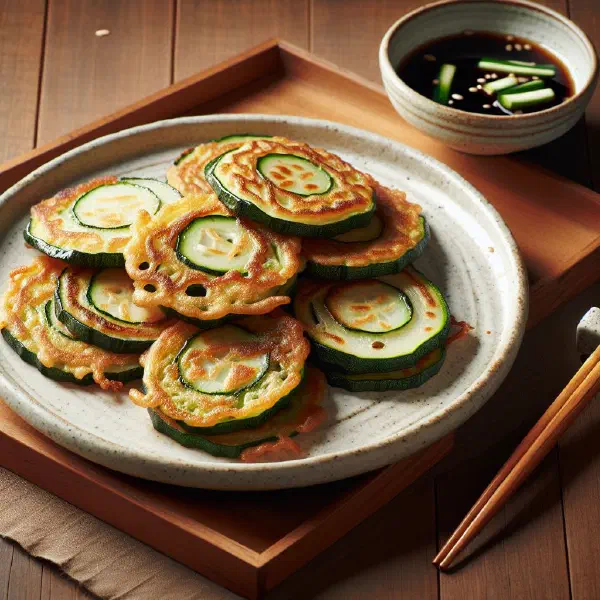
Say hello to Wanja Jeon, a moreish South Korean classic of savoury, golden-fried pancakes packed with a fragrant filling. Tender rice batter wraps around vegetables, meat or seafood for a dish that delivers a wonderful contrast of flavours and textures in every bite. Equally at home as an everyday snack or as a celebratory treat at festive gatherings, these little pancakes are a delicious way to discover the variety of the Korean table.
About Wanja Jeon
Wanja Jeon is a traditional Korean dish beloved for its hearty, filled pancakes. They are built around tender rice pancakes that can be stuffed with a wide range of ingredients, from vegetables and meat to seafood. The dish brings together a medley of flavours and textures, making it ideal as a snack or as part of a festive spread. Wanja Jeon is delicious and a wonderful way to experience the rich variety of Korean cuisine.
Ingredients (serves 1–2)
- 1 cup rice (preferably glutinous rice)
- 1/2 cup water
- 1/2 cup chopped vegetables (carrot, courgette)
- 100 g minced meat or grilled seafood
- 2 eggs
- 1 tablespoon soy sauce
- 1 teaspoon cooking oil
- Salt and pepper, to taste
Shopping for the ingredients
The ingredients for Wanja Jeon are fairly easy to track down. Pay a visit to your local Asian supermarket or a well-stocked grocery store to find good-quality components. Choose the freshest vegetables and meat you can for the best possible flavour. If you have particular dietary needs, many of these ingredients are also readily available in organic quality.
Preparing the dish
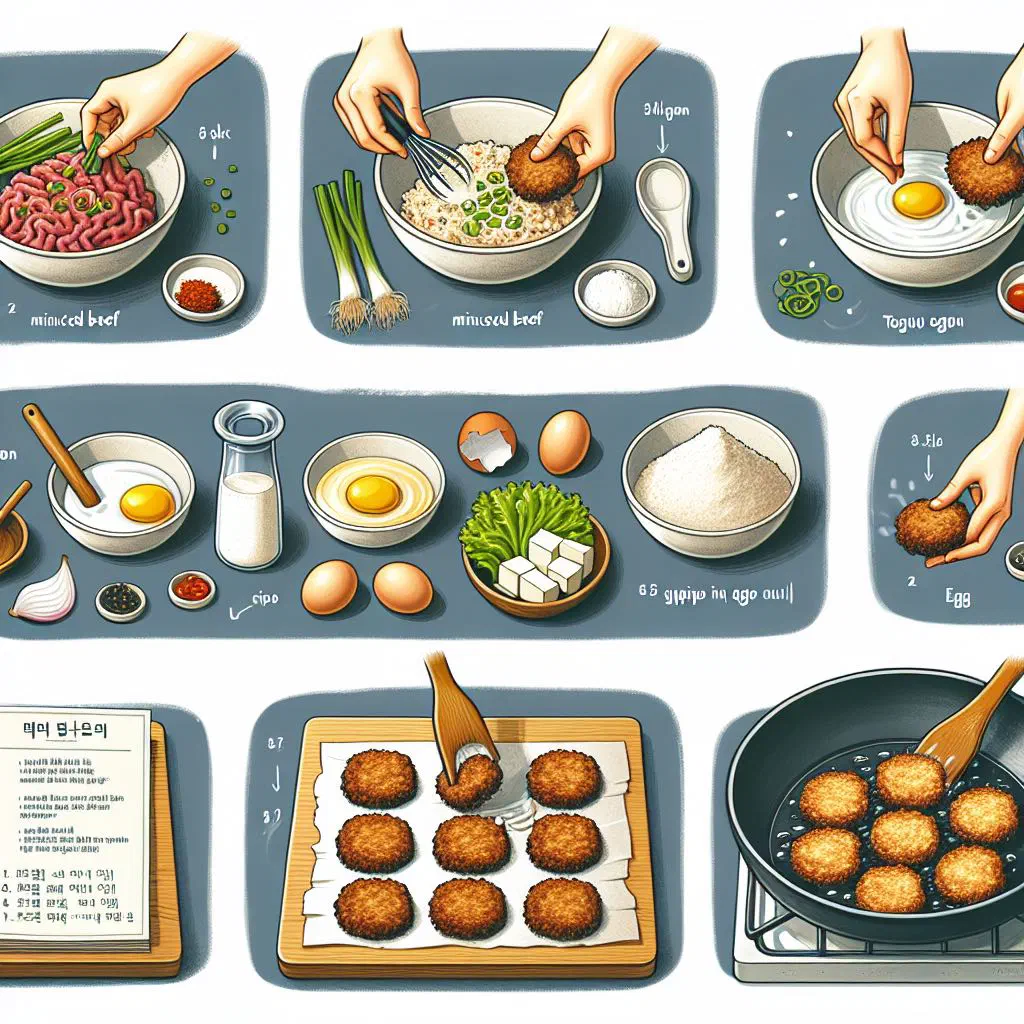
Careful preparation is the key to a successful Wanja Jeon. Start by rinsing the rice thoroughly, then leave it to soak for 30 minutes. While the rice soaks, chop the vegetables and meat into small pieces. Don’t forget to beat the eggs in a separate bowl so they are ready to fold into the batter when the time comes.
Step-by-step instructions
- Drain the soaked rice and blend it with the water until you have a smooth paste.
- Stir the vegetables and meat into the rice paste and season with soy sauce, salt and pepper.
- Heat a little oil in a pan and spoon in a small amount of the mixture to shape a pancake.
- Fry the pancake until golden on one side, then flip and cook the other side.
- Repeat the process until all the mixture is used up.
- Drain the pancakes on kitchen paper and serve warm.
Gluten-free / lactose-free version
The good news is that Wanja Jeon adapts easily to different dietary requirements. Swap the regular rice for gluten-free rice to create a fully gluten-free dish. For a lactose-free version, simply leave out the eggs or replace them with a plant-based alternative. These small adjustments make the dish suitable for a wider audience and ensure everyone can enjoy it.
Tips for vegans and vegetarians
There are plenty of ways to make Wanja Jeon work for vegans and vegetarians. In place of meat, reach for tofu or extra vegetables to enrich the filling. Spinach, mushrooms or aubergine all add depth of flavour while keeping a satisfying, protein-rich element. Skip the eggs and use a flaxseed or chia seed substitute as a binder instead. The same plant-forward thinking shines in dishes like Dubu Kimchi.
More tips and tricks
To intensify the flavour, experiment with different spices and herbs in your filling. A drizzle of sesame oil or a handful of chopped spring onions can work wonders. Make sure the pan is properly preheated so the pancakes brown evenly. If you like a bit of heat, add chilli to the batter or serve a spicy dipping sauce on the side.
Adapting the recipe to your taste
Wanja Jeon can be tweaked in all sorts of ways. Depending on your personal taste, try different vegetables and types of meat to keep things interesting. You can also change the texture of the pancakes by adding a little more or less water, which lets you find the perfect consistency to suit your preferences.
Ingredient substitutions
If you can’t find some of the ingredients, there are several alternatives to fall back on. Rice can be swapped for quinoa or millet to introduce new flavours and nutrients. Instead of soy sauce, you might use tamari or coconut aminos to adjust the saltiness and refine the taste. This adds variety and opens the door to healthier options.
Drink pairing ideas
A number of drinks pair beautifully with Wanja Jeon and complement its savoury character. A cool light lager or a fruity soju are classic companions that go wonderfully with the hearty pancakes. For an alcohol-free option, green tea or Korean rice wine make refreshing alternatives.
Serving and presentation ideas
Presentation plays a big part in enjoying Wanja Jeon. Arrange the pancakes on an attractive platter and garnish them with fresh herbs and a tangy vinegar dipping sauce to create an appealing splash of colour. Add a few pieces of green salad and fresh chilli on the side. These little touches make the dish more inviting and give your meal a special finishing flourish.
A bit of history
The origins of Wanja Jeon reach far back into Korean history. Originally conceived as a simple meal for farmers, the dish gradually evolved into a festive food served at special occasions and holidays. Each region developed its own variations, shaped by local ingredients and traditions. This makes Wanja Jeon more than a delicious dish but also a genuine piece of Korean culture, and a fine introduction to Korean cuisine.
More recipe ideas
Summary: Wanja Jeon
Thanks to its adaptability and the freedom to use a whole range of ingredients, it suits countless occasions. The combination of flavours and textures will win everyone over. Be sure to give our recipe a go and savour the appeals to of Korean cuisine.