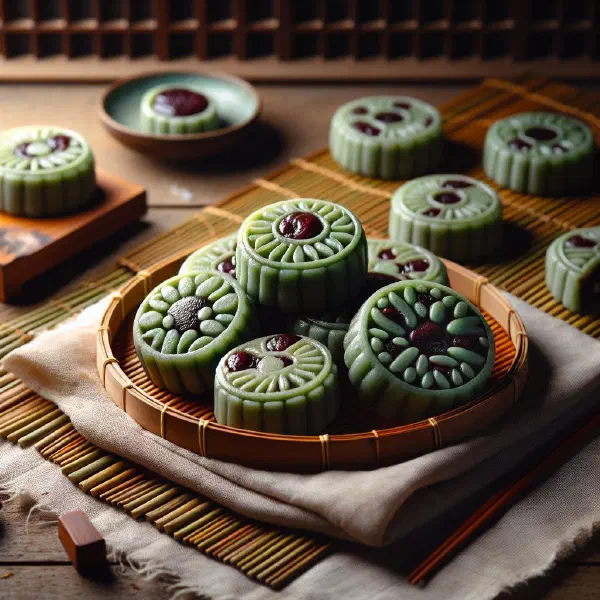
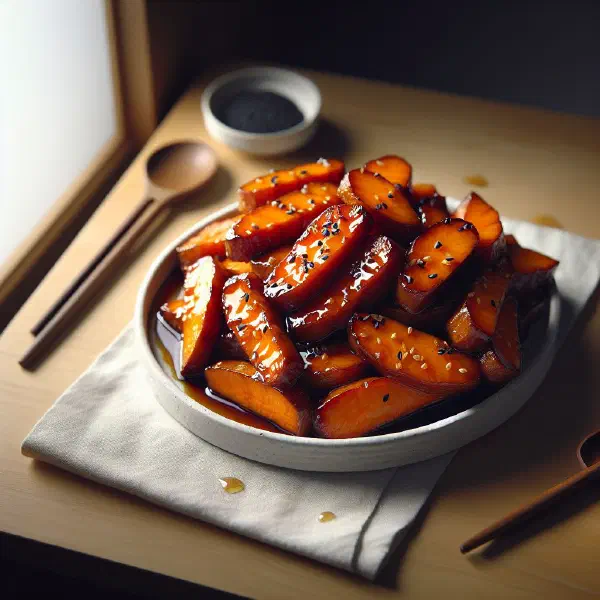
National Dish South Korea: Yaksik (Recipe)

In this article
Say hello to Yaksik, a glossy, sweet-savoury treat made from glutinous rice folded together with toasted nuts and chewy dried fruit. Sweetened with honey and given depth by a touch of soy and sesame, it is a dish that Koreans traditionally prepare for festivals and special occasions. Comforting yet a little luxurious, it brings a taste of Korean celebration straight to your kitchen.
About Yaksik
Yaksik is a traditional Korean dish that brings together both sweet and savoury flavours in one comforting mouthful. Its main ingredient, glutinous rice, is enriched with toasted nuts and dried fruit, giving the dish an appealing texture and real depth of flavour. More than just a treat for the palate, Yaksik carries deep cultural significance in South Korea, where it is often made for special occasions. It is usually served in a festive setting, adding to the warm, celebratory mood of any gathering.
Ingredients (serves 1–2)
- 1 cup glutinous rice
- 1/4 cup dried fruit (such as dates or apricots)
- 1/4 cup toasted nuts (such as walnuts or almonds)
- 2 tablespoons honey
- 1 tablespoon soy sauce
- 1/2 cup water
- 1 teaspoon sesame oil
Shopping for the ingredients
The first steps towards making Yaksik begin with shopping for the ingredients. Visit an Asian grocery or a well-stocked supermarket to make sure you get the freshest produce possible. When buying dried fruit, look for varieties without added sugar so you preserve the dish’s authentic flavour. Toasted nuts are ideally unsalted, which helps keep the balance of flavours just right.
Preparing the dish
Preparing Yaksik involves a few important steps to bring out its flavours at their best. First, the glutinous rice should be soaked in water overnight to improve its texture and shorten the cooking time. While the rice soaks, chop the dried fruit into small pieces and mix them with the nuts so they are evenly distributed through the dish. It is also worth getting the honey sauce ready at this stage by stirring together the honey, soy sauce and sesame oil.
Step-by-step instructions
- Drain the soaked rice and tip it into a saucepan.
- Add the water, bring to the boil, then reduce the heat and simmer gently for 15–20 minutes.
- Once the rice is cooked, stir through the toasted nuts and dried fruit.
- Add the prepared honey sauce and mix everything together thoroughly.
- Serve the Yaksik in a suitable bowl and scatter with sesame seeds to taste.
Gluten-free / lactose-free version
Yaksik is easy to make gluten-free and lactose-free. Be sure to use a gluten-free soy sauce so the dish suits anyone with a gluten intolerance. You can also adjust the nuts and dried fruit as you like, checking that they contain no hidden lactose. That way everyone with special dietary needs can still enjoy this dish to the full.
Tips for vegans and vegetarians
Yaksik adapts effortlessly to a vegan diet. In place of honey you can use agave syrup or another plant-based sweetener that lends the same sweetness. The choice of nuts and dried fruit can be varied freely to create new flavour combinations. Vegans can also double-check that every cooking tip and ingredient is free from animal products, for a wholesome, satisfying treat.
More tips and tricks
To get the best result from your Yaksik, it pays to use good-quality glutinous rice. Rinse and soak the rice thoroughly before cooking to remove any grit and excess starch. Experiment with different combinations of nuts and dried fruit to put your own twist on it. Another key tip is to let the dish rest and steep for a while, so the flavours have time to develop fully.
Adapting the recipe to your taste
Everyone has their own preferences in the kitchen, and Yaksik is wonderfully adaptable. You might use different dried fruits or add extra warmth with a little cinnamon or vanilla to give the dish a personal touch. With the nuts, feel free to experiment and even create your own blends for a unique flavour experience. Just keep the balance between sweet and savoury so you preserve the signature character of Yaksik.
Ingredient substitutions
If you do not have everything to hand, there are plenty of easy alternatives. Instead of glutinous rice you can use another rice variety, though bear in mind this will affect the dish’s texture, much as it would in a comforting bowl of Nurungji. If nuts are not for you, swap them for extra dried fruit, which adds more sweetness and fruitiness. You can also replace the honey with a sweetener of your choice, depending on your taste and diet.
Drink pairing ideas
Several drinks pair beautifully with Yaksik. A mild green tea complements the dish’s sweet notes wonderfully and has a soothing effect. A fruity smoothie or a herbal tea also works well alongside it. If you fancy something more refreshing, try a fruity lemonade made from fresh ingredients to lift the flavours of the Yaksik.
Serving and presentation ideas
When it comes to presentation, you can get creative to serve Yaksik in style. Use attractive bowls or plates and garnish the dish with a sprinkle of sesame or freshly chopped herbs. Play up the colours of the dried fruit and nuts to create an appealing visual feast. A thoughtful presentation enhances the flavours and turns the meal into a festive occasion.
A bit of history
Yaksik has a long history and special cultural meaning in South Korea. It is prepared in particular for festivities and special occasions, where it symbolises good fortune and prosperity. The word “Yaksik” translates roughly as “healing through food”, a nod to the health-giving qualities of its ingredients. Over the years the recipe has evolved and given rise to various regional variations that reflect Korea’s rich culinary heritage. Sweet treats like this and the honey-glazed Yakgwa are cornerstones of celebratory Korean cuisine.
More recipe ideas
Summary: Yaksik
In short, Yaksik is a fascinating and versatile Korean dish that brings together a range of flavours and textures. From the preparation and the variations to the pairings, every element contributes to a memorable culinary experience. It is not only a dish for special occasions but one you can fold into everyday life to enrich your enjoyment of Asian cooking. Discover the secrets of Yaksik and let the variety and flavour of this unique treat win you over.