National Dish Spain: Cabrito al Horno (Recipe)
In this article
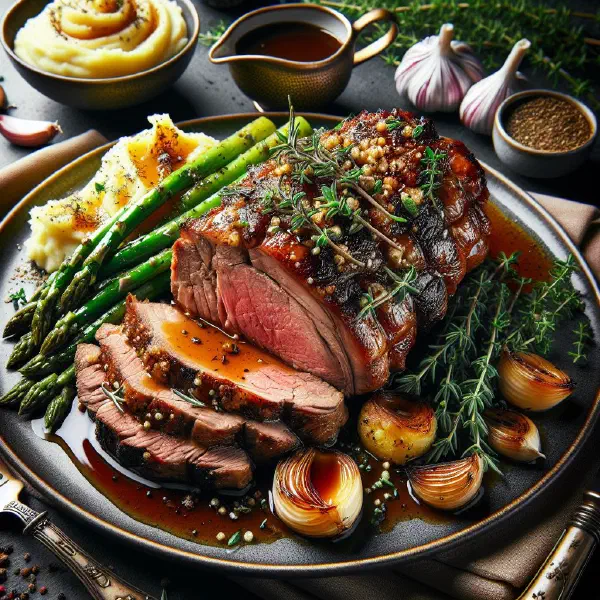
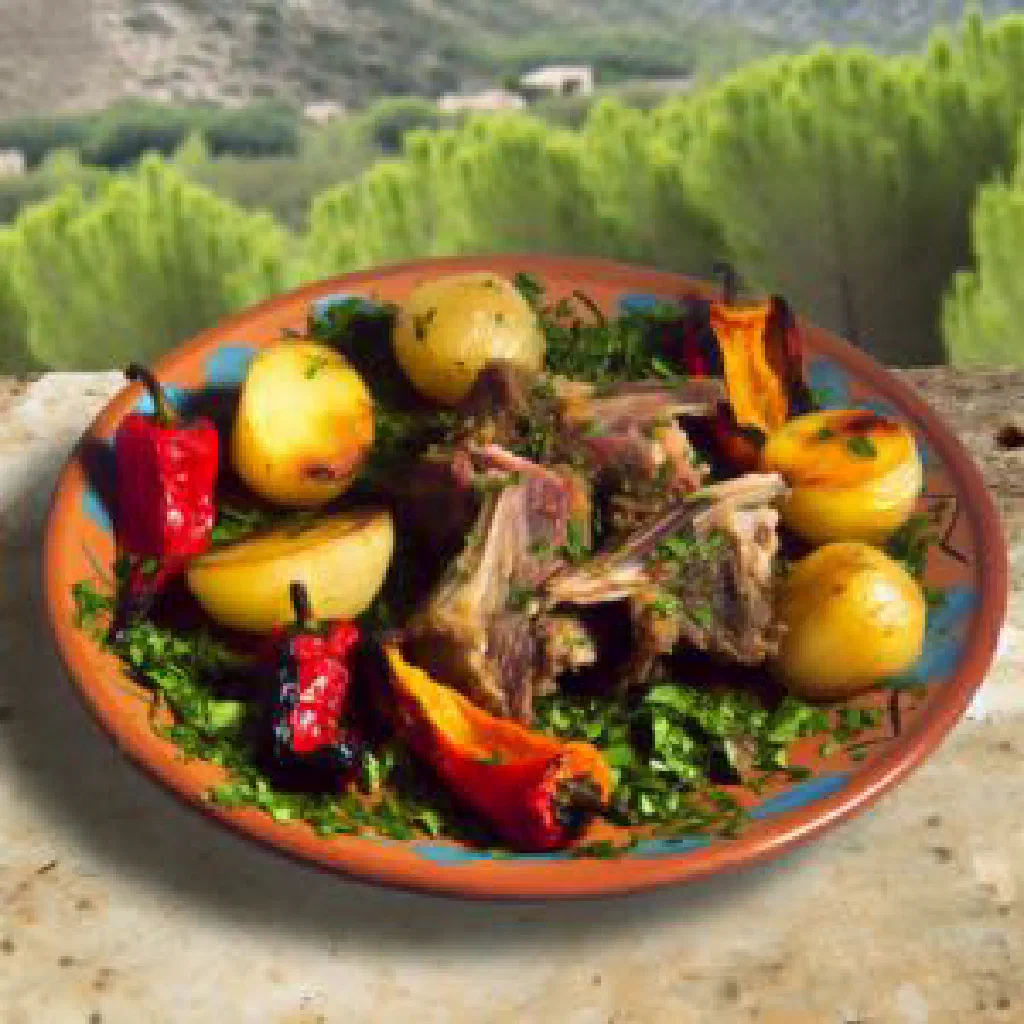
Meet Cabrito al Horno, a cherished Spanish roast that fills the kitchen with the scent of garlic, thyme and rosemary. Tender young kid is slow-roasted until the meat falls away from the bone and the skin turns golden and crisp. A favourite of Extremadura and parts of Castile, it is the kind of dish brought out for celebrations, yet it is just as welcome at an unhurried Sunday supper. Bring a taste of rural Spain straight to your own table.
About Cabrito al Horno
Cabrito al Horno is a traditional Spanish delicacy, prized above all in the region of Extremadura and in parts of Castile. The dish is built around tender young kid, slow-roasted in the oven and lifted by a generous, aromatic marinade. It is distinguished by its crisp skin and its juicy, fragrant meat, seasoned with herbs such as thyme and rosemary. It often appears at festive gatherings, but it makes a memorable highlight of a cosy Sunday evening in any household too.
Ingredients (serves 1–2)
- 1 kg young kid (cabrito), cut into pieces
- 2–3 cloves garlic, crushed
- 2–3 sprigs fresh thyme
- 2–3 sprigs fresh rosemary
- Olive oil
- Salt and pepper, to taste
- 1 lemon, sliced
- 500 g potatoes, diced (optional)
- 500 g seasonal vegetables (e.g. carrots, peppers) (optional)
Shopping for the ingredients
When shopping for Cabrito al Horno, the quality of the kid really matters. Look for fresh, locally reared meat, ideally from a butcher you trust. Fresh herbs are essential to the flavour, so check their quality too. Alongside the meat and the herbs, take care to pick up fresh vegetables and a good olive oil, both of which make all the difference to the finished roast.
Preparing the dish
Preparing Cabrito al Horno is fairly straightforward. Begin by gathering and washing all your ingredients. Next, marinate the kid with garlic, salt, pepper and the fresh herbs. The marinade benefits from a few hours in the fridge, ideally overnight, so the aromas can work their way deep into the meat. Meanwhile, you can prepare the potatoes and vegetables, ready to roast alongside the kid later on.
Step-by-step instructions
- Preheat the oven to 180 °C.
- Marinate the kid in a mixture of garlic, olive oil, salt, pepper and herbs. Leave it to rest for several hours.
- Place the marinated kid in a baking dish and add the potatoes and vegetables.
- Lay the lemon slices over the kid and the vegetables.
- Roast in the preheated oven for about 1.5 to 2 hours, until the meat is tender and the skin is golden and crisp.
- Serve hot, garnished with fresh herbs to taste.
Gluten-free / lactose-free version
Cabrito al Horno is naturally gluten-free and lactose-free, since the main ingredients, kid, vegetables and olive oil, contain neither gluten nor lactose. Simply take care when choosing your ingredients to make sure there are no hidden sources of gluten. Using freshly prepared spices and herbs also ensures there are no additives that might trigger an allergy. You can enjoy this delicious dish without a second thought.
Tips for vegans and vegetarians
For vegans and vegetarians, it is easy to put together a plant-based version of this much-loved dish. In place of the kid you might use roasted cauliflower or a medley of mixed vegetables, marinated with the same aromatic herbs. The key is to adjust the cooking times so the vegetables stay tender and full of flavour. You can also finish the dish with a vegan sauce to add an extra layer of taste. That way plant-lovers can share in these wonderful flavours too.
More tips and tricks
To get the very best from your Cabrito al Horno, a few tricks come in handy. Experiment with different herb blends to discover new flavours. Another tip is to moisten the baking dish with a little white wine or stock, which keeps the meat juicy. Basting the kid regularly during roasting also helps the skin turn extra crisp. And remember to let the dish rest for a few minutes before serving, so the juices settle evenly through the meat, much as you would with a Caldereta de Cordero.
Adapting the recipe to your taste
One of the great strengths of Cabrito al Horno is its versatility. Depending on your preferences, you can vary the seasoning. Try a dusting of paprika, for instance, or a few pieces of chilli for a sharper note. Different vegetables work well too, so everyone can shape the dish to their liking. The recipe also scales up easily to feed a larger gathering, simply by increasing the quantities. That sense of comfort stays with you in every bite.
Ingredient substitutions
If you would rather not use kid, or cannot find it, there are good alternatives such as lamb or even chicken, which carry similar aromas. Think of the herby richness of Chuletillas de Cordero or a simple Pollo Asado al Limón. Those following halal or kosher principles can choose meat prepared accordingly. For a fully vegetarian version, tofu or tempeh make a fine main ingredient, especially when folded through a flavourful marinade. Substitutions like these let you adapt the recipe to any diet or preference while keeping all the enjoyment.
Drink pairing ideas
A red wine is the natural partner for a classic Cabrito al Horno, complementing the flavours of the dish beautifully. A young Rioja or a full-bodied Tempranillo are ideal companions. For those who prefer to go alcohol-free, a freshly pressed grape juice or a sparkling mineral water with a squeeze of lemon underlines the flavours of the meal nicely. Letting your guests mix and match to their heart’s content adds to the convivial mood of any dinner.
Serving and presentation ideas
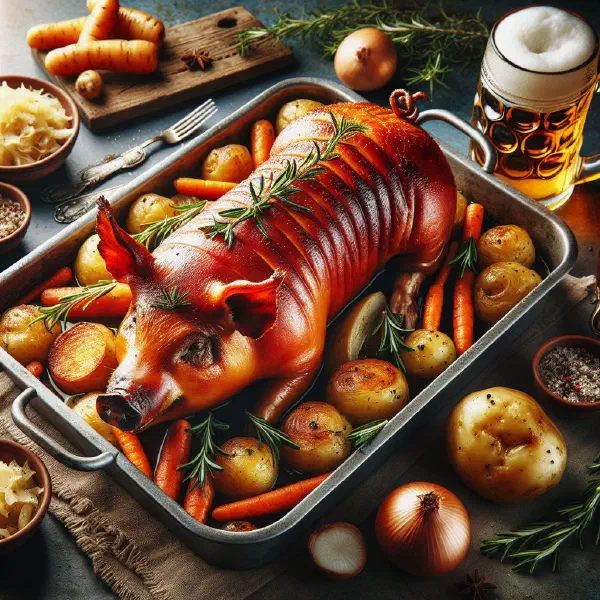
Presentation can lift the enjoyment of Cabrito al Horno considerably. Bring the dish straight from the baking dish to the table for a rustic, welcoming feel. Fresh herbs or citrus fruits make for easy, attractive garnishes that bring the dish to life. Arrange the vegetables and potatoes evenly around the kid to create an inviting picture. Paying attention to colour makes the food more appetising and builds the anticipation for the meal ahead.
A bit of history
Cabrito al Horno has deep roots in Spanish cooking and is closely tied to rural tradition. Originally a country dish, it was often prepared at celebrations to mark the abundance and prosperity of the harvest. The way it is cooked varies from region to region, which makes it all the more diverse across Spain, much like the hearty, time-honoured plates of Spanish cuisine such as the slow-cooked Callos Extremeños. Look a little closer and you soon see how much a people’s traditions are expressed through what they eat.
More recipe ideas
Summary: Cabrito al Horno
To sum up, Cabrito al Horno is a captivating dish of Spanish cuisine. It brings together traditional cooking methods and aromatic ingredients, and it is wonderfully adaptable. The preparation and the experience remain unique and delicious. With its many tips and creative tweaks, you can craft your own distinctive versions of this marvellous dish and turn every meal into a special occasion.