National Dish Spain: Calamares a la Romana (Recipe)
In this article
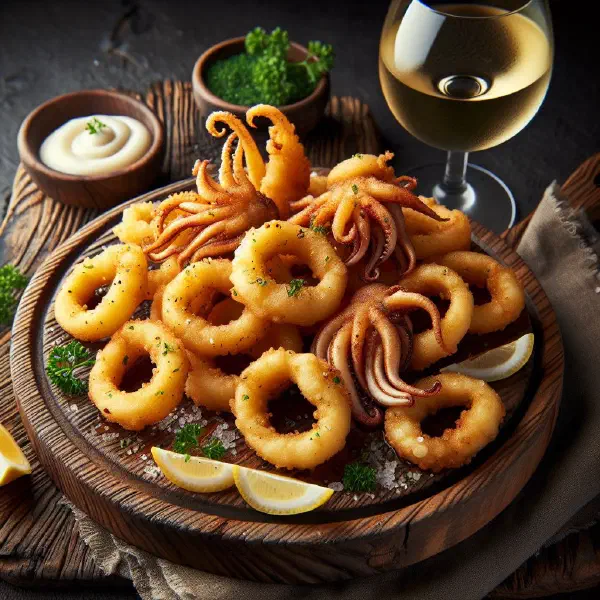
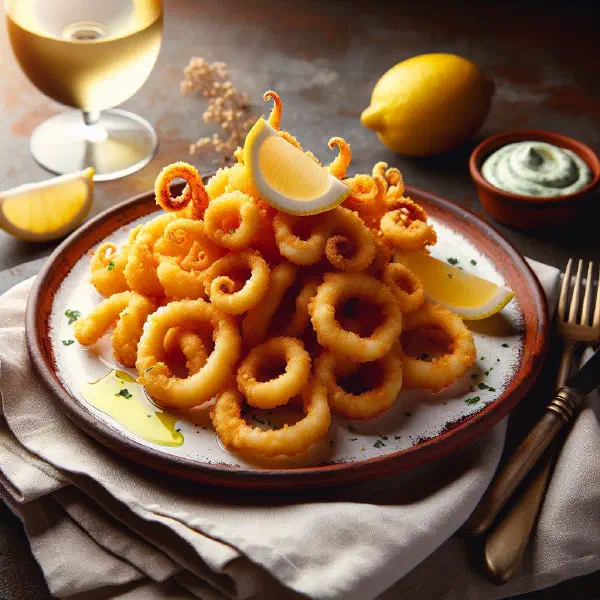
Few things capture the easy charm of a Spanish table quite like Calamares a la Romana, tender squid rings wrapped in a light, golden batter and fried until very crisp. A squeeze of fresh lemon is all it takes to finish them off. These crunchy rings are a true treat for seafood lovers, and they are wonderfully simple to recreate at home.
About Calamares a la Romana
Calamares a la Romana is a classic Spanish dish loved by locals and visitors alike. Its appeal lies in tender, crispy squid rings encased in a delicious batter coat. Not only is it straightforward to prepare, it is also very good for anyone who enjoys seafood. In this article you will learn exactly how to bring this beloved dish to your own kitchen.
Ingredients (serves 1–2)
- 200g fresh or frozen squid rings
- 100g plain flour
- 1 egg
- 100ml cold water
- Salt and pepper, to taste
- Oil for deep-frying (vegetable oil works well)
- 1 lemon (optional)
Shopping for the ingredients
When shopping for the ingredients, it is worth choosing fresh squid rings. Fresh squid is usually available from a trusted fishmonger. Alternatively, you can use frozen squid rings, which are easy to find in most supermarkets. The flour should be finely milled to give the batter a smooth texture, and a good, heat-stable oil for frying will help the rings turn out beautifully crisp.
Preparing the dish
First, the squid rings should be cleaned well and patted dry. If you are using frozen squid rings, make sure they are fully thawed. Drying the rings thoroughly is especially important, as excess moisture can spoil the batter. Have all your other ingredients, flour, egg and cold water, ready so you can put the batter together quickly when the time comes.
Step-by-step instructions
- Sift the flour into a bowl and add a pinch of salt.
- In a separate bowl, beat the egg and whisk it together well with the cold water.
- Gradually stir the egg-and-water mixture into the flour until you have a smooth batter.
- Dip the squid rings into the batter one by one, making sure they are completely coated.
- Heat the oil in a pan or deep-fryer to around 180°C.
- Fry the squid rings in batches until golden brown and crisp, usually about 2–3 minutes per batch.
- Lift the finished rings out of the oil and drain them on kitchen paper to remove any excess fat.
- Garnish the Calamares a la Romana with lemon wedges to taste and serve hot.
Gluten-free / lactose-free version
For a gluten-free version, you can swap the wheat flour for a gluten-free flour such as rice flour or cornflour. In place of the water, try using sparkling mineral water to give the batter extra lightness. These adjustments produce a batter just as crisp and delicious as the original recipe. The dish is naturally lactose-free, so it suits a wide range of diets without any further changes.
Tips for vegans and vegetarians
Since Calamares a la Romana is traditionally made from seafood, it is not suited to a vegan or vegetarian diet in its classic form. An interesting alternative is fried aubergine rings, which can be prepared in much the same way. Dip the aubergine rings in a plant-based batter and fry them just like the squid, the result may pleasantly surprise you. Battered mushrooms make another satisfying meat-free stand-in.
More tips and tricks
To get the crispiest possible Calamares, make sure the oil is properly hot before you add the rings. Test it by dropping in a little batter, if it sizzles straight away, the oil is ready. Take care not to overcrowd the pan, as the rings will not fry evenly if they are packed too closely together. Working in small batches keeps the temperature steady and the coating light.
Adapting the recipe to your taste
You can easily adjust the recipe to suit your personal preferences. Stir chopped herbs such as parsley or coriander into the batter, for instance, to give the dish a fresh note. Adding spices like paprika or garlic powder is another good way to vary and refine the flavour. A pinch of cayenne brings a gentle warmth for those who like a little heat.
Ingredient substitutions
If you cannot find fresh squid, frozen products work wonderfully for this dish too. Instead of ordinary wheat flour you can also use chickpea flour to lend the batter a pleasantly nutty note. For the oil, sunflower or rapeseed oil are both excellent choices. If you fancy a change of seafood altogether, cuttlefish prepared as in Sepia con Alioli makes a lovely alternative.
Drink pairing ideas
Calamares a la Romana go beautifully with white wines such as a dry Chardonnay or a fruity Sauvignon Blanc. Alternatively, you could serve a light, refreshing cocktail like a Gin and Tonic or an Aperol Spritz to wake up the palate and round off the dish. A chilled glass of cava is another classic choice that suits the crisp, salty rings perfectly.
Serving and presentation ideas
An appealing presentation of Calamares a la Romana begins with the right tableware. Use bright, simple plates to set off the golden rings. A garnish of fresh lemon wedges and herbs such as parsley adds both freshness and colour. Serve them with an aioli or chilli-mayonnaise dip to round the dish off, much as you would alongside the clams in Almejas en Salsa Verde.
A bit of history
Calamares a la Romana have a long tradition in Spanish cuisine. They are thought to have originated in the region of Andalusia, where fresh seafood is found in abundance. The name “a la Romana” points to the simple way the dish is prepared. Today, Calamares a la Romana are known and loved right across Spanish cuisine and far beyond, a firm favourite on tapas menus everywhere.
More recipe ideas
Summary: Calamares a la Romana
Calamares a la Romana are a simple yet delicious dish that you can prepare at home with ease. With just a few ingredients and a straightforward frying technique, you can conjure up this Spanish classic in no time. Whether as a snack, a starter or part of a tapas spread, Calamares a la Romana are always a pleasure. Give this recipe a try and bring a little piece of Spain into your own kitchen.