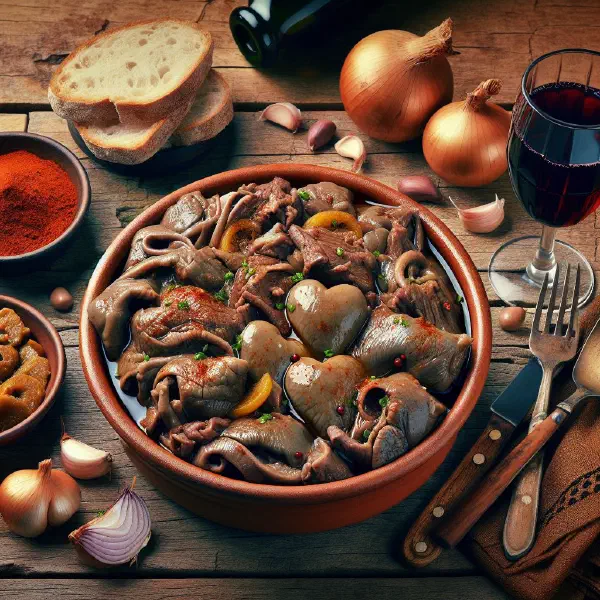
National Dish Spain: Callos Extremeños (Recipe)
In this article
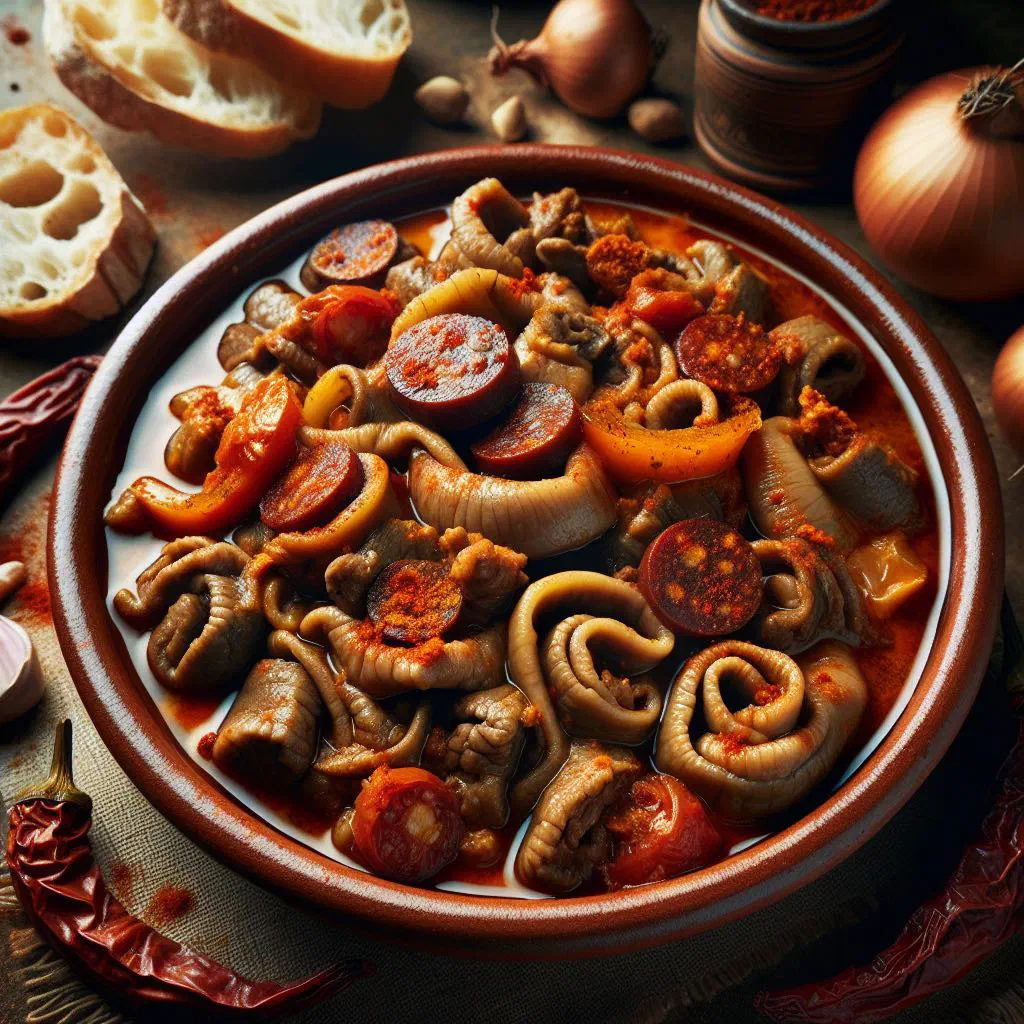
Discover Callos Extremeños, a soulful slow-cooked stew from the heart of Spain. This hearty dish brings together tender tripe and a rich, aromatic tomato sauce, gently coaxed into flavour with paprika and cumin. It is the kind of generous, rustic cooking that suits a lively gathering or a leisurely Sunday lunch. Bring a little of Spain to your own table and let its warm, intense aromas fill the kitchen.
About Callos Extremeños
Callos Extremeños is a hearty dish with its roots in the region of Extremadura in western Spain. At its heart is tender tripe, simmered slowly with a generous blend of spices and a fragrant tomato sauce. It is more than just a meal. It is a symbol of Spain’s passionate, big-hearted cooking, and a natural fit for sociable get-togethers and special occasions. Dive into the intense flavours of this delicious dish and bring a piece of Spain to your table.
Ingredients (serves 1–2)
- 300 g tripe
- 1 onion
- 2 cloves of garlic
- 400 g tomatoes (fresh or tinned)
- 1 teaspoon paprika
- 1 teaspoon cumin
- Olive oil
- Salt and pepper, to taste
Shopping for the ingredients
For the best results, it is worth buying the ingredients for Callos Extremeños at a local supermarket or, even better, a farmers’ market. Take care to choose fresh tripe of good quality so you capture its full flavour. The tomatoes should be ripe and juicy, as they form the base of the sauce. The spices are key to the dish’s authenticity, so reach for good-quality versions wherever you can.
Preparing the dish
Before you start cooking, rinse the tripe thoroughly to remove any residue. Finely chop the onion and the garlic cloves so they distribute evenly through the dish. The tomatoes can be either diced or puréed, depending on the texture you prefer. Careful preparation is the key to a truly flavoursome result.
Step-by-step instructions
- Heat the olive oil in a large pot and gently sweat the finely chopped onion and garlic until golden brown.
- Add the tripe and fry for a few minutes until it takes on a little colour.
- Stir in the diced tomatoes and the spices (paprika, cumin, salt and pepper) and combine everything well.
- Cover the pot and let the dish simmer over low heat for around 45 minutes, until the tripe is tender.
Gluten-free / lactose-free version
Callos Extremeños is naturally gluten-free and lactose-free, as it contains none of these ingredients. Even so, do check that the spices and olive oil you use do not hide any sources of gluten or lactose. That makes this dish an excellent choice for anyone with a food intolerance who still wants to enjoy the flavours of Spanish cooking.
Tips for vegans and vegetarians
Although Callos Extremeños is traditionally made with tripe, you can create vegan or vegetarian alternatives using plant-based proteins such as tofu or seitan. These stand-ins can be prepared in much the same way as the tripe, so you keep that hearty flavour. You can also experiment with plenty of vegetables to build a rich, nutritious version of the dish.
More tips and tricks
To make the dish even tastier, you can add some diced chorizo or bacon for an extra layer of flavour, much as you would in Chorizo a la Parrilla. Another idea is to finish the stew with a scattering of parsley or coriander for a fresh accent. Every time you make Callos Extremeños you can try different spices to vary its rich, savoury character.
Adapting the recipe to your taste
The flexibility of this recipe lets you tailor it to your own preferences. Like it hot? Add a few chilli flakes or some fresh chillies. If you prefer fruitier notes, you can work in extra peppers or olives. Each element can be adjusted individually, so there are always new flavours to discover.
Ingredient substitutions
If you struggle to find tripe, or simply do not care for it, you can use beef brisket or lamb instead. These variations bring their own special character to the dish and are easier to come by in many areas, the kind of slow-cooked meat that also shines in a Caldereta de Cordero. For the tomato sauce, you can also use passata when fresh tomatoes are out of season.
Drink pairing ideas
A hearty dish like Callos Extremeños goes especially well with Spanish red wines, which complement the flavours of the food. A robust Rioja or a Tempranillo makes an excellent companion. For those who like something lighter, a Spanish mineral water or a glass of fruity red is a refreshing choice.
Serving and presentation ideas
Presentation can make all the difference to the finished impression. Serve Callos Extremeños in an attractive bowl and garnish it with freshly chopped parsley, with a spoonful of soured cream on the side if you like. A few slices of crusty bread make an ideal accompaniment for mopping up the delicious sauce. Make sure the colours and textures shine when you serve, so your guests are treated to a festive spread.
A bit of history
Callos Extremeños has a long tradition in Spanish culture and is often associated with rural life. It was originally cooked by country families as a way to keep costs down while making the most of nourishing ingredients. The combination of tripe and spices reflects the regional identity and culture of Extremadura. The dish shows how even humble ingredients can be turned into hearty masterpieces in Spanish cuisine, much like the rustic shepherds’ fare of Migas de Pastor.
More recipe ideas
Summary: Callos Extremeños
Callos Extremeños is far more than just a dish; it is a culinary experience that reflects the warmth of Spanish tradition. The blend of tender tripe, aromatic spices and a rich tomato sauce makes it the perfect choice for special occasions or sociable gatherings. With a few simple tweaks and variations, you can shape this dish to suit your own personal taste. Bring the flavour of Spain to your table and let the passion of Spanish cooking work its magic.