National Dish Spain: Carne de Membrillo (Recipe)
In this article
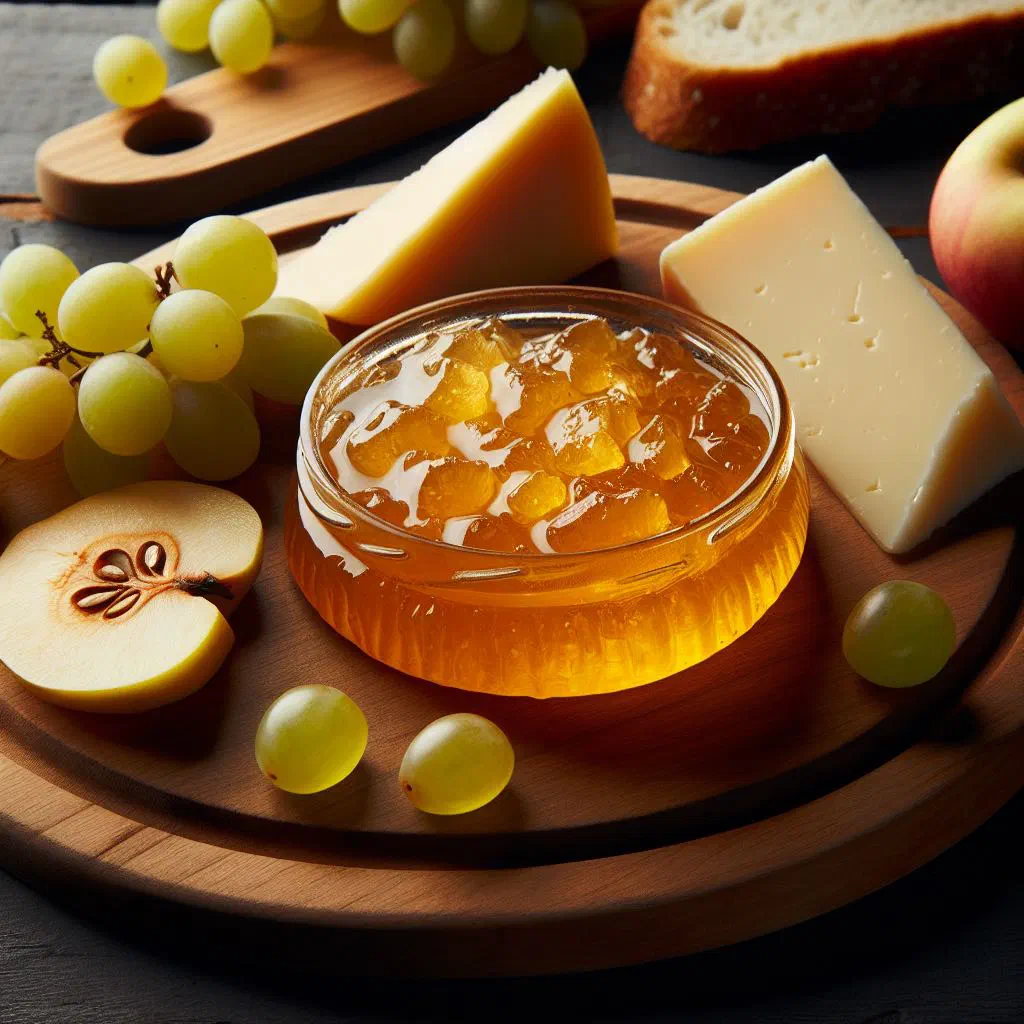
Meet Carne de Membrillo, Spain’s much-loved quince paste with a deep ruby glow and a sweet, fragrant bite. This silky-smooth fruit jelly is a fixture on Spanish cheeseboards, where its honeyed flavour plays beautifully against salty cheese. Equally happy as a dessert or a mid-afternoon snack, it is one of those simple traditional treats that turns a handful of humble quinces into something genuinely special. Bring a little corner of Spain to your own kitchen.
About Carne de Membrillo
Carne de Membrillo is a traditional Spanish quince paste that is cherished not only in Spain but in many other countries too. It has a sweet, fruity character that pairs perfectly with cheese, and especially with a tangy sheep’s cheese such as Manchego. Its velvety texture also makes it a thoroughly enjoyable snack to nibble on between meals. In Spanish culture this is more than just a dessert: it appears at countless celebrations and festive gatherings, and is a beloved part of the country’s sweet repertoire.
Ingredients (serves 1–2)
- 2 ripe quinces
- 1 cup sugar
- 1/4 cup water
- A squeeze of lemon juice
- Optional: cinnamon or cloves for extra flavour
Shopping for the ingredients
When shopping for carne de membrillo, it is worth paying attention to the quality of the quinces. Choose fruit that is ripe but not overripe, so you get the best flavour and the right texture. The sugar should be fresh too, as it provides the main sweetness of the dish. Alongside the basic ingredients you can pick up extra spices such as cinnamon or cloves, which lend the paste a special, warming note.
Preparing the dish
To start making carne de membrillo, the quinces first need to be washed thoroughly and peeled. Next, cut them into small pieces, which makes them quicker to cook and gives a smoother final consistency. Removing the cores is important too, so you end up with a silky paste. Keep a squeeze of lemon juice to hand to stop the quinces browning while you work your way through the preparation.
Step-by-step instructions
- Tip the peeled and diced quinces into a large pan.
- Add the sugar and water, and bring everything to the boil over medium heat.
- Let the mixture simmer for around 30 minutes, until the quinces are soft.
- Blitz the mixture with a stick blender until you have a smooth consistency.
- Pour the paste into a prepared mould and leave it to cool and set.
Gluten-free / lactose-free version
Carne de membrillo is naturally gluten-free and lactose-free, which makes this recipe ideal for anyone with intolerances. It is worth making sure that all your ingredients, and the sugar in particular, contain no hidden gluten or dairy. Once you have checked that, you can enjoy this delicious fruit paste with complete peace of mind, whether on its own or alongside your favourite Pastel Vasco.
Tips for vegans and vegetarians
For vegans, carne de membrillo is a wonderful option, as it contains no animal products whatsoever. When buying sugar, look out for unrefined varieties, which are often vegan-friendly. Cinnamon or other spices can add extra aromas that sit well within plant-based cooking. Enjoy the paste as a tasty snack, or spread it onto a vegan cheese for a harmonious combination.
More tips and tricks
To achieve the perfect texture for carne de membrillo, take care not to overcook the quinces, or the paste can turn too thick and stiff. To test the consistency, drop a little of the mixture onto a cold plate and watch whether it sets. A silicone mould also makes it much easier to turn out the finished paste cleanly. With a touch of creativity you can even introduce extra flavours, for example by adding a few fresh herbs.
Adapting the recipe to your taste
The recipe for carne de membrillo is easy to adjust to suit different palates. If you prefer it less sweet, you can simply reduce the amount of sugar or reach for alternative sweeteners. Adding various spices can bring an exciting twist, too. Experiment with flavours such as vanilla or orange to discover your own personal favourite version.
Ingredient substitutions
If you cannot get hold of quinces, it is perfectly possible to try the recipe with other fruits such as apples or pears. These alternatives will give a slightly different taste experience, but the result will still be delicious, much like the fruity charm of a Bizcocho de Naranja. For a lighter version you can use less sugar, or try sweeteners such as honey or agave syrup. Do bear in mind that you may need to adjust the cooking time, as different fruits release different amounts of liquid and contain varying levels of sugar.
Drink pairing ideas
A delicious paste like carne de membrillo is best enjoyed with refreshing drinks alongside. A good glass of wine, and a Spanish red in particular, goes wonderfully with cheese and quince paste. Lighter options such as hibiscus tea or sparkling mineral water make ideal companions too. For a festive touch you might add a splash of sparkling wine or cava, which brings a lively, fizzy finish to the whole affair.
Serving and presentation ideas
To present carne de membrillo beautifully, arrange the cubes of paste on a large platter or board. Decorate the display with fresh fruit or nuts, and a few leaves of fresh mint will add an elegant flourish. A spread like this not only impresses your guests but turns the meal into a real occasion. Try it as part of a tapas table next to a few Sardinas Asadas.
A bit of history
The tradition of carne de membrillo stretches all the way back to Roman times. In several cultures, and especially around the Mediterranean, turning quinces into paste was a common way of preserving the fruit. In Spain the recipe has been refined over generations, and today it is a much-loved element of Spanish cuisine. Historically, quince paste was prized as a valuable food that kept well for a long time, making it a dependable staple in households both grand and humble. It remains a proud part of Spanish cuisine to this day.
More recipe ideas
Summary: Carne de Membrillo
Carne de membrillo appeals to with its wonderfully straightforward method and with a flavour that gently stirs the senses. It is a lovely way to bring a taste of Spanish culture into your own kitchen. A snack or a companion to cheese, this quince paste is a genuine treat. Have a go at making it yourself and dive into the sweet, fragrant world of quinces.