National Dish Spain: Coca (Recipe)
In this article
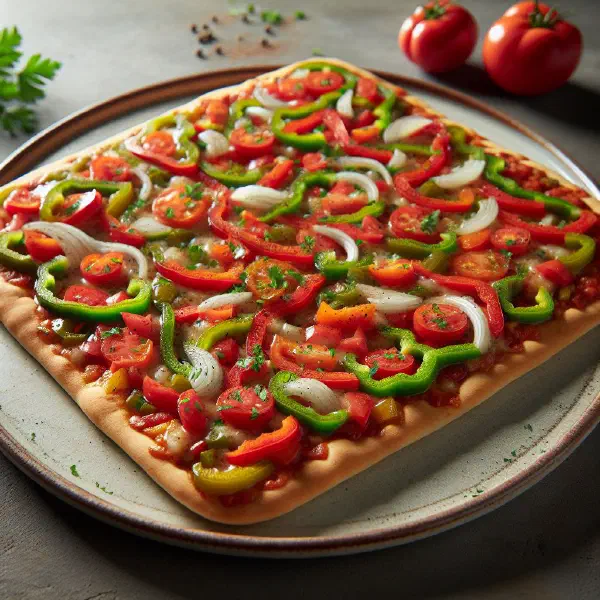
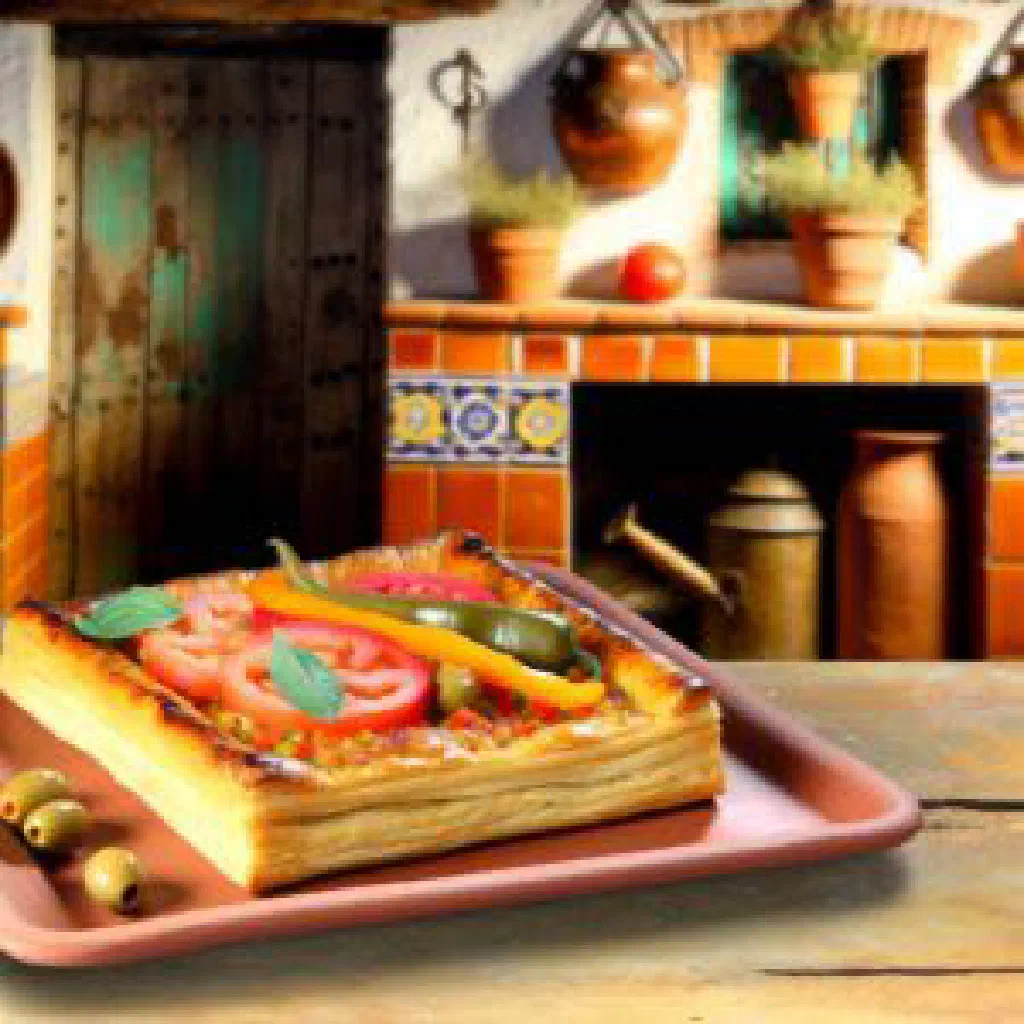
Discover Coca, one of Spain’s most charming Mediterranean breads. This rustic flatbread comes with a crisp, golden base and a generous scattering of fresh toppings, and it can be made savoury or sweet to suit the occasion. Born in the kitchens of Catalonia, it has long since won over food lovers right across the country. Simple to put together yet endlessly versatile, coca is the perfect centrepiece for a relaxed, sociable evening with friends.
About Coca
Coca is a traditional Spanish tapas speciality, loved for its variety and its sheer simplicity. This delicious, often flat bread can be prepared either sweet or savoury, depending on the region and personal taste. It originally hails from Catalonia, but over time it has captured the hearts of food enthusiasts all across Spain. In this article we present a classic recipe for a savoury coca that is easy to make and incredibly tasty.
Ingredients (serves 1–2)
- 250g flour
- 150ml water
- 10g fresh yeast
- 50ml olive oil
- 1 tsp salt
- Topping of your choice (e.g. tomatoes, peppers, onions, olives)
Shopping for the ingredients
The ingredients for coca are easy to come by and usually available in most supermarkets. Fresh vegetables such as tomatoes and peppers, good-quality flour and olive oil all help you get the best result. Be sure to buy fresh yeast to guarantee a good dough. For the topping you can vary things to suit your tastes and make the most of seasonal vegetables.
Preparing the dish
Begin by mixing the flour and the salt together in a large bowl. Dissolve the yeast in lukewarm water and add it to the flour mixture. Pour in the olive oil and knead the dough until it is smooth and supple. Cover the bowl with a damp cloth and leave the dough to rise in a warm spot for about an hour.
Step-by-step instructions
- Preheat the oven to 200°C (conventional heat).
- Roll the dough out thinly on a floured surface.
- Place the dough on a baking tray lined with greaseproof paper.
- Spread your chosen topping evenly over the dough.
- Bake the coca for about 20–25 minutes, until the base is golden brown.
- Remove from the oven and let it cool briefly before serving.
Gluten-free / lactose-free version
For the gluten-free version you can simply use gluten-free flour. Make sure that all the other ingredients, such as the yeast, are gluten-free too. For a lactose-free preparation no adjustment is needed, as traditional coca contains no dairy at all. If you do plan a topping with cheese, however, reach for a lactose-free cheese.
Tips for vegans and vegetarians
This recipe for coca is naturally vegan, as long as no animal products are used for the topping. For a purely vegetarian version you can of course add vegetables and a little vegetarian cheese. Herbs and spices such as oregano and basil bring extra flavour notes to the finished bread.
More tips and tricks
A useful tip is to roll the dough out thinly so it bakes up nice and crisp. Let the dough rise properly so it reaches the right consistency. Experiment with different vegetables and discover your favourite combinations. A squeeze of lemon juice over the topping before baking can add a fresh, bright note. The same crisp, oven-baked spirit shines in Hojaldres de Espinacas y Queso.
Adapting the recipe to your taste
The recipe is easy to adjust to personal preference. Spicy versions can be created by adding chilli or hot paprika. If you prefer a sweet coca, swap the vegetables for fruit such as figs or apples and a pinch of sugar. The combination of sweet and savoury is also very popular and well worth trying.
Ingredient substitutions
If you dislike or cannot tolerate certain ingredients, there are plenty of alternatives. Instead of olive oil you can use rapeseed oil, which also delivers a good flavour. With the topping your creativity has free rein: try courgette instead of peppers, or use mushrooms for an earthier note. Feta or goat’s cheese can make an interesting flavour addition too, much as it does in Pimientos del Bierzo.
Drink pairing ideas
A whole range of drinks pairs nicely with a savoury coca. A good Spanish red wine, such as a Rioja, harmonises perfectly. A cold beer also works well, especially in summer. If you prefer something alcohol-free, reach for a refreshing lemonade or a light herbal tea.
Serving and presentation ideas
To present your coca attractively, cut it into small rectangular pieces. Serve the pieces on a rustic wooden board for an authentic look. Garnish with fresh herbs such as basil or rocket, which provide a lovely colour contrast. A small dish of aioli for dipping rounds off the presentation beautifully, just as it accompanies Sepia con Alioli.
A bit of history
The coca has a long tradition in Catalan cuisine, where it is regarded as a staple food. Originally it was a way of using up leftover bread dough, which was then topped with various ingredients. These days it is found in countless variations right across the country, and it is a proud part of Spanish cuisine. In Valencia and the Balearic Islands in particular, the coca holds a firm place in the local kitchen.
More recipe ideas
Summary: Coca
Coca is a wonderfully versatile and simple Spanish tapas speciality that adapts beautifully to all kinds of tastes. With just a handful of ingredients and a few easy-to-follow steps, anyone can make this little treat. Its many possibilities for adaptation make coca a flexible dish for every occasion. Whether savoury or sweet, traditional or modern, coca is always a pleasure.