National Dish Spain: Cochinillo Segoviano (Recipe)
In this article
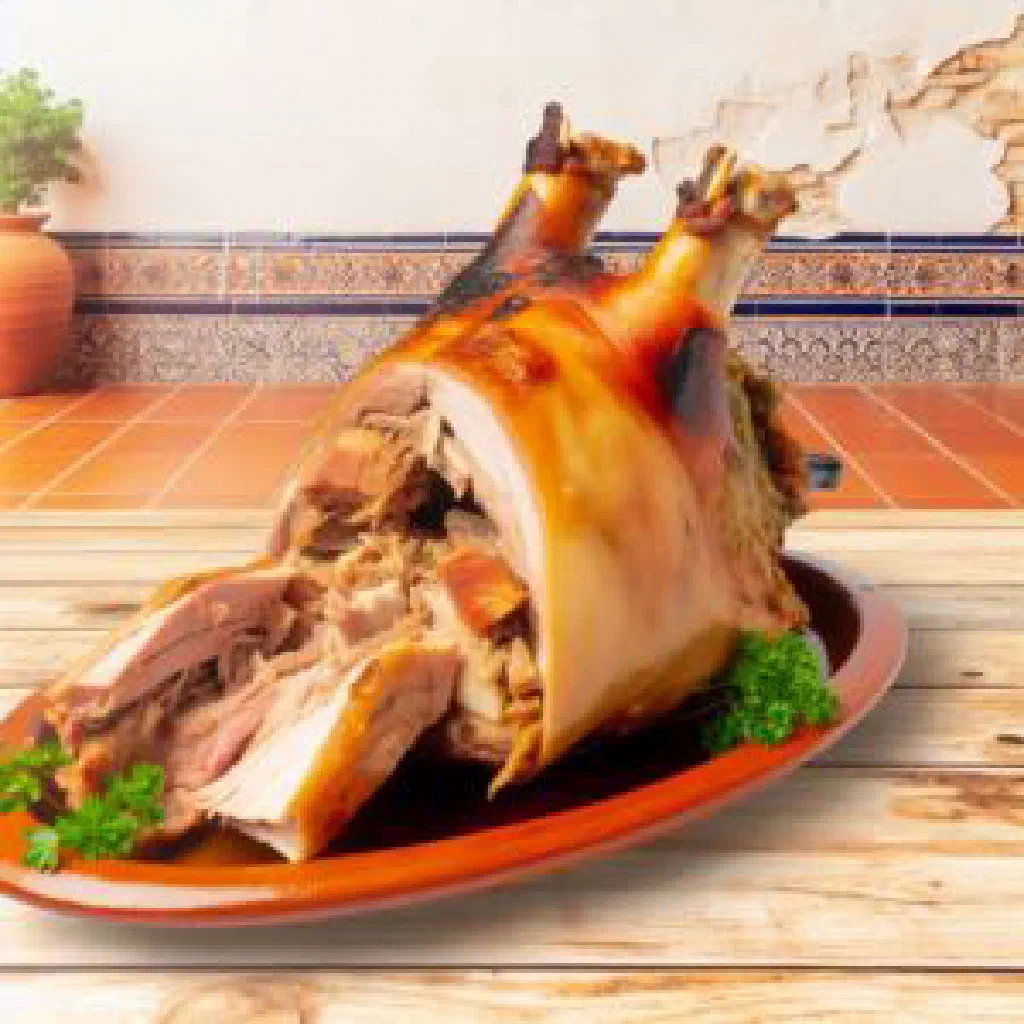
Meet Cochinillo Segoviano, one of Spain’s most celebrated festive dishes. This golden roast suckling pig is renowned for its impossibly crisp crackling and meltingly tender meat. Born in the historic city of Segovia, it has long been the centrepiece of weddings, feasts and special gatherings. With just a handful of ingredients and a slow, patient roast, you can bring a true taste of Castilian tradition to your own table.
About Cochinillo Segoviano
Cochinillo Segoviano is far more than a meal; it is a symbol of Spanish gastronomy with its roots firmly in the region of Segovia. This tender suckling pig is prized for its crisp, crackling skin and its juicy, aromatic meat. Traditionally the pig is roasted in a special wood-fired oven, which guarantees even cooking and a beautifully golden crust. Regarded as a genuine delicacy, it takes pride of place at festive occasions and is one of the great showpieces of Spanish cuisine.
Ingredients (serves 1–2)
- 1 small suckling pig (approx. 2–3 kg)
- Salt
- Pepper
- Garlic (optional)
- Olive oil
- Water
Shopping for the ingredients
When shopping for the ingredients for Cochinillo Segoviano, it is essential to choose a high-quality suckling pig. Visit trusted butchers or markets that specialise in regional produce, and make sure the meat is as fresh and as carefully handled as possible. Alongside the pig you will need only a few basics such as salt and pepper, which bring out the natural flavour of the dish. As with a good Lomo a la Plancha, the quality of the pork makes all the difference.
Preparing the dish
Preparing the dish properly is the key to a perfect result. First, clean the suckling pig thoroughly and remove the offal if you do not intend to cook it. Next, season the meat inside and out with salt and pepper. An optional addition of crushed garlic lends extra depth of flavour. Leave the pork to marinate for a few hours so it can absorb the seasoning fully before it goes into the oven.
Step-by-step instructions
- Preheat the oven to 160°C and place the suckling pig in a roasting tin.
- Brush the meat with olive oil and scatter over a little extra salt.
- Pour some water into the tin to stop the meat from drying out.
- Roast the pig for around 2 to 3 hours, until the skin is golden and crisp.
- Baste regularly with the rendered fat to keep the meat succulent.
- Once roasted, take the meat from the oven and let it rest briefly before serving.
Gluten-free / lactose-free version
Cochinillo Segoviano is naturally gluten-free and lactose-free, which makes it an excellent choice for anyone with these intolerances. When preparing it, simply make sure that any seasonings and oils you use are also free from gluten and lactose. Avoid ready-made products and reach for fresh, natural ingredients instead. That way nothing stands between you and a worry-free feast.
Tips for vegans and vegetarians
Although Cochinillo Segoviano is a traditional meat dish, there are alternatives for vegans and vegetarians. In place of the suckling pig you could use a hearty vegetable roast or plant-based meat alternatives, seasoned and prepared in much the same way to create an equally satisfying, festive centrepiece. Remember to adapt the side dishes too, and feel free to experiment with colourful seasonal vegetables, much as you would for Espinacas con Garbanzos.
More tips and tricks
A few simple tips and tricks can raise the quality of your Cochinillo Segoviano considerably. Make sure the pig is brought up to room temperature before roasting, as this helps it cook more evenly. You might also use a roasting tin with a lid if you want the meat to steam gently first and then crisp up at the end. Above all, the real secret lies in managing the oven heat carefully to achieve that prized golden colour.
Adapting the recipe to your taste
Adapting the recipe to your taste could not be easier. Try refining the seasoning with herbs such as rosemary or thyme, for instance. The cooking method can be varied too, so you can incorporate different roasting or grilling styles to suit your kitchen.
Ingredient substitutions
If you do not have all the ingredients to hand, there are plenty of substitutions you can use. In place of olive oil, sunflower oil or rapeseed oil work perfectly well. If fresh garlic is unavailable, garlic powder makes a fine stand-in. The main thing is to keep the seasoning balanced so you preserve the authentic flavour of the Cochinillo, the same principle that guides a classic Chuletas de Cerdo a la Riojana.
Drink pairing ideas
There are many delicious drink pairing ideas for Cochinillo Segoviano. Traditionally a good Spanish red wine such as Ribera del Duero or Tempranillo is recommended to complement the rich flavours of the dish. Alternatively, you could serve a crisp cava or a light beer. The choice often comes down to personal taste and the time of year, but a well-matched drink can lift the whole dining experience considerably.
Serving and presentation ideas
Thoughtful presentation is crucial to the overall impression of a Cochinillo. Serve the suckling pig on a large wooden board, garnished with fresh herbs and seasonal vegetables. A beautifully arranged platter shows off the dish and leaves your guests eager to tuck in. Be sure to display the pig well and highlight the crisp crackling, as this is one of the great pleasures of the meal.
A bit of history
The history of Cochinillo Segoviano reaches back to the Middle Ages, when roast suckling pig was a dish reserved for special occasions. In the region of Segovia it is often served at weddings and festivals. The distinctive cooking method has been passed down through generations and has become a firmly established part of Spanish food culture. Cochinillo is regarded as a treasured legacy of regional cooking that appeals to locals and visitors alike, sharing its roasting tradition with dishes like Cabrito al Horno.
More recipe ideas
Summary: Cochinillo Segoviano
In short, Cochinillo Segoviano is well worth setting aside a weekend for, pleasing with both its crisp crackling and its aromatic meat. The preparation comes down to a few simple steps that anyone can master with a little practice. Whether as a banquet or for a special occasion, this dish brings the tradition of Spanish cooking straight to your plate. Do not miss out on this flavourful experience, give it a try for yourself.