National Dish Spain: Crema Catalana (Recipe)
In this article
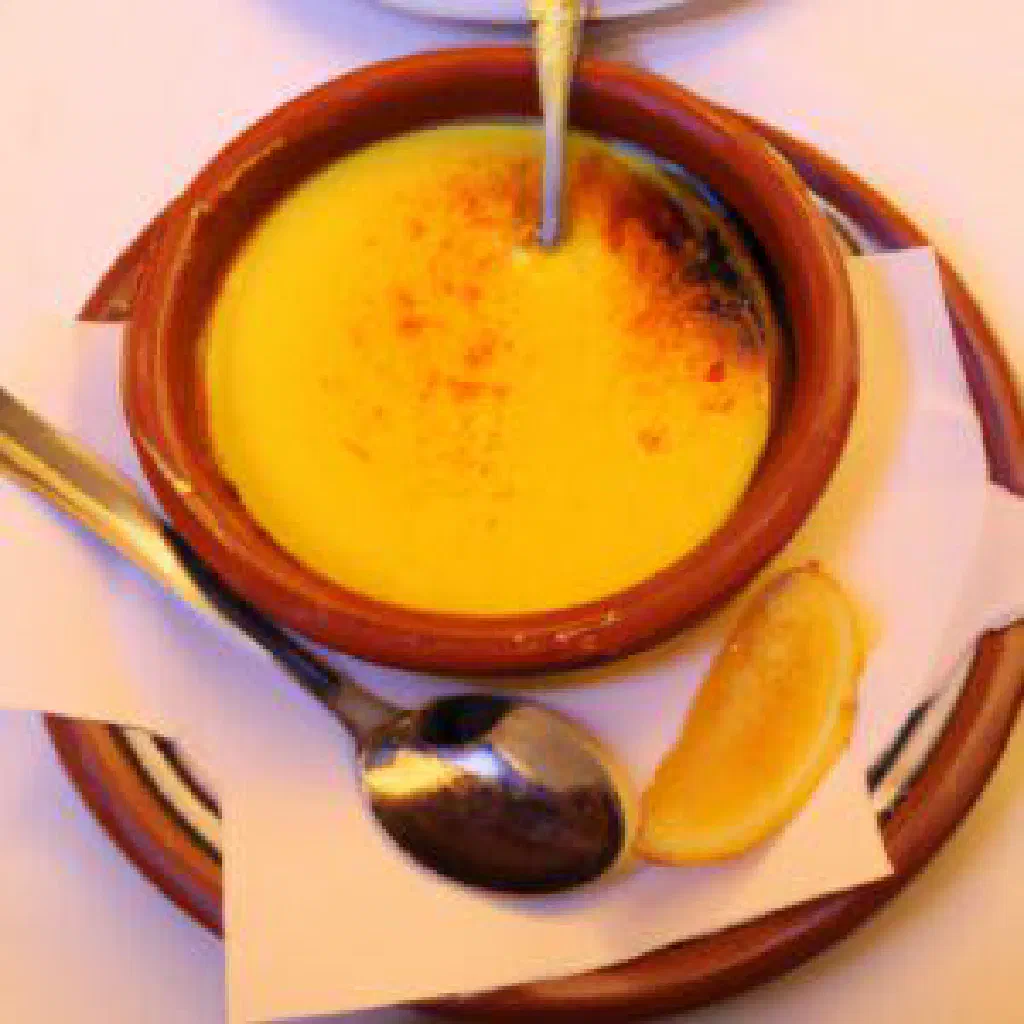
Meet Crema Catalana, the silky custard dessert that Catalonia has cherished for centuries. Beneath a brittle, golden sheet of caramelised sugar lies a velvety cream scented with cinnamon and lemon, a partnership of textures that appeals to with every spoonful. Often compared to the French crème brûlée, this simple yet elegant pudding is surprisingly easy to make at home. Treat yourself to a taste of sunny Spain straight from your own kitchen.
About Crema Catalana
Crema Catalana is a traditional dessert from Spain, and above all from the region of Catalonia. It is defined by its creamy texture and its crisp, caramelised topping. Much like the French crème brûlée, it is an absolute treat for the palate, yet it carries its own distinctive character thanks to the warm notes of cinnamon and citrus. Let yourself be charmed by this simple yet elegant recipe, a dish that turns even an ordinary evening into something a little special.
Ingredients (serves 1–2)
- 250 ml milk
- 50 g sugar
- 2 egg yolks
- 1 teaspoon cornflour
- 1 cinnamon stick
- Zest of 1 lemon
- A few tablespoons of sugar, for caramelising
Shopping for the ingredients
When sourcing the ingredients for crema catalana, it pays to focus on quality. Use the freshest eggs and good whole milk to achieve the best possible flavour. Pick up fresh lemons, as their zest is especially fragrant and lifts the whole dessert. The sugar, too, should be finely ground so that it melts into an even, glassy caramel layer on top.
Preparing the dish
Before you begin, make sure you have all the necessary equipment to hand. This includes small bowls or ramekins, a whisk and a sieve. Prepare the ingredients by grating the lemon zest and measuring out the sugar and cornflour. Keep the cinnamon stick ready so you can drop it straight into the milk as it warms.
Step-by-step instructions
- Warm the milk together with the lemon zest and the cinnamon stick until fragrant, then remove the cinnamon stick and the zest.
- In a bowl, whisk the egg yolks with the sugar and cornflour until smooth.
- Slowly pour the warm milk into the egg mixture, stirring constantly so the eggs do not scramble.
- Return the mixture to the pan and cook over medium heat, stirring all the while, until it thickens.
- Pour the cream into small bowls and leave to cool completely.
- Just before serving, scatter a thin layer of sugar over the surface and caramelise it with a kitchen blowtorch or under the oven grill.
Gluten-free / lactose-free version
For a gluten-free crema catalana, simply use a certified gluten-free cornflour. If you would like to enjoy this dessert lactose-free, swap the milk for a lactose-free version or a plant-based milk such as almond or oat. Bear in mind that the flavour may shift slightly, but the creamy texture that makes this pudding so good will stay beautifully intact.
Tips for vegans and vegetarians
To create a vegan version of crema catalana, the egg yolk needs to be replaced. Use a plant-based starch together with plant-based milk, and a little agar-agar can help you reach exactly the right set. With these swaps you can make sure everyone, vegans included, gets to enjoy this sweet treat at the table.
More tips and tricks
Take care not to overcook the cream, or it will turn too thick and lose its silkiness. For the topping, a kitchen blowtorch gives the most even, professional finish. If you do not own one, the oven grill works too, but watch it closely, the sugar burns in seconds. You can also experiment with flavours such as vanilla or orange to give the dessert a personal touch.
Adapting the recipe to your taste
Crema catalana is wonderfully easy to personalise. If you love citrus, add a little orange zest alongside the lemon. For extra depth, stir a hint of anise or a splash of liqueur into the milk as it warms. Play with the aromatics until you create your ideal crema catalana, one that suits your palate exactly, much as you might fine-tune the syrup in a batch of Filloas.
Ingredient substitutions
If you do not have a cinnamon stick to hand, ground cinnamon works just as well. Other citrus peels, such as orange or lime, can stand in for the lemon zest. In place of cornflour you can use potato starch, though the set may come out slightly different. Experiment with these alternatives to adapt the dessert to whatever you have in the cupboard, the same resourceful spirit that gives Bizcocho de Naranja its bright orange flavour.
Drink pairing ideas
A delicate crema catalana goes beautifully with Spanish dessert wines such as a Muscatel or a Pedro Ximénez. A strong espresso or a creamy cappuccino also harmonises splendidly with the sweet cream. For an alcohol-free option, reach for a glass of freshly squeezed orange juice or a fragrant herbal tea to round off the meal.
Serving and presentation ideas
Serve the crema catalana in small, prettily decorated bowls so the eye is treated as well as the palate. A few fresh berries or a mint leaf make an elegant garnish, while caramel shards or chocolate curls can refine the experience further. Present the bowls on a smart tray to impress your guests, much as you might plate a slice of Pastel Vasco for a special occasion.
A bit of history
Crema Catalana has a long tradition in Catalonia and is often served on 19 March, the feast day of Saint Joseph. Historically it is one of the oldest documented desserts in Europe. It began life as a kind of milk pudding, with the caramelised sugar crust arriving only later. This dessert is a symbol of the culinary variety and richness of Spanish cuisine, a heritage it shares with festive bakes like Roscón de Reyes.
More recipe ideas
Summary: Crema Catalana
Crema catalana is a wonderfully creamy dessert crowned with a crisp caramel crust. Simple to prepare and easy to adapt, it suits both festive occasions and everyday indulgence alike. With the right ingredients and a few handy tips and tricks, this Spanish classic comes together reliably, winning everyone over with its fine flavour and elegant presentation. Give it a try, one cracked spoonful of that golden top, and you will be hooked.