National Dish Spain: Fabada Asturiana (Recipe)
In this article
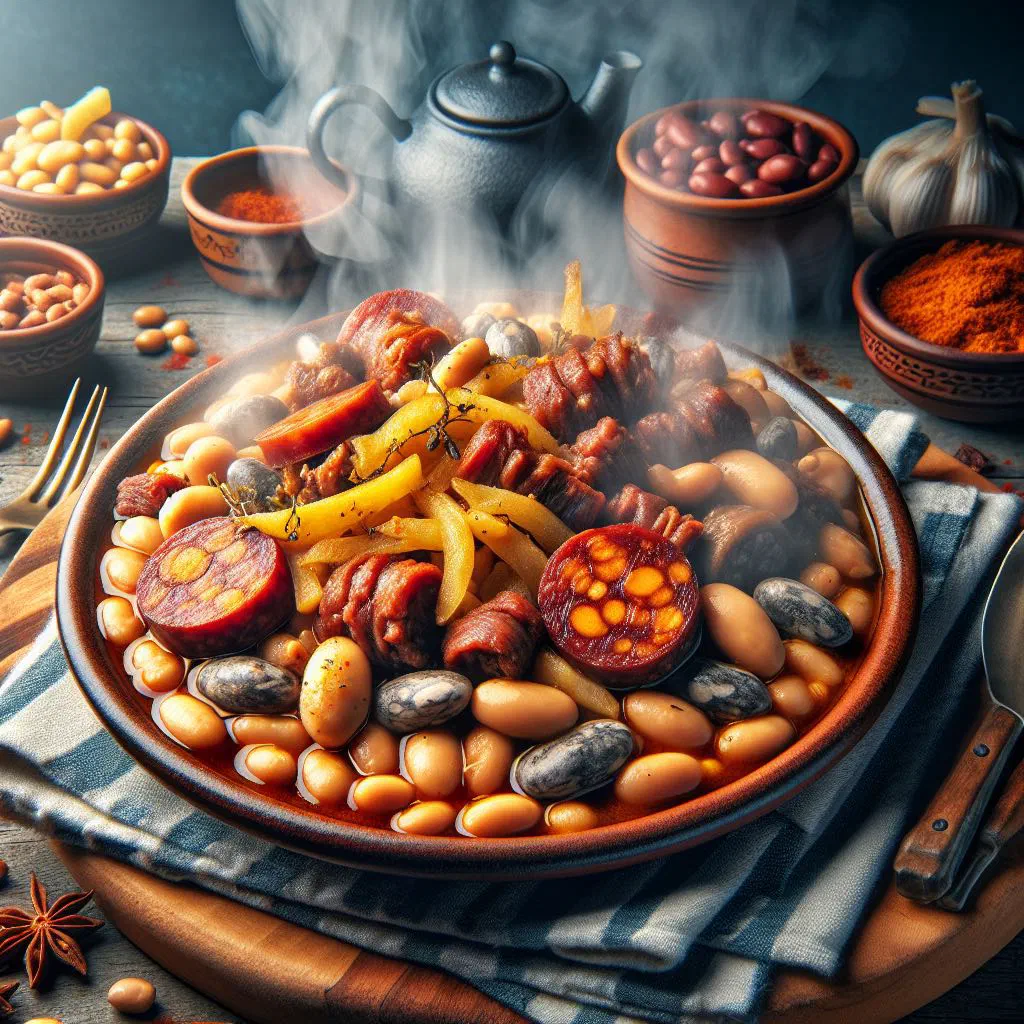
Discover Fabada Asturiana, Spain’s much-loved bean stew from the northern region of Asturias. This rich, warming dish brings together creamy white beans, smoky chorizo, dark morcilla and tender pork in one deeply satisfying pot. Slow-cooked until everything melts into a hearty, full-flavoured stew, it is the ultimate comfort food for chilly days and convivial gatherings. Bring a true taste of northern Spain to your own table.
About Fabada Asturiana
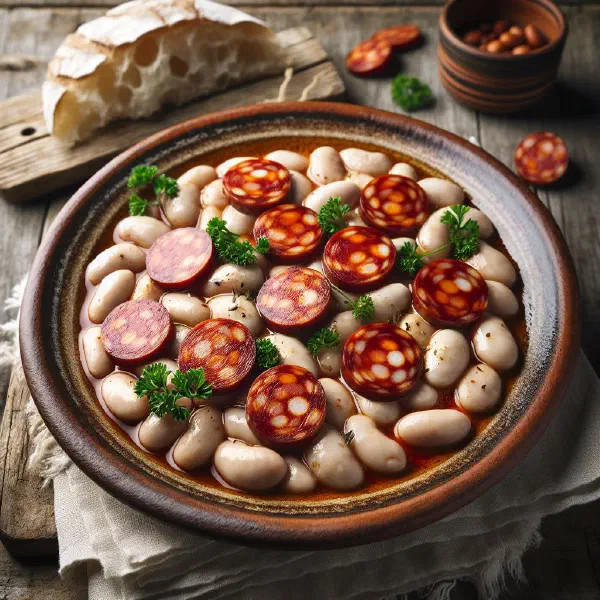
Fabada Asturiana is a traditional dish from the region of Asturias in northern Spain. It is a hearty bean stew that is especially popular during the cold winter months. The classic ingredients include large Asturian white beans, sliced chorizo, morcilla (Spanish blood sausage), pork belly and a pig’s trotter, whose aromatic meat is pulled into bite-sized pieces once the stew has finished cooking. The slow simmering is what gives the dish its signature depth, turning a handful of humble ingredients into something genuinely memorable.
Ingredients (serves 1–2)
- 200 g Asturian white beans (fabes)
- 1 chorizo, sliced
- 1 morcilla (Spanish blood sausage), sliced
- 250 g pork belly, cut into small cubes
- 1 pig’s trotter (optional; leave whole and pull apart after cooking)
- 1 onion
- 2 garlic cloves
- 1 bay leaf
- Salt and pepper
- Olive oil
Shopping for the ingredients
You will find the ingredients for Fabada Asturiana in well-stocked supermarkets and delicatessens. Pay particular attention to the quality of the cured meats, as they have a decisive effect on the flavour of the finished stew. A good Spanish grocer or deli is the best place to track down authentic chorizo and morcilla, and the large Asturian beans can often be ordered online if your local shops do not stock them.
Preparing the dish
The beans should be soaked in plenty of water for at least 12 hours before you start. Chop the onion and the garlic into small pieces. If you are using the pig’s trotter, keep it whole during preparation so that it can release its full aroma during the long, slow cook. A little organisation at this stage makes the rest of the process wonderfully relaxed.
Step-by-step instructions
- Heat a little olive oil in a large pot and fry the onion and garlic until golden brown.
- Add the drained beans, the sliced chorizo, the sliced morcilla, the cubed pork belly and the whole pig’s trotter.
- Cover everything with water, bring the mixture to the boil, then reduce the heat so the stew can simmer gently at a low temperature.
- Add the bay leaf and let the stew simmer for about 2–3 hours, until the beans are soft and all the flavours have come together.
- If you used the pig’s trotter, carefully lift it out of the pot. Pull the tender meat from the bones, cut it into bite-sized pieces and return it to the stew to fold in all that flavour.
- Finally, season to taste with salt and pepper.
Gluten-free / lactose-free version
Fabada Asturiana is naturally gluten-free and lactose-free, which makes it a brilliant choice for guests with dietary needs. The only thing to watch is the sausages: check that the chorizo and morcilla you buy do not contain gluten-based fillers or breadcrumbs, as some brands do. Serve it with a gluten-free bread on the side and everyone can enjoy this hearty dish without compromise.
Tips for vegans and vegetarians
For a vegan or vegetarian version, the meat products can be replaced with smoked tofu and extra seasoning. Paprika and smoked paprika in particular lend the dish a rich, smoky, savoury character that stands in beautifully for the cured sausages. A handful of mushrooms can also add a meaty bite, so the plant-based version loses none of the comforting, full-bodied feel of the original.
More tips and tricks
You can also make the fabada in a slow cooker, which lets the flavours develop even more intensely. Let the beans and meats cook slowly overnight for the very best result. Avoid stirring too vigorously while the stew simmers, as the delicate beans break apart easily, a gentle shake of the pot is enough to keep everything from sticking.
Adapting the recipe to your taste
Depending on your preference, you can add extra spices such as paprika, cumin or saffron to ring the changes. Vegetables like carrots or peppers can also contribute an interesting note. If you enjoy this style of cooking, you might like the bean-and-shellfish version, Fabes con Almejas, which swaps the cured meats for clams.
Ingredient substitutions
If you cannot find the Asturian beans (fabes), you can use other white beans instead. Butter beans or cannellini beans work splendidly as a substitute and give a similarly creamy result. For the cured meats, a good-quality grilled Chorizo a la Parrilla makes an excellent stand-in if a whole soft cooking chorizo is hard to come by.
Drink pairing ideas
A robust Spanish red wine, such as a Rioja or Ribera del Duero, pairs wonderfully with Fabada Asturiana. For alcohol-free alternatives, an intense grape juice or a tart apple juice both work nicely, echoing the cider culture of Asturias. Either way, choose something with enough body to stand up to the richness of the stew.
Serving and presentation ideas
Serve the fabada in rustic, deep bowls and garnish the dish with fresh herbs such as parsley. A warm, crusty bread rounds off the table perfectly and is ideal for mopping up the savoury broth. A simple green salad on the side brings a fresh contrast to the richness of the stew.
A bit of history
Fabada Asturiana has its roots in the region of Asturias in northern Spain. It has been known since the 16th century and has grown over the years into one of the most famous of all Spanish national dishes. Originally it was a simple, rural dish, prized for its abundance and nutritional density, exactly the kind of warming, filling food that defines so much of Spanish cuisine in the cooler north.
More recipe ideas
Summary: Fabada Asturiana
Fabada Asturiana is a savoury, nourishing stew from the Spanish region of Asturias. With its intense flavours and a harmonious combination of beans and meats, including tender pork and the richly flavoured trotter, this dish is ideal for cold days. Small adjustments and alternative ingredients let you tailor the recipe flexibly to your own tastes. Give it a try and bring a piece of Spanish tradition into your kitchen.