National Dish Spain: Fabes con Almejas (Recipe)
In this article
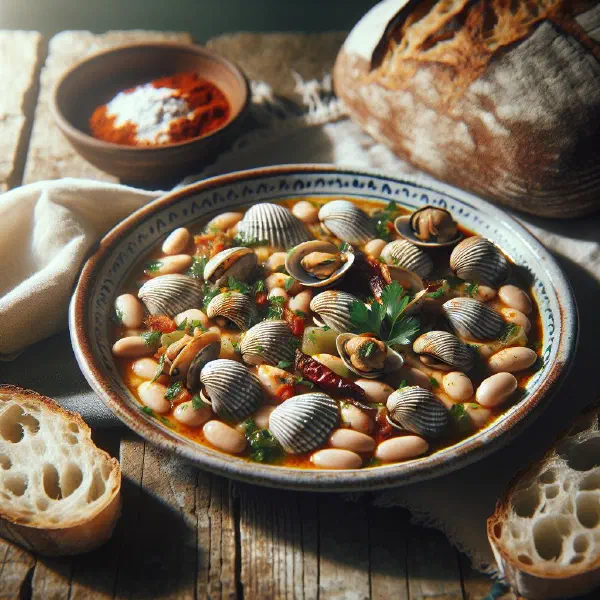
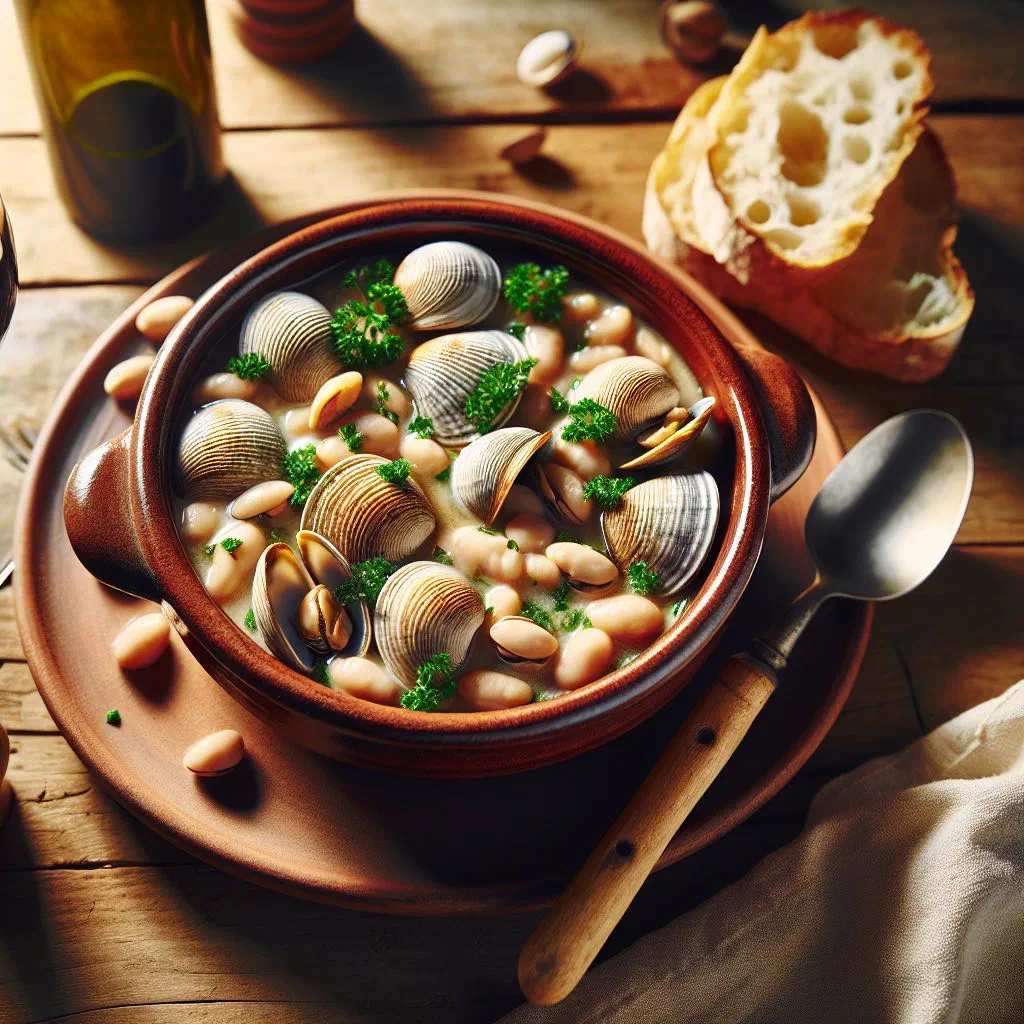
Say hello to Fabes con Almejas, one of Spain’s most comforting coastal classics. This soulful dish brings together tender white beans and plump, fresh clams in a fragrant, savoury broth. Rooted in the kitchens of Asturias and Galicia, it captures the easy generosity of Spanish home cooking, where the bounty of the land meets the riches of the sea. Bring a taste of the Atlantic coast straight to your own table.
About Fabes con Almejas
Fabes con Almejas is a true traditional dish from Spain that appeals to locals and visitors alike. This special plate marries the flavours of the sea with the hearty notes of slow-cooked white beans. It is served especially often across the regions of Asturias and Galicia, where it has become something of a culinary highlight. The combination of fresh clams and tender beans makes this dish a genuine feast for the palate, and a fine example of Spanish cuisine at its most honest.
Ingredients (serves 1–2)
- 200 g white beans (such as Asturian fabes)
- 300 g fresh clams
- 1 small onion
- 2 cloves of garlic
- 1 bay leaf
- Olive oil
- Salt and pepper
- Fresh parsley, to garnish
Shopping for the ingredients
To prepare an authentic fabes con almejas, it is well worth choosing the freshest ingredients you can find. Visit your local market or a trusted delicatessen to track down the best beans and clams. When buying the clams, look for ones that feel fresh and heavy and that close up at a light tap. High-quality produce is the key to a truly delicious result.
Preparing the dish
Before you begin cooking, the white beans should be soaked in warm water for at least 8 hours. This ensures they cook evenly and take on a soft, creamy texture. While the beans soak, rinse the clams thoroughly under cold running water and discard any that are open or damaged. Good preparation is essential to the success of the dish.
Step-by-step instructions
- Bring the soaked beans to the boil in a large pan of fresh water.
- Finely chop the onion and garlic and sauté them gently in olive oil in a separate pan.
- Add the part-cooked beans to the onion mixture along with the bay leaf.
- Steam the clams in another pan with a little water until they have opened.
- Carefully fold the clams through the beans and season with salt and pepper.
- Let the dish sit over low heat for a few minutes so the flavours mingle.
- Garnish with freshly chopped parsley just before serving.
Gluten-free / lactose-free version
Fabes con Almejas is naturally gluten-free and lactose-free, as the main ingredients contain no gluten-based products or dairy. This makes the dish an ideal choice for anyone with food intolerances. Just take care that no other ingredients are added that might contain gluten or lactose.
Tips for vegans and vegetarians
For a vegan version of fabes con almejas, you can simply swap the clams for chopped mushrooms to bring a hearty, umami depth to the broth. Add a good vegetable stock as well to intensify the aromas. The white bean base stays the same and remains the heart of the dish. In this way vegans and vegetarians can enjoy this delicious recipe too, much like the meat-free comfort of Espinacas con Garbanzos.
More tips and tricks
To deepen the flavours in fabes con almejas even further, add a splash of white wine during cooking. This lends a fruity note and lifts the whole dish. You might also experiment with herbs such as thyme or rosemary to introduce fresh layers of flavour. Adjust the cooking time of the beans so they reach exactly the consistency you prefer.
Adapting the recipe to your taste
If you want to adapt the recipe to your own preferences, you can use different varieties of bean to vary the flavour. Red beans, for example, lend the dish a slightly sweeter note. For a spicier version you can add a little chilli or paprika to liven things up.
Ingredient substitutions
If some of the ingredients are not available, there are plenty of alternatives to hand. In place of white beans you can use kidney beans or black beans, both of which taste excellent here. For the clams, consider other seafood such as prawns or pieces of fish, the same coastal spirit you find in Almejas en Salsa Verde or Merluza en Salsa Verde. The important thing is to keep the ingredients fresh so the quality of the dish shines through.
Drink pairing ideas
A cool white wine pairs beautifully with fabes con almejas, especially a crisp Albariño or a bright Rioja. These wines complement both the seafood and the flavour of the beans perfectly. Alternatively, a refreshing beer is a great way to underline the dish’s savoury notes. For alcohol-free options, a flavoured sparkling water or a fresh lemonade works wonderfully.
Serving and presentation ideas
A well-made dish deserves a beautiful presentation. Serve fabes con almejas in elegant deep bowls and garnish with fresh parsley to add a touch of colour. You might also finish it with a slice of lemon to lend the plate an extra hint of freshness. For special occasions, a festive table setting helps set the mood and make the meal feel like an event.
A bit of history
The roots of fabes con almejas reach back into traditional Spanish cooking, where regional ingredients and simple preparation take centre stage. As a dish from Spain’s coastal regions, it reflects the richness and variety of Mediterranean cuisine. It symbolises the close bond between land and sea, bringing together both pulses and fresh seafood. The story of this dish speaks to the cultural importance of regional produce and the culinary traditions passed down from one generation to the next.
More recipe ideas
Summary: Fabes con Almejas
Fabes con Almejas is a delicious national dish of Spain that brings together fresh clams and tender beans. This plate is an expression of Spanish culture and an invitation to gather and share. Its flavours and textures make it a memorable experience. Bring a little Mediterranean cooking into your home and savour every spoonful of this hearty dish.