National Dish Spain: Galician Empanada (Recipe)
In this article
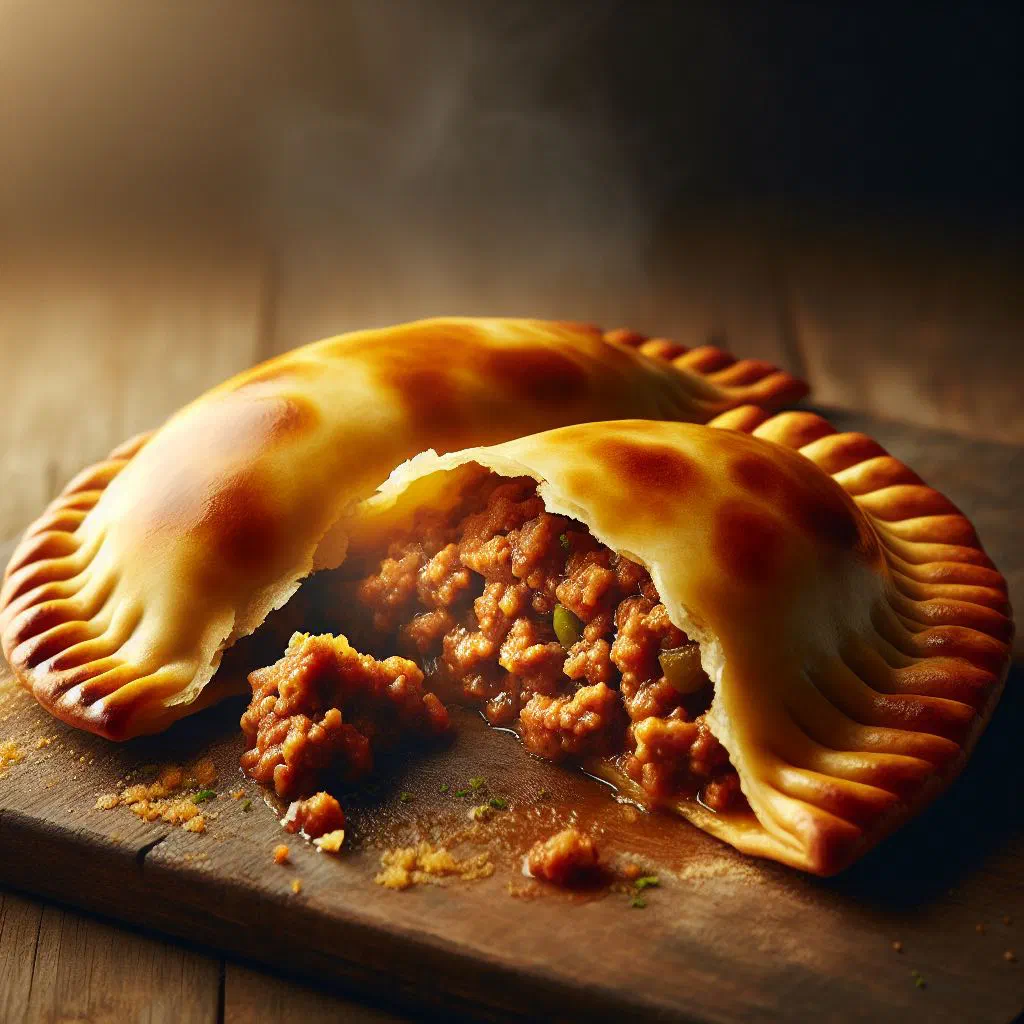
Say hello to the Galician empanada, a savoury filled pie that has been feeding Spanish families for centuries. Tucked between two layers of golden, olive-oil dough sits a generous filling of tuna, sweet peppers and ripe tomatoes, gently cooked until rich and fragrant. Equally good warm from the oven or cold from the picnic basket, it is the kind of unfussy, generous dish that brings everyone to the table. Here is how to bring a slice of Galicia into your own kitchen.
About Galician Empanada
The Galician empanada is a traditional Spanish dish with its roots in the north-western region of Galicia. It takes the form of a large, double-crust pie, most often filled with fish, meat or vegetables and baked until golden in the oven. It is regarded as the perfect picnic food, since it can be enjoyed equally well hot or cold. Hugely popular across Spain, it appears time and again at festivals and family celebrations, where it is sliced into squares and shared among friends.
Ingredients (serves 1–2)
- 250 g plain flour
- 125 ml water
- 50 ml olive oil
- 1 tsp salt
- 1 tsp sugar
- 1/2 sachet dried yeast
- 200 g tuna
- 1 onion
- 2 peppers
- 2 tomatoes
- Salt and pepper
- 1 egg (for glazing)
Shopping for the ingredients
When shopping for the Galician empanada, it pays to keep an eye on the quality of your produce. The fish in particular deserves attention, so reach for fresh tuna where you can or choose a good-quality tinned variety. The same goes for the tomatoes and peppers, where ripe, fresh produce makes all the difference. A bottle of top-notch olive oil lifts the flavour of the whole pie and is well worth seeking out.
Preparing the dish
Before you start cooking, set out all your ingredients and clear a tidy work surface. Begin by chopping the onion, peppers and tomatoes into small, even pieces. It is also a good idea to drain the tuna thoroughly so the filling does not turn watery. Mix the dough in a bowl and give it plenty of time to rest, allowing the yeast to do its work and the dough to rise properly.
Step-by-step instructions
- In a large bowl, combine the flour, yeast, sugar and salt.
- Add the water and olive oil and knead everything into a smooth dough.
- Cover the dough and leave it to rest for about 1 hour.
- Sauté the onion, peppers and tomatoes in a pan with a little olive oil.
- Add the tuna, mix everything together well and season with salt and pepper.
- Divide the dough in half and roll out both halves thinly.
- Lay one half on a baking tray and spread the filling evenly over the top.
- Place the second half on top and seal the edges firmly.
- Brush the surface with beaten egg and bake at 180°C for about 25–30 minutes.
Gluten-free / lactose-free version
For a gluten-free version of the Galician empanada, the wheat flour can be swapped for a gluten-free flour blend. Do check that your yeast is gluten-free as well. Since the dish contains no dairy, it is already naturally lactose-free. If you do decide to add cheese or other dairy products, simply reach for lactose-free alternatives to keep it suitable for everyone.
Tips for vegans and vegetarians
To make a vegetarian or vegan version of the empanada, you can replace the tuna with seasoned tofu or a colourful mix of vegetables. Spinach, mushrooms and courgette all work beautifully here, much like the greens that star in Espinacas con Garbanzos. Vegans should leave out the egg glaze altogether or brush the pie with a plant-based alternative for that golden finish.
More tips and tricks
For an especially crisp crust, pop the rolled-out dough into the fridge for a few minutes before assembling the pie. When it comes to the filling, feel free to be creative and try out different combinations. The key is to keep the filling on the drier side so the dough does not turn soggy underneath. Herbs such as oregano or rosemary add an extra layer of aroma that lifts the whole dish.
Adapting the recipe to your taste
The Galician empanada is easy to tailor to your own preferences. Hearty with Serrano ham, or Mediterranean with a scattering of olives, there is plenty of room to experiment. The shape can vary too, from small, handheld portions to one large pie made for sharing with the whole family. A little experimentation goes a long way.
Ingredient substitutions
If certain ingredients are not to hand, there are plenty of easy swaps. Instead of tuna, you might use chicken breast or beef, much as you would in Berenjenas Rellenas de Carne. The peppers can be exchanged for other vegetables such as courgette or aubergine. Substitutions like these keep the recipe flexible and adaptable to whatever you happen to have in the kitchen.
Drink pairing ideas
A Galician empanada pairs wonderfully with a Spanish red wine such as a Rioja or a Tempranillo. A fresh white wine or an off-dry rosé makes an equally good companion. For alcohol-free options, lemonade, sparkling water or a refreshing herbal tea all complement the pie nicely. The right drink rounds off the whole tasting experience.
Serving and presentation ideas
To present the empanada at its best, cut it into neat, bite-sized squares and arrange them on an attractive serving plate. Decorate the plate with fresh herbs or slices of lemon for a welcome splash of colour. A side of crisp green salad or roasted vegetables sits beautifully alongside and makes the dish look as good as it tastes.
A bit of history
The empanada has a long history in Galician cooking, stretching all the way back to the Middle Ages. It began life as practical fare for sailors and farmers, prized because it travelled well and kept for days. Across Galicia you will find countless regional variations, made with different fillings and types of dough. Today it is a firm fixture of Spanish culture and a proud part of Spanish cuisine, enjoyed in many regions across the country.
More recipe ideas
Summary: Galician Empanada
The Galician empanada is a versatile and thoroughly delicious dish that suits almost any occasion. With simple ingredients and a recipe that is endlessly easy to vary, you can keep discovering new combinations every time you bake. Give it a try and enjoy a piece of Spanish culture in your own home. ¡Salud.