National Dish Spain: Gazpacho (Recipe)
In this article
Meet Gazpacho, the refreshingly cool tomato soup that captures the spirit of a Spanish summer in a single bowl. Blended from ripe tomatoes, crisp cucumber, sweet peppers and a splash of good olive oil, this chilled classic is the answer to a sweltering afternoon. It comes together in minutes, needs no cooking at all, and tastes wonderfully bright and bright. So why wait? Give it a try and let your taste buds celebrate.
About Gazpacho
Gazpacho is a traditional Spanish dish that has been served across Spain and Portugal for centuries. At its heart lies a lively blend of tomatoes, cucumber, onion, garlic, pepper, olive oil and vinegar, whizzed into a smooth, chilled soup. This much-loved recipe is wonderfully simple to prepare and tastes absolutely delicious. It is the perfect summer dish, quick to make and easy to serve, and a shining example of light, sun-soaked cooking. One spoonful and you will understand why it has endured for so long.
Ingredients (serves 1–2)
- 2 medium tomatoes
- 1 medium cucumber
- 1 small onion
- 1 clove garlic
- 1/2 red pepper
- 2 tablespoons olive oil
- 2 tablespoons vinegar
- 1 teaspoon salt
- 1/2 teaspoon pepper
Shopping for the ingredients
When shopping for the ingredients for this gazpacho recipe, it pays to look for freshness and quality above all. Steer clear of frozen tomatoes, cucumber, onion and pepper, and reach for fresh produce instead, ripe, in-season vegetables make all the difference to the finished flavour. Your olive oil and vinegar should also be of good quality, as they carry much of the dish’s character. A trip to a local market is a lovely way to find the very best.
Preparing the dish
Before you start blending the gazpacho, take a few minutes to prepare your ingredients properly. Wash and peel the tomatoes, cucumber, onion and pepper, then remove the seeds and core from the pepper. Chop everything into small pieces so it blends smoothly and evenly.
Step-by-step instructions
- Place the tomatoes, cucumber, onion, garlic and pepper in a blender and blitz to a smooth, homogeneous purée.
- Add the olive oil, vinegar, salt and pepper, then blend once more until fully combined.
- Pour the mixture into a bowl and chill in the fridge for 30 minutes so the flavours can settle.
- Serve the gazpacho in bowls or glasses and enjoy it ice cold.
Gluten-free / lactose-free version
Gazpacho is naturally gluten-free and lactose-free, which makes it an easy choice for almost any guest. The classic blend of vegetables, olive oil and vinegar contains no dairy and no wheat, so there is nothing to swap out. If you like to serve it with bread on the side, simply choose a gluten-free loaf so everyone can enjoy the meal. It is a wonderfully inclusive dish straight off the spoon.
Tips for vegans and vegetarians
Gazpacho is entirely vegan and vegetarian by nature, relying solely on fresh vegetables and a good drizzle of oil. There are no animal products to watch out for, though it is always worth checking the label on shop-bought vinegar to be sure. Fresh, seasonal produce is the secret to an authentic flavour, so pick the ripest tomatoes you can find. This classic suits every plant-based table beautifully.
More tips and tricks
For the best gazpacho, let it chill thoroughly before serving, the soup is at its most refreshing when properly cold. A handful of ice cubes can help it along on a hot day, while a splash more vinegar brightens the whole bowl. Try blending in a slice of stale bread for a thicker, more traditional texture. A final drizzle of olive oil over the top adds both gloss and richness.
Adapting the recipe to your taste
Gazpacho is wonderfully adaptable and easy to tailor to your own preferences. Add a fresh chilli or a dash of sherry vinegar if you like a sharper kick, or hold back on the garlic for a milder, mellower bowl. You can lean on extra cucumber for a cooler, greener note or more pepper for sweetness. This way you can shape a soup that fits your taste exactly, much like the freedom you get with Espinacas con Garbanzos.
Ingredient substitutions
If certain ingredients for gazpacho are not to hand, there are plenty of easy alternatives. Rapeseed oil stands in nicely for olive oil, while lemon juice can take the place of vinegar for a softer acidity. Yellow or green peppers work just as well as red, and a shallot makes a gentler substitute for the onion. Swaps like these let you adapt the recipe to whatever is in season or already in your kitchen.
Drink pairing ideas
Gazpacho pairs beautifully with a glass of chilled water, a fruity lemonade or a tumbler of freshly squeezed orange juice. These cool, refreshing options echo the soup’s bright character without overwhelming it. For a more grown-up pairing, a crisp glass of dry white wine or a light fino sherry complements the dish well. Whatever you choose, keep it cold to match the spirit of this summer favourite.
Serving and presentation ideas
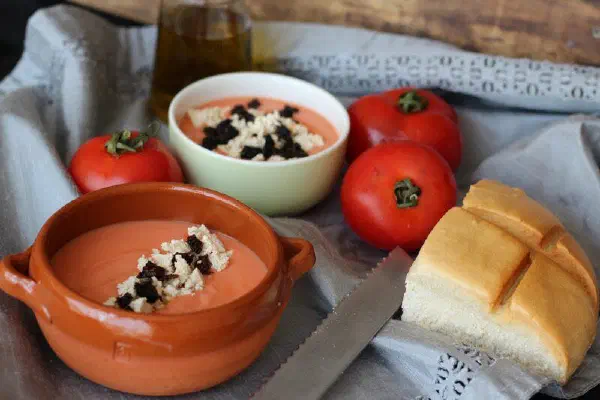
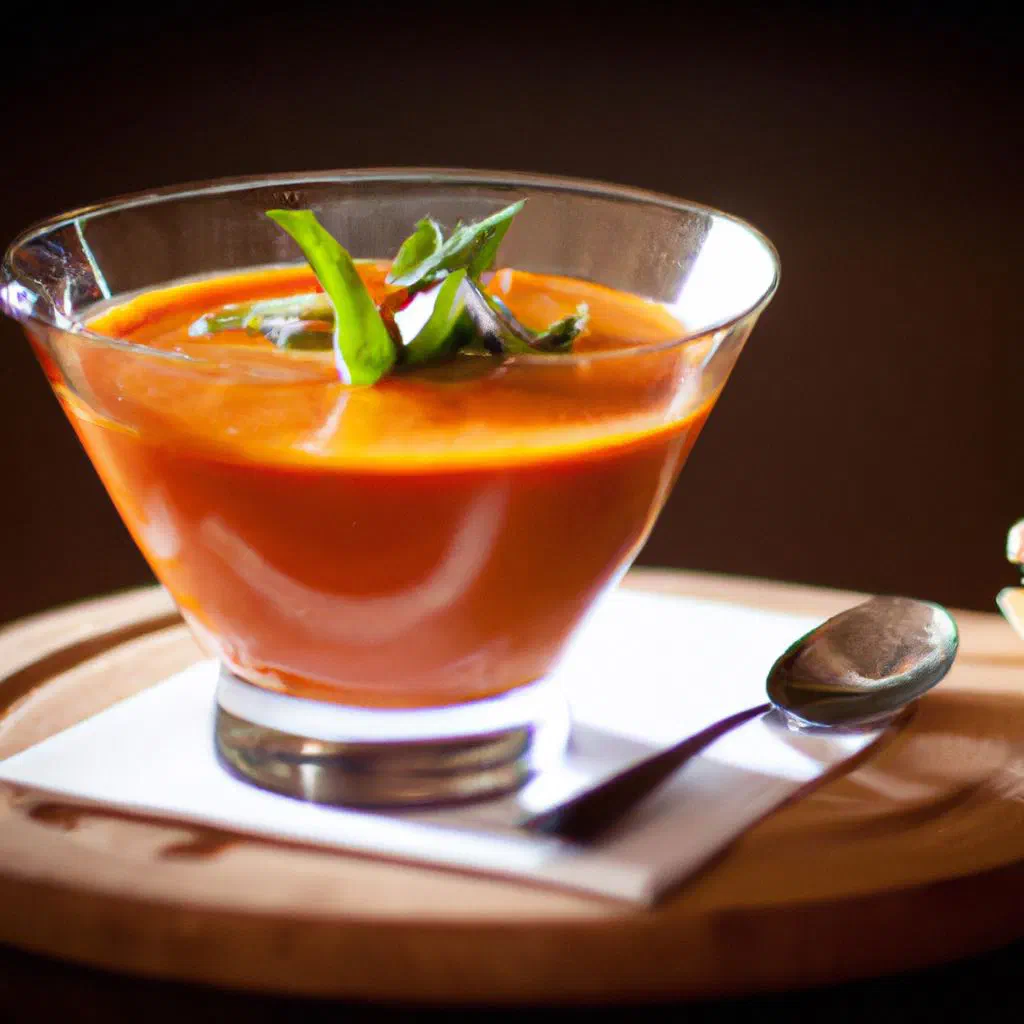
Presentation can lift the whole gazpacho experience. Serve it in pretty bowls or even in tall glasses and finish with a scattering of finely diced cucumber, pepper and a drizzle of olive oil. Small dishes of croutons, chopped egg or extra vegetables on the side add colour and texture to the table. Arranged with a few sprigs of herbs, this humble soup looks as good as it tastes.
A bit of history
Gazpacho is one of the oldest dishes in Spanish cuisine, served in the region of Andalusia since the 16th century. Its name is thought to come from an Arabic word meaning “crumbs”, a nod to its earliest form. Originally gazpacho was made from nothing more than bread, garlic, olive oil and vinegar. Over the centuries other ingredients were added, tomatoes, peppers and cucumber among them, giving us the bright red soup we know and love today.
More recipe ideas
Summary: Gazpacho
Gazpacho is more than just a soup; it is a taste of the Spanish summer captured in a bowl. Built from tomatoes, cucumber, onion, garlic, pepper, olive oil and vinegar, it is a traditional dish that has graced tables across Spain and Portugal for centuries. Quick to make and endlessly refreshing, it is the ideal summer dish, and it adapts easily for vegans and anyone avoiding gluten or dairy. Serve it ice cold with a fruity lemonade or a glass of fresh orange juice, and let this Andalusian classic cool you down in the best possible way.