National Dish Spain: Merluza a la Koskera (Recipe)
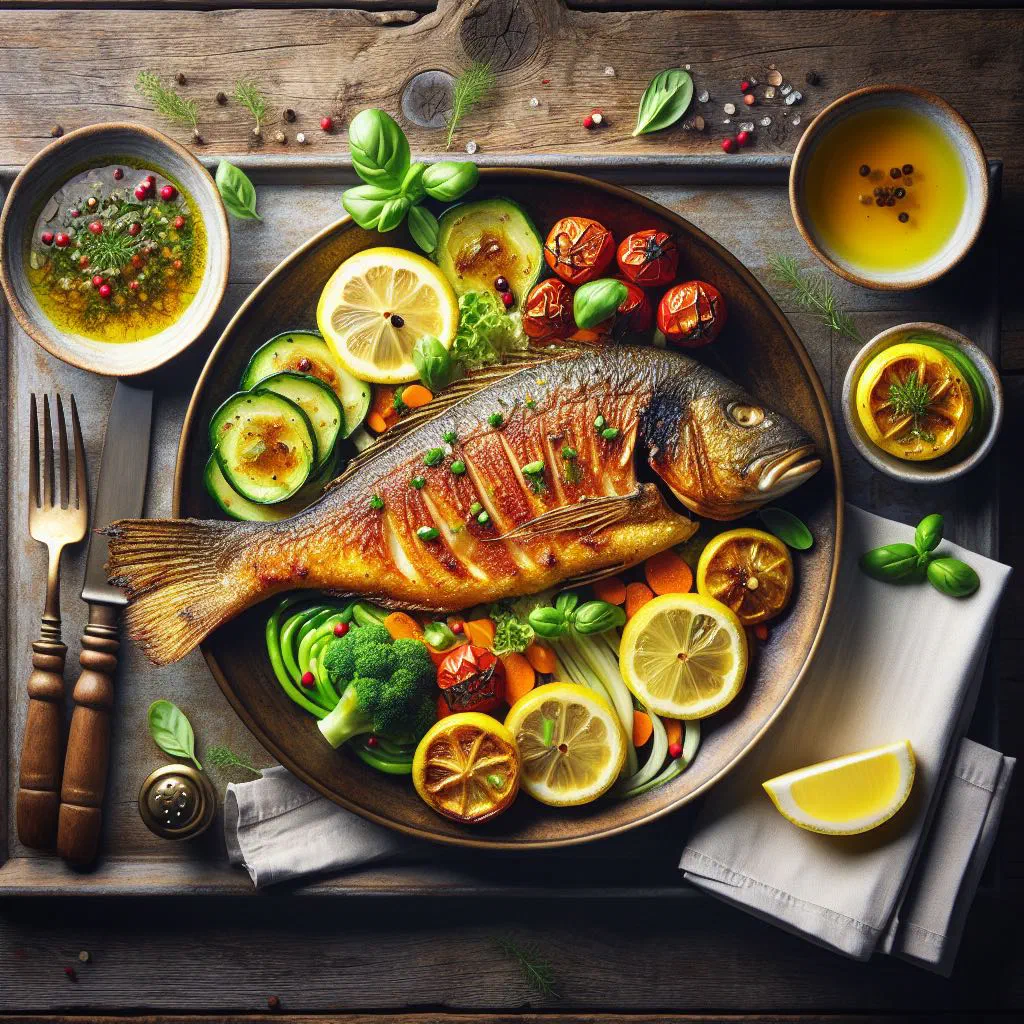
In this article
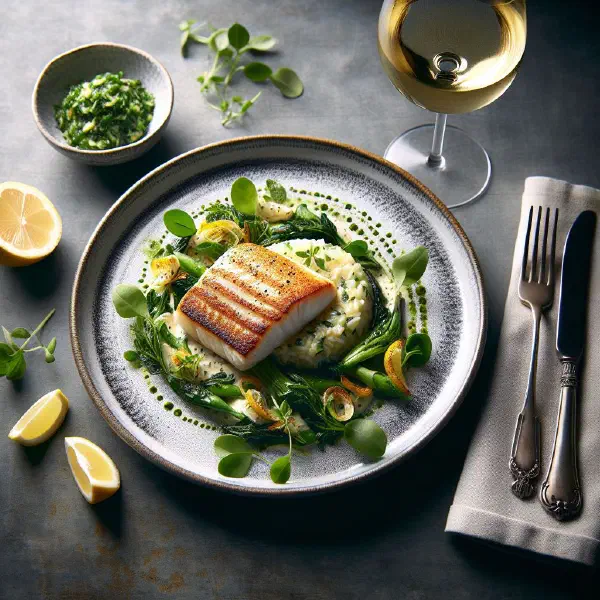
Step into the kitchens of the Basque Country with Merluza a la Koskera, a graceful seafood dish that lets tender hake take centre stage. Gentle simmering in white wine and fish stock, brightened with peas, asparagus and a few threads of saffron, gives the fish a delicate, aromatic finish. It is the kind of light yet satisfying main course that feels right for a relaxed lunch as much as for a special occasion. Bring the flavours of northern Spain straight to your own table.
About Merluza a la Koskera
Spain is celebrated for its rich culinary heritage, and one of its most remarkable dishes is Merluza a la Koskera. This fish dish hails from the Basque Country and is usually made with fresh hake fillet. It brings together a variety of fresh ingredients that give the dish its unmistakable flavour, with a delicate green sauce binding everything together. For lovers of seafood it is an absolute must, much like the equally cherished Merluza en Salsa Verde.
Ingredients (serves 1–2)
- 300g hake fillet
- 200g peas
- 2 cloves of garlic
- 1 bunch of asparagus
- 100ml fish stock
- 50ml white wine
- Olive oil
- Salt and pepper
- 1 bay leaf
- A few threads of saffron
Shopping for the ingredients
For a perfect Merluza a la Koskera, the quality of the ingredients makes all the difference. Buy fresh hake from a fishmonger you trust. Green peas and fresh asparagus provide the ideal colour combination and a clean, fresh taste. Take care to choose a good-quality white wine and fresh garlic, as these lend the dish its aromatic character. Pick up some fresh saffron too, to give the dish its signature flavour.
Preparing the dish
Before you start cooking, make sure all the ingredients are prepared and within easy reach. Slice the garlic finely and cut the asparagus into bite-sized pieces. The peas should be fresh or well drained if you are using tinned ones. The saffron can be dissolved in a little warm fish stock to make its flavour more intense. The white wine should be ready to hand as well.
Step-by-step instructions
- Heat a little olive oil in a large pan.
- Lightly fry the garlic until golden brown.
- Add the asparagus pieces and fry for a few minutes.
- Stir in the peas and mix everything well.
- Place the hake fillet in the pan and season with salt, pepper and the bay leaf.
- Pour in the white wine and the fish stock.
- Add the dissolved saffron and let everything simmer over medium heat until the fish is cooked through.
- Remove the bay leaf and serve the dish hot.
Gluten-free / lactose-free version
Merluza a la Koskera is naturally gluten-free and lactose-free. Simply make sure the fish stock contains no gluten-based additives if you need to avoid gluten. This makes the dish especially appealing for anyone with intolerances, without having to compromise on taste. A quick check of the ingredients can help you rule out any traces of gluten and lactose.
Tips for vegans and vegetarians
For vegetarians, the hake fillet can be replaced with tofu or a firm variety of mushroom such as portobello. Vegans should also make sure the fish stock is swapped for vegetable stock. The remaining flavour and texture of the dish can be lifted with herbs and spices, while peas and asparagus continue to provide the nutrients and the fresh note you are after.
More tips and tricks
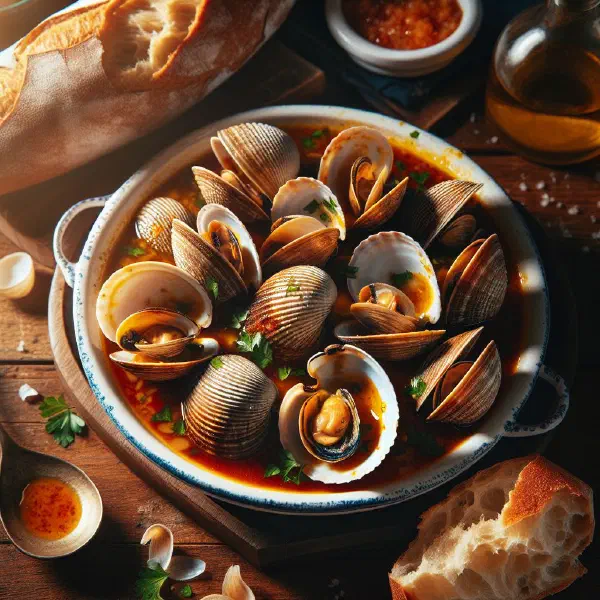
For a particularly authentic aroma, use freshly chopped herbs such as parsley or chives. A pinch of lemon zest can also be added to bring an extra dimension of flavour. The dish can be rounded off with a creamier sauce by stirring in a little cream. Serve it with fresh bread to soak up the delicious sauce, in the same way you would alongside Almejas en Salsa Verde.
Adapting the recipe to your taste
Depending on personal preference, further ingredients can be added to make Merluza a la Koskera your own. Some prefer sliced olives or capers for an extra hit of saltiness, while peppers or chilli can supply a touch of heat. Experiment with different varieties of white wine to discover which one suits your palate best.
Ingredient substitutions
If you cannot get hold of hake, you can replace it with other white fish such as cod or pollock, just as you would in Bacalao con Pasas. Green beans make a fine stand-in for asparagus, and shallots work well in place of garlic if none is available. Instead of saffron, use a little turmeric to give the dish a golden colour and a subtly different flavour.
Drink pairing ideas
A lightly chilled white wine pairs beautifully with this dish. Choose a dry yet fruity option such as a Spanish Albariño or a Sauvignon Blanc. A glass of champagne can also dress the meal up nicely and is perfect for special occasions. For an alcohol-free choice, a well-chilled, sparkling lemonade works wonderfully.
Serving and presentation ideas
Serve Merluza a la Koskera in shallow bowls so you can show off the sauce to its best advantage. Garnish the dish with fresh herbs and a few threads of saffron for a colourful finish. A small squeeze of lemon can also be placed at the edge of the plate. Use stylish crockery and cutlery to enhance the overall impression.
A bit of history
Merluza a la Koskera has its roots in the Basque Country and is a traditional dish that was often served during Lent. The name “Koskera” is thought to come from the Basque city of Donostia-San Sebastián. Over the years the dish has evolved and is now enjoyed throughout Spain. Fresh, regional produce is traditionally used to preserve its authenticity, a hallmark of the wider Spanish cuisine.
More recipe ideas
Summary: Merluza a la Koskera
Merluza a la Koskera is a traditional Spanish fish dish with its roots in the Basque Country. It brings together fresh ingredients such as hake, asparagus and peas with aromatic white wine and saffron. The dish is gluten-free and lactose-free, and can easily be adapted to suit vegan and vegetarian preferences. Much of its charm lies in its simple preparation and the freedom to vary it to your own taste, a true taste of northern Spain on your plate.