National Dish Spain: Migas (Recipe)
In this article
Few dishes capture the soul of rural Spain quite like Migas. Born from thrift and the need to use up every last crust, this rustic plate of golden, fried breadcrumbs has travelled from shepherds’ fires to celebrated restaurant tables. Crisped in good olive oil with garlic and a generous scattering of chorizo, it is warming, satisfying and very moreish. Migas brings a true taste of Extremadura and Andalusia straight to your kitchen.
About Migas
Migas is a traditional dish from Spanish cuisine, especially cherished in the regions of Extremadura and Andalusia. Originally devised as peasant food, it is now served in Spanish homes and restaurants alike as a genuine culinary delicacy. The dish is built around stale bread, crumbled into small pieces and fried in olive oil, then enriched with a range of additions that vary according to region and personal taste. The result is humble in origin yet deeply flavourful, a fine example of how the most modest ingredients can become something special.
Ingredients (serves 1–2)
- 200g stale bread
- 2 tablespoons olive oil
- 2 cloves garlic
- 100g chorizo or ham
- 1 teaspoon paprika (sweet)
- Salt and pepper to taste
Shopping for the ingredients
For an authentic plate of migas it is well worth choosing the right ingredients. When buying olive oil, look for good quality, ideally extra virgin. Chorizo or ham can usually be found at the deli counter. If you do not have stale bread to hand, a day-old baguette or a rustic country loaf makes an excellent substitute. As with so many dishes in Spanish cuisine, quality, simple ingredients are the foundation of a memorable result.
Preparing the dish
Begin by cutting the stale bread into small cubes or crumbling it into pieces. Peel and finely chop the garlic cloves, then cut the chorizo or ham into small chunks. These preparatory steps ensure the ingredients cook evenly and the dish develops its characteristic flavour. A little organisation at this stage makes the cooking itself quick and stress-free.
Step-by-step instructions
- Heat the olive oil in a large frying pan.
- Add the chopped garlic and fry until golden brown.
- Tip in the breadcrumbs and fry, stirring constantly.
- Add the chorizo or ham and cook everything together until the breadcrumbs are crisp.
- Season the dish with paprika, salt and pepper to taste.
Gluten-free / lactose-free version
For a gluten-free version of migas, simply use gluten-free bread. When choosing your chorizo, check that it contains no gluten-based additives. As the dish is naturally lactose-free, no further adjustments are needed, making this a wonderfully accommodating recipe for guests with dietary requirements.
Tips for vegans and vegetarians
To prepare migas the vegan way, replace the chorizo or ham with plant-based alternatives such as smoked tofu or vegan sausages. Adding more vegetables, peppers, courgettes or tomatoes, gives the dish extra flavour and nutrients. With a few simple swaps, this rustic classic becomes a satisfying meat-free meal that loses none of its character.
More tips and tricks
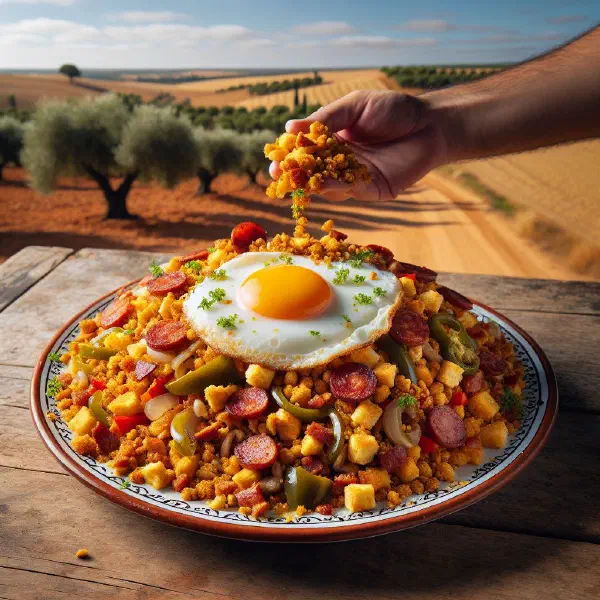
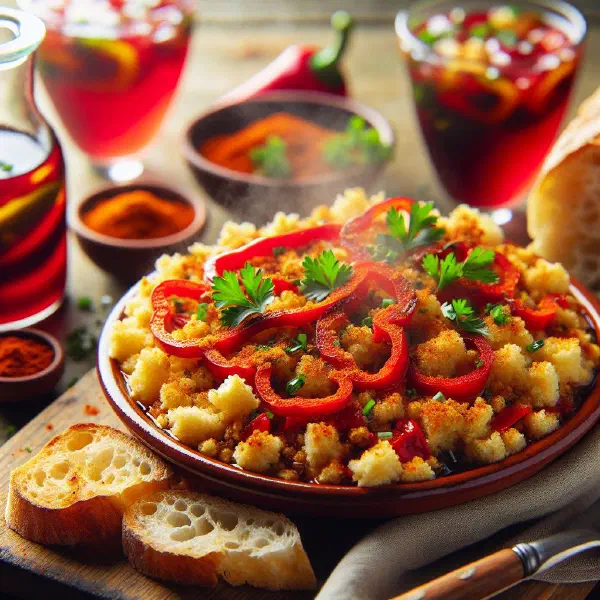
For extra warmth, try adding dried chilli flakes or a pinch of cumin. If you like your breadcrumbs especially crisp, rest them briefly on kitchen paper after frying to absorb any excess oil. Migas is also delicious topped with a fried egg or some fried strips of pepper, turning a simple side into a complete and comforting meal.
Adapting the recipe to your taste
Migas is a wonderfully versatile dish that is easy to tailor to personal preference. Add herbs such as thyme or rosemary for an aromatic lift, or stir through olives or capers to complement the rustic flavours and add variety.
Ingredient substitutions
Instead of chorizo you could use streaky bacon or salami. If you have no sweet paprika to hand, smoked paprika works beautifully and lends a gentle, smoky note, much like the depth you find in Chorizo a la Parrilla. The bread itself can be swapped for semolina bread or other varieties, depending on what is available, so nothing ever goes to waste.
Drink pairing ideas
A robust red wine such as a Rioja or a Tempranillo pairs splendidly with migas. A cold beer or a refreshing white wine also harmonise well with the dish’s rustic flavours. For alcohol-free options, a herbal tea or a glass of orange lemonade rounds things off nicely. The smoky, savoury notes of migas sit just as comfortably alongside the bolder flavours of Patatas Revolconas.
Serving and presentation ideas
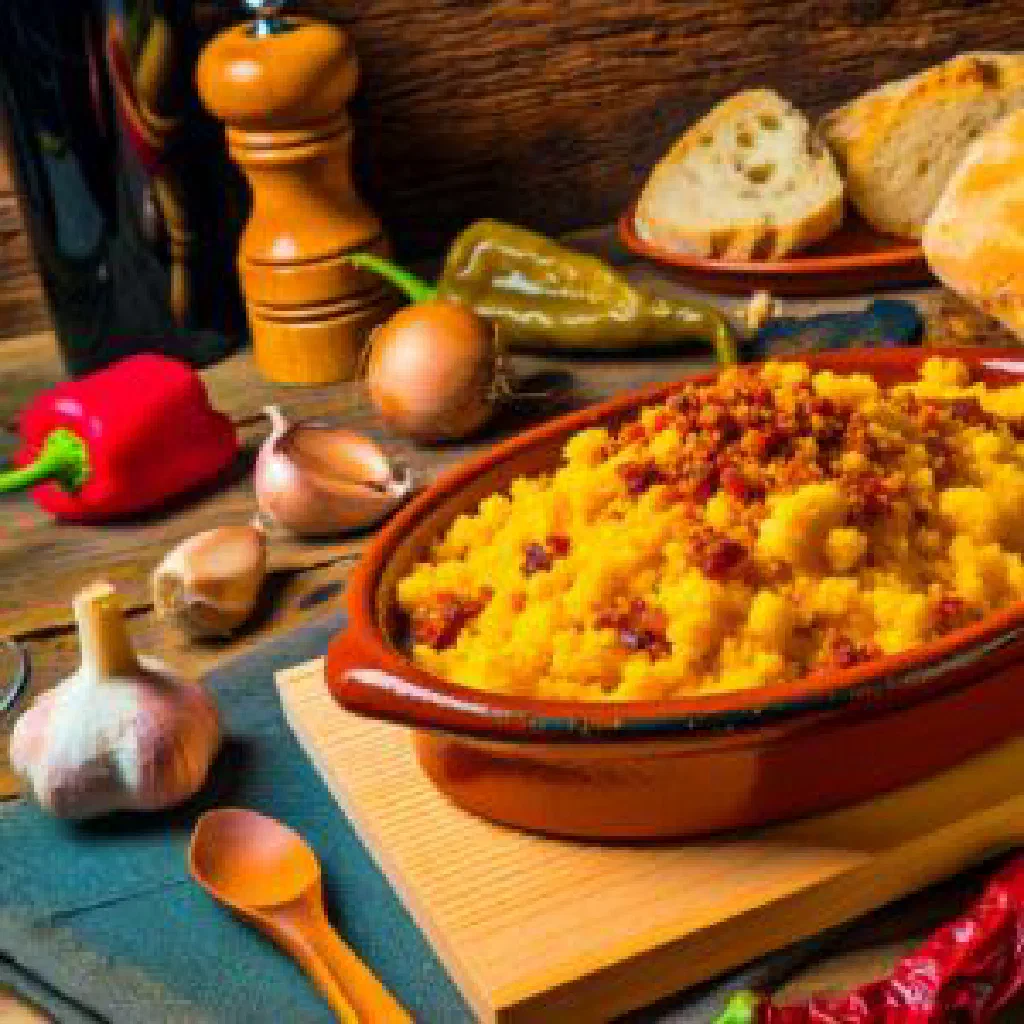
Serve migas in a rustic cast-iron pan or on a wooden serving board for maximum charm. Garnish with fresh herbs such as parsley or coriander to add colour and freshness. A slice of lemon or a fried egg can provide extra visual interest and round out the flavour, turning a simple dish into an inviting centrepiece.
A bit of history
Migas has a long history in Spanish cuisine and was originally prepared as a make-do meal in poor rural regions. During the great sheep migrations it was a simple but nourishing dish that called for minimal ingredients. Today it is often served at celebrations and as a tapas dish, having grown into a firmly established part of Spain’s food culture, a journey it shares with rustic shepherd’s fare like Migas de Pastor and the hearty stews of the countryside such as Gachas Manchegas.
More recipe ideas
Summary: Migas
Migas is a versatile and delicious dish that is both easy to prepare and endlessly adaptable to personal taste. With just a few ingredients, stale bread, garlic and chorizo, you can conjure up an authentic Spanish meal in no time at all. ¡Buen provecho.