National Dish Spain: Paella Valenciana (Recipe)
In this article
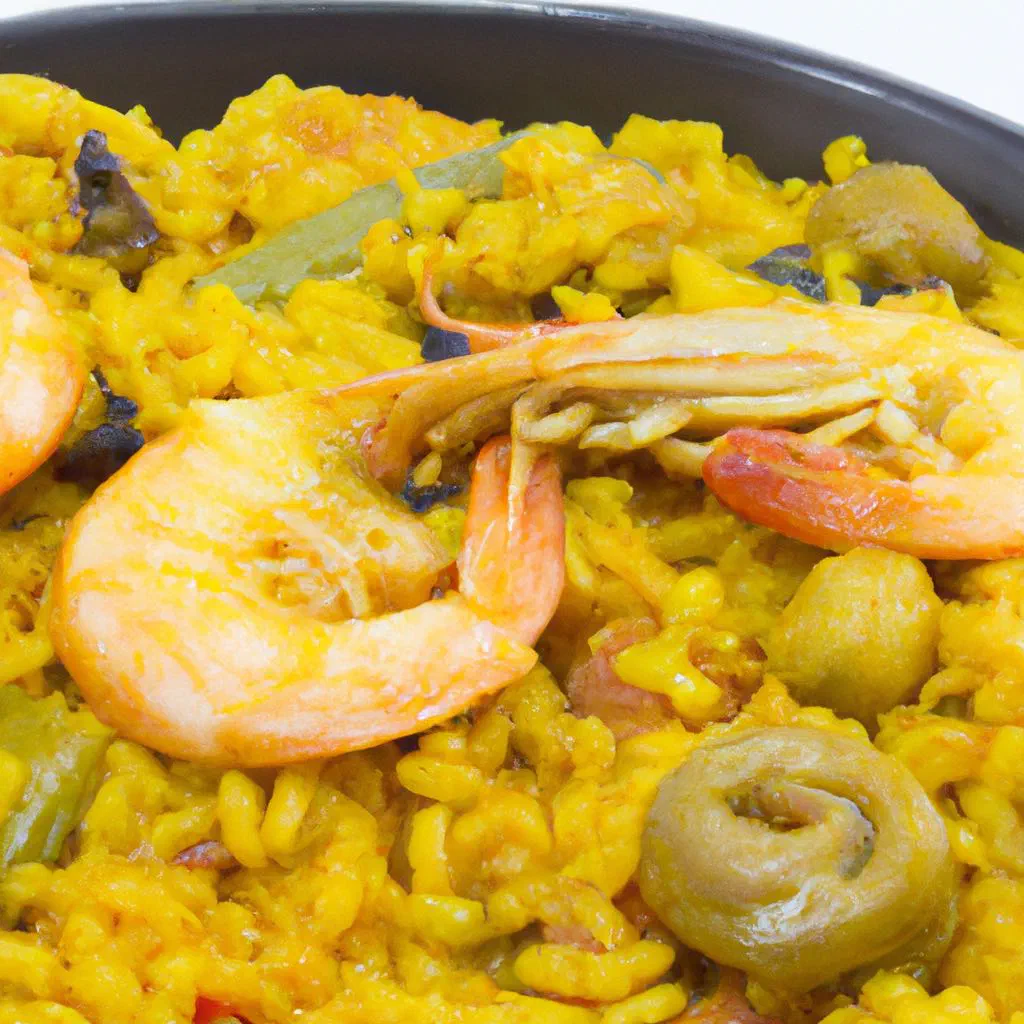
Sun-warmed terraces, the clatter of wide pans over an open flame and a deep golden rice studded with chicken and vegetables. This is Paella Valenciana, the most iconic of all Spanish dishes. Born in the orchards and rice fields around Valencia, it brings family and friends together around a single shared pan. What sets it apart is its reliance on seasonal produce and a slow, careful method that lets the flavours of the land and its traditions shine. Bring a taste of the Mediterranean straight to your own table.
About Paella Valenciana
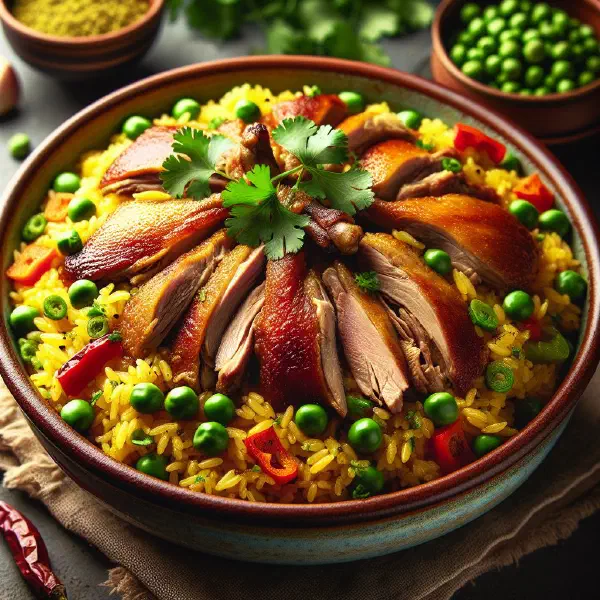
Paella Valenciana is far more than a meal. It is a mirror of Spanish culture and a symbol of good company. At its heart lies short-grain paella rice, simmered with chicken, rabbit and a handful of garden vegetables until every grain has soaked up the savoury, saffron-scented stock. The exact make-up shifts with the season and the region, but the result is always hearty and generous. Served straight from the pan, it turns any gathering into a celebration and remains one of the proudest examples of Spanish cuisine.
Ingredients (serves 1–2)
- 200g paella rice (Bomba or Calasparra)
- 400ml chicken stock
- 2 chicken thighs
- 100g rabbit meat (optional)
- 100g green beans
- 1 ripe tomato
- 50g garrofón (large white beans)
- 1/2 red pepper
- 1 sprig of rosemary
- 1/2 tsp sweet paprika
- A pinch of saffron threads
- Olive oil
- Salt
- Water
Shopping for the ingredients
When shopping for paella, freshness and quality make all the difference. The rice should be a variety made specifically for paella, such as Bomba or Calasparra, which absorb plenty of liquid without turning mushy. Garrofón, the broad white bean, is essential for an authentic flavour, and fresh green beans are always preferable to tinned ones. A trip to a good market or a Spanish deli will reward you with the best produce.
Preparing the dish
Begin by preparing the vegetables: trim the green beans, slice the red pepper into strips and dice the tomato. Cut the chicken and rabbit into bite-sized pieces so they brown evenly. Soak the saffron threads in a splash of warm water to draw out their colour and aroma. A tidy work surface lets you cook at a relaxed, steady pace.
Step-by-step instructions
- Heat the olive oil in a paella pan and brown the meat all over.
- Add the vegetables and fry for a few minutes.
- Stir in the tomato and sweet paprika and let them cook briefly.
- Add the rice, stir well and toast it for a moment.
- Pour in the chicken stock and stir through the soaked saffron threads.
- Simmer over medium heat for about 20–25 minutes, until the rice has absorbed the liquid.
- After roughly 15 minutes, lay a sprig of rosemary in the centre and stop stirring.
- Take the paella off the heat and let it rest a few minutes before serving.
Gluten-free / lactose-free version
Paella Valenciana is naturally gluten-free and lactose-free, which makes it an easy choice for guests with dietary restrictions. Rice contains no gluten, and the dish uses no butter or cream, so there is nothing to swap out for a lactose-free table. Just double-check that your stock and paprika are free from hidden additives. Like the saffron-rich Pollo en Pepitoria, this is a Spanish classic everyone can share without compromise.
Tips for vegans and vegetarians
Paella adapts beautifully to a vegan or vegetarian table. Simply leave out the meat and build the dish around artichokes, red pepper and extra green beans, swapping the chicken stock for a good vegetable stock. The garrofón and seasonal vegetables already supply plenty of body and flavour. Reach for fresh, seasonal produce wherever you can, and the result will be every bit as satisfying as the traditional version.
More tips and tricks
For the best results, the paella should be served straight from the pan it was cooked in. To achieve the prized socarrat, the lightly caramelised layer of rice at the bottom, turn the heat up briefly at the very end of cooking and listen for the gentle crackle. Resist the urge to stir once the stock goes in; a still pan is what gives paella its signature texture and even cooking.
Adapting the recipe to your taste
Paella Valenciana is wonderfully flexible. If you would rather not use rabbit, leave it out or add a little more chicken in its place. Many cooks bulk out the pan with extra peppers or artichokes, much as you might in Berenjenas Rellenas de Carne. Adjust the paprika and saffron to suit your own palate, and you can shape the dish exactly to your liking.
Ingredient substitutions
If certain ingredients are hard to find, there are plenty of good stand-ins. Should saffron be unavailable, a little turmeric will lend a similar golden colour, though it changes the flavour slightly. In place of garrofón, lima beans or butter beans work very well. These swaps let you adapt the recipe to whatever the season, or your local shop, has to offer, in the same resourceful spirit as a hearty Caldereta de Cordero.
Drink pairing ideas
A range of drinks pairs beautifully with paella. A chilled Spanish white wine or a fruity sangria sits perfectly alongside the saffron rice and rounds off the meal. For something non-alcoholic, a sparkling lemonade or a horchata makes a refreshing match. Whatever you choose, a cold glass brings out the sunny, Mediterranean character of the dish.
Serving and presentation ideas
Presentation is part of the paella ritual. Serve it directly in the paella pan and garnish with freshly chopped parsley and wedges of lemon for a burst of colour and freshness. Place the pan in the centre of the table so everyone can help themselves, much as you would with a shared platter of Sardinas Asadas. A few simple sides turn the meal into a relaxed, convivial spread.
A bit of history
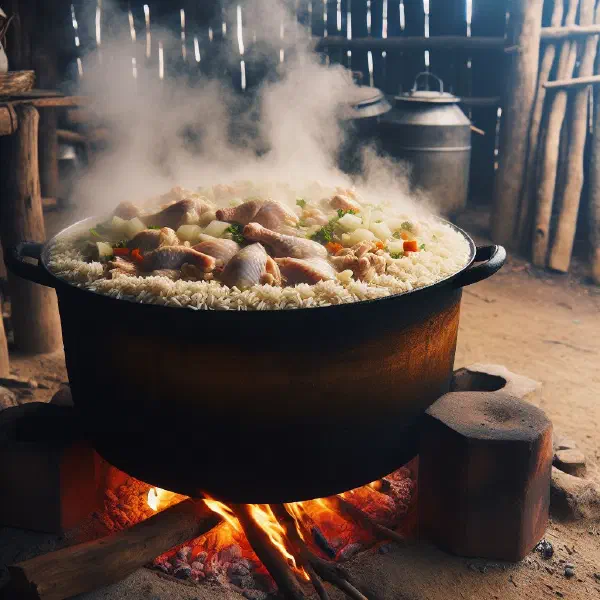
Paella Valenciana is far more than Spain’s best-known dish; it is a piece of living heritage rooted in the heart of Valencia. It began as a midday meal cooked by field workers over an open fire, using whatever rice, vegetables and meat were close to hand. Perfected over generations, it has since travelled the world to become a global emblem of Spanish cuisine and the convivial spirit of the Mediterranean.
More recipe ideas
Summary: Paella Valenciana
Paella Valenciana is more than just a dish; it is a culinary experience that captures the warmth and culture of Spain. With its golden, saffron-scented rice and its generous mix of meat and vegetables, it is a feast for the senses and a meal made for sharing. Paella brings colour and flavour to any table. Let this Spanish classic inspire you to fire up the pan, your guests will thank you.