National Dish Spain: Pan de Calatrava (Recipe)
In this article
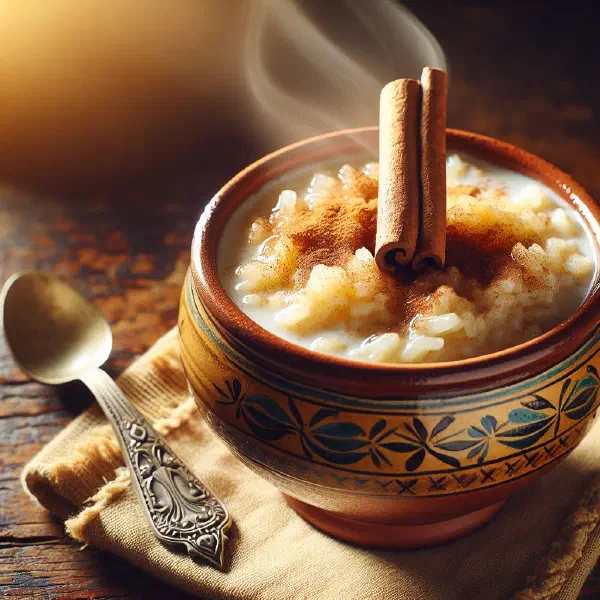
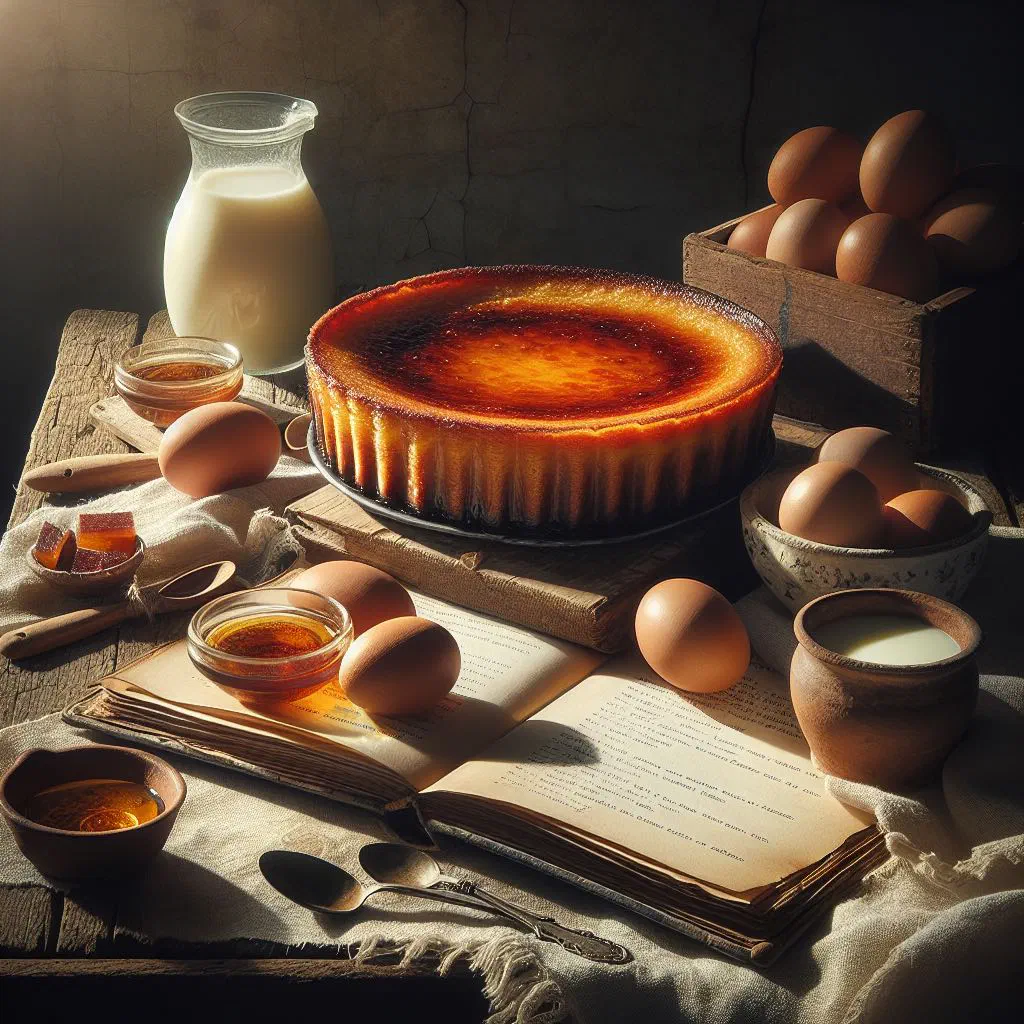
Meet Pan de Calatrava, a comforting Spanish dessert that turns a few humble pantry staples into something quietly special. Built from day-old bread, eggs, milk, sugar and a warm dusting of cinnamon, it is sweet, aromatic and wonderfully easy to put together. Treasured in the Calatrava region, this old-fashioned pudding carries the cosy charm of a family kitchen and rounds off any meal with a gentle, golden flourish.
About Pan de Calatrava
Pan de Calatrava is a classic Spanish dessert, especially beloved in the Calatrava region from which it takes its name. It is as straightforward to make as it is delicious, relying on just a handful of basic ingredients that come together to create an unmistakable flavour. The blend of bread, eggs, cinnamon and sugar gives the pudding its signature balance of sweetness and warm aroma, lending a special touch to any celebration or family gathering.
Ingredients (serves 1–2)
- 2 slices of stale bread
- 2 eggs
- 250 ml milk
- 50 g sugar
- 1 teaspoon cinnamon
- Butter, for greasing the dish
- Optional: vanilla or lemon zest for extra flavour
Shopping for the ingredients
When shopping for the ingredients for Pan de Calatrava, look for fresh eggs and good-quality milk. The bread is ideally a little on the older side, as it soaks up the liquid far better without turning to mush. Cinnamon and sugar are easy to find in most supermarkets, but it is worth choosing decent quality to bring out the full aroma of the dessert. If you fancy adding extras such as vanilla or lemon zest, check whether your local deli counter stocks them.
Preparing the dish
To make Pan de Calatrava well, it pays to prepare your ingredients properly first. The bread needs to be cut into small cubes so it can absorb the egg mixture more readily. Beat the eggs thoroughly in a large bowl before adding the milk and sugar, then mix everything well so the sugar dissolves completely. Stir in the cinnamon and any other flavourings at this stage.
Step-by-step instructions
- Preheat the oven to 180°C.
- Grease an ovenproof dish with butter.
- Cut the bread into small cubes and tip them into the prepared dish.
- Whisk the eggs, milk, sugar and cinnamon together well.
- Pour the mixture evenly over the bread.
- Bake at 180°C for around 30 minutes, until the surface is golden brown.
- Let it cool a little before serving so the flavours can settle.
Gluten-free / lactose-free version
To make Pan de Calatrava gluten-free, simply use one of the gluten-free breads now widely stocked in supermarkets. There are also plenty of lactose-free milk alternatives that deliver the same creamy consistency. Just double-check that all the other ingredients are gluten-free too. These small swaps let you enjoy this traditional pudding without any restrictions.
Tips for vegans and vegetarians
The recipe is naturally vegetarian, and vegans can adapt it easily by replacing the eggs with plant-based milk and flaxseed, which acts as a binder. A mix of 1 tablespoon of flaxseed with 2.5 tablespoons of water stands in for one egg. Use plant-based milk and butter as well, and the dessert remains every bit as satisfying without sacrificing flavour.
More tips and tricks
One key tip when making Pan de Calatrava is to let the bread soak well in the liquid, which keeps the finished pudding especially moist and flavoursome. For a lovely caramelised crust, scatter an extra layer of sugar over the top before it goes into the oven. Fresh fruit makes a fine garnish too, adding both flavour and visual appeal to the finished dish.
Adapting the recipe to your taste
Pan de Calatrava is easy to tailor to your own preferences. For a richer result, fold in raisins or other dried fruit. Spices such as nutmeg or cardamom can add an extra dimension, much as warm spicing lifts a slice of Bizcocho de Naranja. Experimenting with different types of bread can also lead to surprisingly varied flavours.
Ingredient substitutions
When making Pan de Calatrava, you can swap certain ingredients to suit your taste. Instead of regular sugar, try honey or agave syrup for a more natural sweetness. For a special touch, scatter in flavourings such as almonds or pistachios, the same nutty notes that shine in Tarta de Santiago style bakes. These alternatives enrich the dessert and give it a unique character without straying far from the traditional recipe.
Drink pairing ideas
Pan de Calatrava pairs beautifully with a range of drinks. A sweet red wine or a sherry complements the warm flavours of the pudding and brings out its aromas. For something less boozy, a fragrant fruit tea or a hot chocolate is an excellent choice. Either way, the right drink makes a serving of this Spanish classic all the more memorable.
Serving and presentation ideas
A thoughtful presentation can impress your guests and heighten the enjoyment of the dessert. Serve Pan de Calatrava in individual ramekins or glasses to give each portion a personal touch. A garnish of fresh fruit, mint leaves or a pinch of cinnamon lifts the look still further. An appealing presentation makes a good impression and builds anticipation for that first spoonful.
A bit of history
Pan de Calatrava has its roots in the Spanish region of Calatrava and is often regarded as a dish born of thrift. Originally a clever way to use up stale bread, it evolved over the years into a cherished traditional treat. It frequently appears at festive occasions and family celebrations, carrying a deep cultural significance within Spanish cuisine. Sharing Pan de Calatrava offers not just pleasure but a slice of traditional Spanish hospitality.
More recipe ideas
Summary: Pan de Calatrava
In short, Pan de Calatrava is a delicious and simple Spanish dessert that brings together tradition and flavour in equal measure. Because the recipe adapts so readily, it suits a wide range of diets and preferences. This pudding is a perfect choice. Enjoy surprising your friends and family with this traditional Spanish speciality.