National Dish Spain: Panellets (Recipe)
In this article
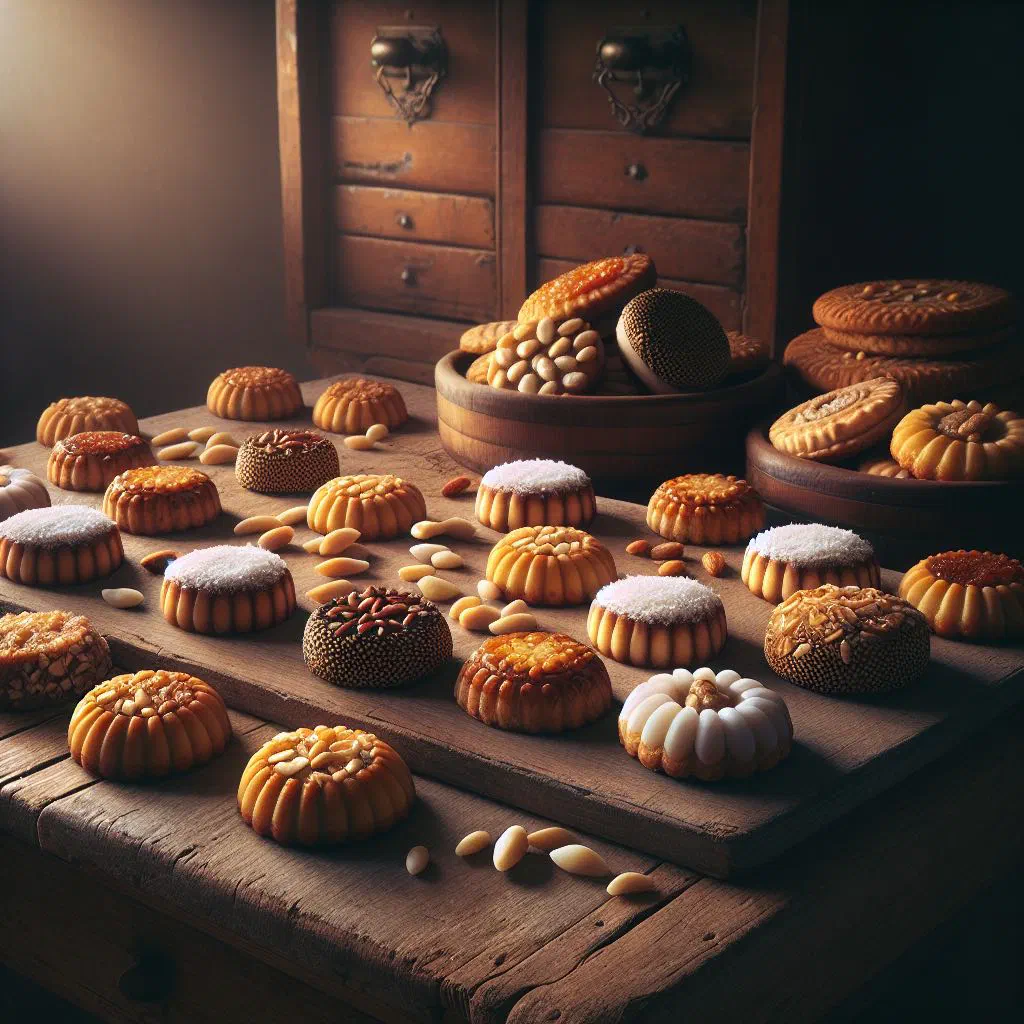
Meet Panellets, the little almond sweets that fill Spanish homes with festive warmth every autumn. Traditionally baked for All Saints’ Day, these soft, marzipan-like cookies are rolled in pine nuts and tinged with the gentle scent of toasted almonds. Easy to make and endlessly adaptable, they offer a delicious window into Catalan baking tradition. Perfect for treating yourself or sharing with loved ones over a quiet celebration.
About Panellets
Panellets are a traditional Spanish sweet that comes into its own around the feast of All Saints’ Day. These small, round almond cookies are a pleasure to eat and an important part of Spanish culture. They are often finished with a variety of toppings and appear on the table in countless versions. Making panellets is a wonderful way to get to know traditional Spanish cuisine a little better and to spoil yourself or those you love with something genuinely special.
Ingredients (serves 1–2)
- 200 g ground almonds
- 100 g caster sugar
- 1 egg
- 1 pinch of salt
- Pine nuts or other toppings of your choice
- Optional: mixed spice or vanilla extract for extra flavour
Shopping for the ingredients
To find the best ingredients for your panellets, head to a well-stocked supermarket or a shop with a good range of baking supplies. Make a point of buying fresh almonds, as they are the star of the recipe. Organic products are an excellent choice, since they often carry a more intense aroma. Take your time browsing the shelves so you can pick out the very best quality.
Preparing the dish
Before you start making the panellets, it helps to have everything within easy reach. Make sure your kitchen tools, mixing bowls, baking trays and a mixer, are clean and ready to go. Gathering the ingredients in advance makes the whole process much smoother and reduces the risk of forgetting anything. A well-organised kitchen turns baking panellets into a relaxed and enjoyable experience.
Step-by-step instructions
- Combine the ground almonds and sugar in a large bowl.
- Add the egg and a pinch of salt, then mix well until you have a smooth, even dough.
- Chill the dough in the fridge for at least 30 minutes so it firms up.
- Preheat the oven to 180°C. Shape small portions of dough into balls and place them on a tray lined with baking paper.
- Roll or sprinkle the balls with pine nuts or other toppings as you like.
- Bake for around 15–20 minutes, until the panellets turn golden. Remove from the oven and leave to cool.
Gluten-free / lactose-free version
Panellets are wonderfully simple and naturally gluten-free and lactose-free when you use ground almonds. Just check that all your other ingredients are also free from gluten and lactose. A gluten-free baking powder can come in handy too if you fancy experimenting with other creations. That way, anyone with special dietary needs can still enjoy this treat, much like a naturally gluten-free Bizcocho de Naranja baked with almond flour.
Tips for vegans and vegetarians
Vegans can simply swap the egg in this recipe for apple purée or a mixture of chia seeds and water. These alternatives let you make the panellets without any animal products while still achieving a similar flavour and texture. There are plenty of creative ways to keep the original taste intact while adapting the recipe. This means friends and family of every dietary preference can enjoy this sweet little delicacy.
More tips and tricks
Panellets can be enhanced in all sorts of ways. Some bakers love folding chocolate chips or other nuts into the dough for even more flavour. Experimenting with different sugars, such as coconut sugar or honey, can also give your recipe an interesting twist. Let your imagination run free and shape the panellets entirely to your own taste.
Adapting the recipe to your taste
Panellets are very adaptable and can be tuned to suit the different tastes of friends and family. If some people prefer a nuttier flavour, you can work walnuts or hazelnuts into the dough. Adding a little fruit syrup can also lend the cookies a sweet, fruity note. With tweaks like these, baking panellets never gets dull, and there is always a new variation to try.
Ingredient substitutions
If you are not keen on almonds, you can replace the ground almonds with ground hazelnuts, which bring their own delicious character to your panellets. You could also swap the sugar for agave syrup or stevia if you want a lower-calorie version. These alternatives are tasty and add to the versatility of these little cookie treats, the same spirit of experimentation that suits a buttery Pastel Vasco.
Drink pairing ideas
To enjoy panellets at their best, a few drinks pair beautifully with them. A chocolatey coffee or a fruity tea complements the sweetness of the cookies perfectly. For special occasions, a sweet dessert wine rounds things off and harmonises with the almond flavours. Mix and match to suit the moment and your own preference, and you will broaden the whole tasting experience.
Serving and presentation ideas
Presentation plays an important part in enjoying your panellets. Arrange the cookies on a pretty plate and decorate with rose petals or fresh herbs for an attractive finishing touch. Small gift bags are another charming way to share the panellets with others. Think about what your guests might love, and let the presentation become part of the culinary occasion. Just as it would for a celebratory Roscón de Reyes.
A bit of history
The origins of panellets are deeply rooted in Spanish culture. They come from the region of Catalonia, where they are traditionally prepared for All Saints’ Day. The custom of eating panellets dates back to a time when people marked the end of the harvest and remembered the souls of the departed. These little cookies are far more than just a dessert; they are a symbol of togetherness and of celebrating tradition within family and community.
More recipe ideas
Summary: Panellets
Panellets are a wonderful traditional treat that taste delicious and carry a history and deep cultural meaning in Spain. With simple ingredients and a straightforward method, anyone can create these sweets at home. Fancy more culinary experiments? Let your creativity flow and adapt the recipe to your own taste, discovering new flavours and bringing a festive mood to your kitchen. Enjoy the baking and the joy of eating.