National Dish Spain: Pastel de Cabracho (Recipe)
In this article
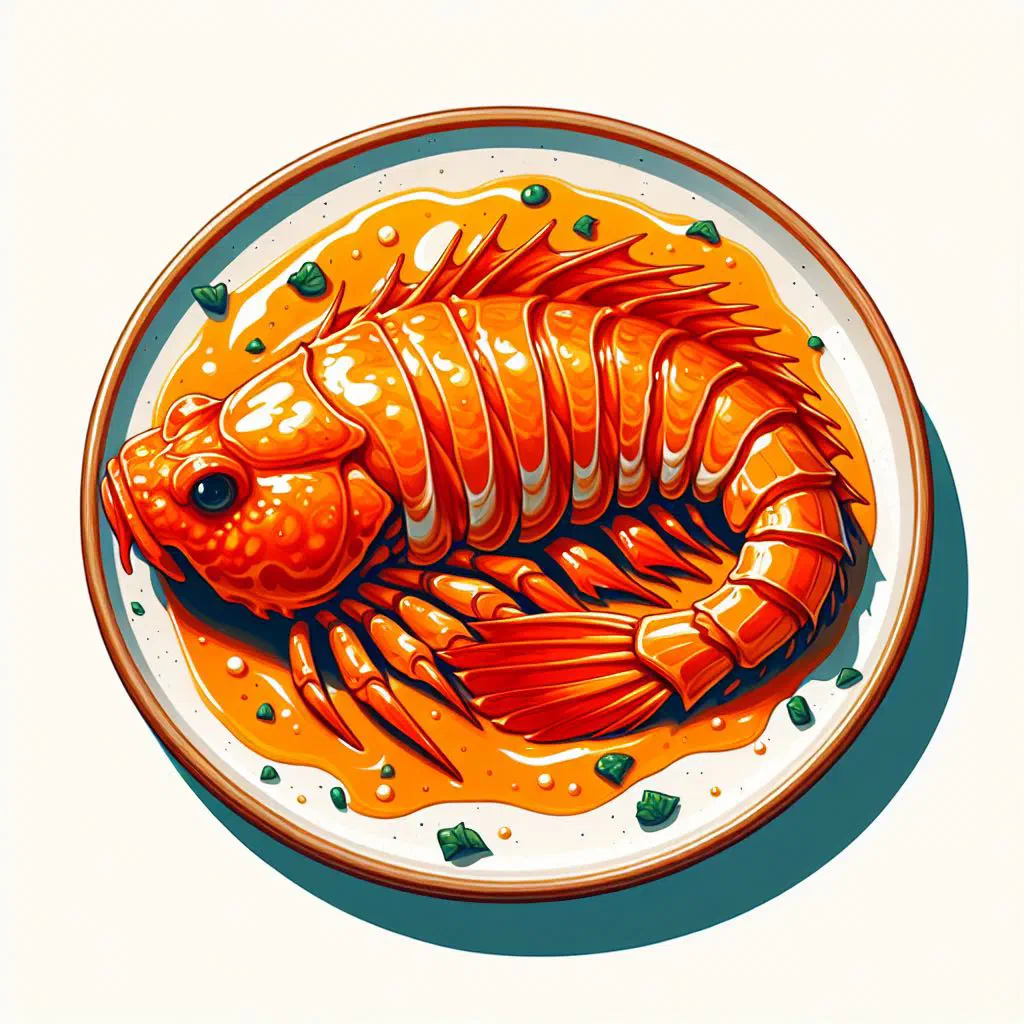
Discover Pastel de Cabracho, a treasured classic of the Spanish coast. This silky fish terrine is made from the delicate flesh of the scorpionfish, gently set with eggs and cream and lifted by fresh herbs and a whisper of paprika. Light yet deeply flavourful, it works beautifully as an elegant starter or a memorable main. Let the sea breezes of northern Spain drift straight into your kitchen.
About Pastel de Cabracho
Pastel de Cabracho is a traditional Spanish dish prepared with the tender flesh of the scorpionfish. This refined fish terrine has its origins in Spain’s coastal regions and is hugely popular with locals and visitors alike. Pastel de cabracho wins everyone over with its creamy texture and delicate taste, the kind of refined comfort you also find in Caldereta de Marisco.
Ingredients (serves 1–2)
- 300g scorpionfish, filleted
- 2 eggs
- 150ml cream
- 1 small onion, finely chopped
- 2 cloves of garlic, crushed
- 1 teaspoon paprika
- Fresh herbs (such as parsley or dill)
- Salt and pepper to taste
- Olive oil for frying
Shopping for the ingredients
To make a great pastel de cabracho, it is well worth choosing top-quality ingredients. Visit a local fishmonger or a shop that sells fresh fish to buy the scorpionfish. The fresh herbs and the remaining ingredients can easily be found in a supermarket or at a market. Make sure everything is as fresh as possible, as this is the key to achieving the best flavour in the finished terrine.
Preparing the dish
Preparing pastel de cabracho is refreshingly straightforward. First, rinse the scorpionfish thoroughly and cut it into small pieces. Finely chop the onion and the garlic so they soften evenly. Then wash and finely chop the fresh herbs, which will deepen the aromas running through the dish.
Step-by-step instructions
- Heat a little olive oil in a pan and gently fry the onion and garlic until translucent.
- Add the pieces of fish and cook briefly, just until they are lightly done through.
- In a bowl, whisk together the eggs, cream, paprika and the fresh herbs.
- Fold the cooked fish carefully into the mixture and season with salt and pepper.
- Pour the mixture into a greased baking dish and bake in a preheated oven at 180°C for around 30–40 minutes.
Gluten-free / lactose-free version
Pastel de cabracho is easy to adapt for those with particular dietary needs. For a gluten-free version, simply check that the cream you use is free from gluten. For a lactose-free preparation, swap in plant-based alternatives such as coconut cream or lactose-free cream. These small adjustments mean everyone at the table can enjoy this dish without missing out.
Tips for vegans and vegetarians
Although pastel de cabracho is traditionally made with fish, there are delicious vegan and vegetarian versions too. Simply replace the fish with soy-based products or vegetables such as courgette and carrot. For a fully vegan terrine, swap the cream for cashew cream or another plant-based cream. This keeps the dish wonderfully creamy while opening it up to a much wider table of guests.
More tips and tricks
Getting pastel de cabracho just right comes down to a few simple touches. Use fresh rather than frozen ingredients wherever possible for the very best flavour. Experiment with different spices or herbs to discover new flavour directions. A few drops of lemon juice added just before serving will also brighten the dish and round off the whole eating experience.
Adapting the recipe to your taste
The recipe for pastel de cabracho is easy to tweak to suit different palates. Add a little chilli or hot paprika, for example, if you like things with more of a kick. You can also try different types of fish to vary the flavour, much as you would when making Merluza en Salsa Verde.
Ingredient substitutions
If some ingredients are hard to track down, there are plenty of alternatives to fall back on. Instead of scorpionfish you can use other seafood such as salmon or tuna, both of which set beautifully in a terrine. Where fresh herbs are not available, dried spices make a perfectly good stand-in. Experiment with whatever you have to hand, the same easy-going spirit that suits a dish like Rape al Horno.
Drink pairing ideas
A few well-chosen drinks will set off pastel de cabracho perfectly. A crisp Spanish white wine, such as an Albariño or a Verdejo, pairs wonderfully with the flavours of the terrine. Alternatively, a chilled Spanish cerveza (beer) or a refreshing lemonade also works nicely. The right drink can round off the whole meal and turn it into something truly memorable.
Serving and presentation ideas
Presentation can make all the difference to a pastel de cabracho. Serve the dish in an elegant baking dish, garnished with fresh herbs and a slice of lemon. You might also arrange slices of the terrine on a colourful plate to bring out their hues. An attractive presentation not only builds anticipation but enriches the whole dining experience.
A bit of history
Pastel de cabracho has its roots deep in Spanish kitchen culture and is especially popular across the regions of northern Spain. Originally devised as a simple dish for fishermen, it has since grown into a festive plate often served on special occasions. The pairing of fresh seafood with home-grown ingredients has made it a favourite in countless Spanish households. Today it is a symbol of Spanish cuisine and is enjoyed in many regional variations.
More recipe ideas
Summary: Pastel de Cabracho
Pastel de cabracho brings together the flavours and traditions of Spain in one very good dish. With its creamy texture and delicate taste, this fish terrine is a true highlight of Spanish cooking. It is sure to be a feast for the senses. Try this traditional recipe for yourself and let the flavours of Spain work their magic.