National Dish Spain: Paté de Aceitunas (Recipe)
In this article
Meet Paté de Aceitunas, a moreish little jewel of Mediterranean cooking. This rich, savoury olive paste brings together the deep flavours of black and green olives, garlic and a bright squeeze of lemon, all blended into a smooth spread that begs to be piled onto fresh bread. Equally at home as a starter or as part of a generous tapas spread, it captures the easy-going Spanish way of eating and brings a slice of sun-soaked culture straight to your table.
About Paté de Aceitunas
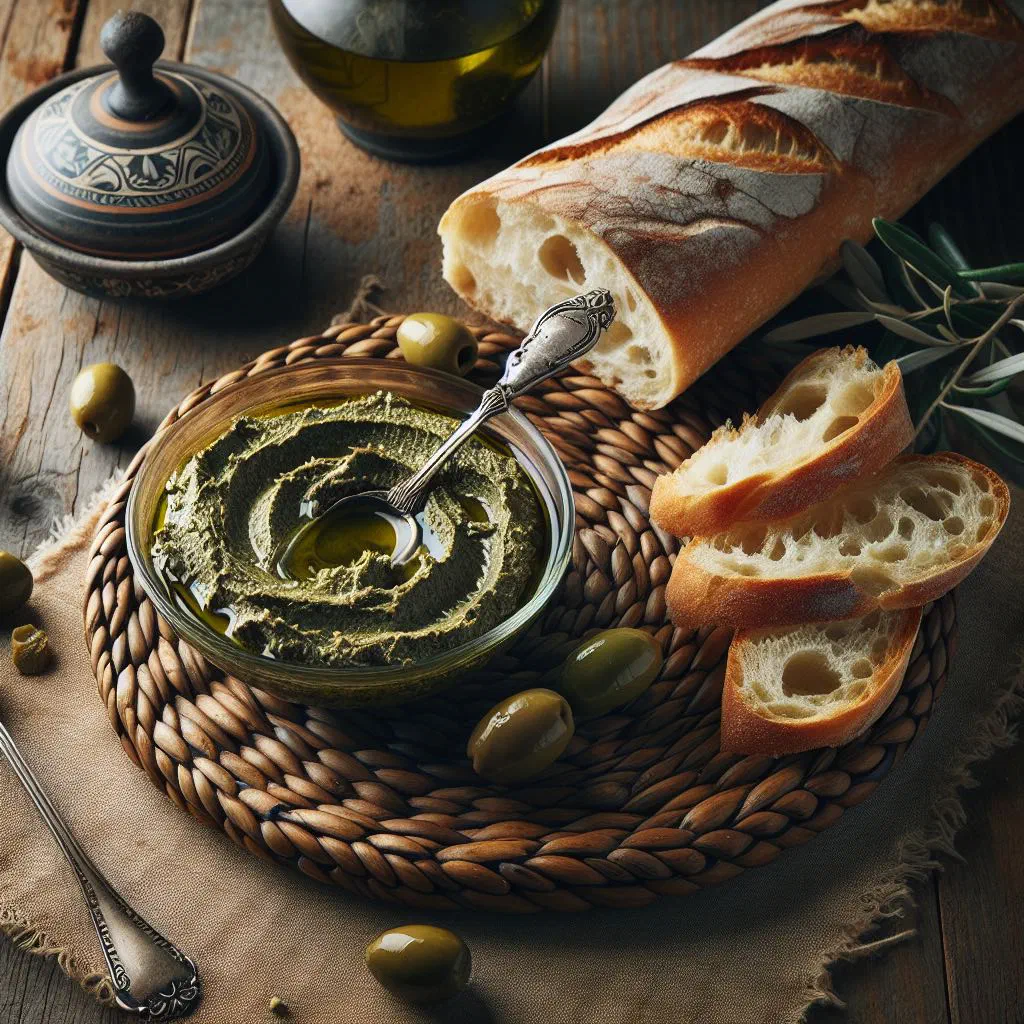
Paté de Aceitunas, also known as olive tapenade, is a true highlight of Mediterranean cuisine. With its intense colour and hearty, savoury flavour it pleases the eye as much as the palate. The dish works beautifully as a starter spread straight onto fresh bread, or as a tasty companion to a selection of tapas. It captures the relaxed Spanish way of life in the most delicious way, bringing a little piece of culture directly to your table.
Ingredients (serves 1–2)
- 150g black olives, pitted
- 50g green olives, pitted
- 2 cloves garlic
- 3 tablespoons olive oil
- 1 tablespoon lemon juice
- 1 teaspoon capers
- A pinch of salt and pepper
Shopping for the ingredients
To make a delicious Paté de Aceitunas, choose the freshest, best-quality ingredients you can find. Visit a local market or a deli to explore the range of olive varieties on offer. Look for olives without added preservatives so that their natural aroma stays intact. The quality of the olive oil matters just as much, as it has a major influence on the flavour of the finished paste.
Preparing the dish
Before you begin, it pays to have all your ingredients ready and to take care of any prep work in advance. Drain the olives well and peel the garlic cloves. Rinse the capers too, which softens their salty edge. Make sure you have the right piece of kit to hand, a blender or food processor, so you can work the ingredients into a smooth, creamy consistency.
Step-by-step instructions
- Add the black and green olives to the food processor along with the peeled garlic cloves.
- Tip in the capers, the olive oil and the lemon juice.
- Blend everything until it forms a creamy paste, pausing now and then to scrape down and stir.
- Season the paste with a pinch of salt and pepper, then blend once more to distribute the seasoning evenly.
- Spoon the paté into a sealable jar and let it rest in the fridge for a few hours so the flavours can develop.
Gluten-free / lactose-free version
Paté de Aceitunas is naturally gluten-free and lactose-free, which makes it ideal for anyone with those intolerances. Just be sure that the bread or other accompaniments you serve alongside are also gluten-free, so the whole dish suits everyone at the table. Plenty of gluten-free bread alternatives are now widely available and make a perfect partner for this paste.
Tips for vegans and vegetarians
Paté de Aceitunas is perfect for vegans and vegetarians, as it contains no animal products at all. To ring the changes, you can fold in extra vegetables such as puréed artichokes or roasted peppers to vary the flavour. Do check that the capers and olives are not preserved in a vinegar that might contain animal-derived ingredients. With that small tweak, the dish stays tasty and wholesome and nourishing.
More tips and tricks
A well-made Paté de Aceitunas is a real treat and lends itself to all sorts of variations. Experiment with different olive varieties, or stir in sun-dried tomatoes or a little soft cheese to test new flavours. Fresh herbs such as basil or thyme can also give the paté an interesting lift. Just before serving, drizzle the surface with a touch of olive oil to make it look its best.
Adapting the recipe to your taste
The best thing about Paté de Aceitunas is its versatility. Depending on your own preference, you can adjust the ingredients, swapping green olives for more black olives, say, or adding extra garlic for a punchier flavour. You can also vary the ratio of olives to oil to change the texture of the paste. Tweaks like these let you tune the recipe perfectly to your individual taste, much as you might with a classic Sepia con Alioli.
Ingredient substitutions
If you do not have certain ingredients to hand, there are plenty of alternatives for Paté de Aceitunas. Instead of capers, for example, you could use chopped green peppers to add a fresh note. The lemon juice can be swapped for lime juice to give the paté a different twist. Be bold about trying new combinations and let other culinary traditions inspire you.
Drink pairing ideas
When you serve Paté de Aceitunas, the right drink can round off the whole experience. A crisp white wine such as a Verdejo or an Albariño pairs wonderfully with the Mediterranean flavours. For an alcohol-free option, a refreshing lemon water or a fruity iced tea works a treat. These pairings complement the flavours elegantly and bring a pleasant harmony to the table.
Serving and presentation ideas
Thoughtful presentation can lift the enjoyment of the paté considerably. Serve Paté de Aceitunas in a small bowl, garnished with fresh herbs or a scattering of olives. A rustic, freshly baked loaf or some crisp crackers alongside makes it look especially inviting. You could also lay out a small selection of tapas to create a Mediterranean spread that appeals to the eye and the palate alike, perhaps with a side of Pimientos del Bierzo for colour and contrast.
A bit of history
Paté de Aceitunas has its origins in sunny Spain, where the olive plays a central role in the culinary tradition. Olive trees have been a fixture of the Mediterranean landscape for thousands of years and are prized for their healthful qualities. The making of olive tapenade can be traced back to antiquity and reflects the rich character of Spanish cuisine. Over the years this delicious paste has earned itself a firm place in tapas bars and restaurants alike.
More recipe ideas
Summary: Paté de Aceitunas
Paté de Aceitunas is a delicious and versatile dish that is easy to make and perfect for any occasion. The combination of black and green olives delivers an intense flavour, while serving it as tapas or a starter is a wonderful way to celebrate the Mediterranean way of life. Experiment with different variations and ingredients to create your own signature recipe. This Spanish classic is guaranteed to win over your guests.