National Dish Spain: Poor Man's Potatoes (Recipe)
In this article
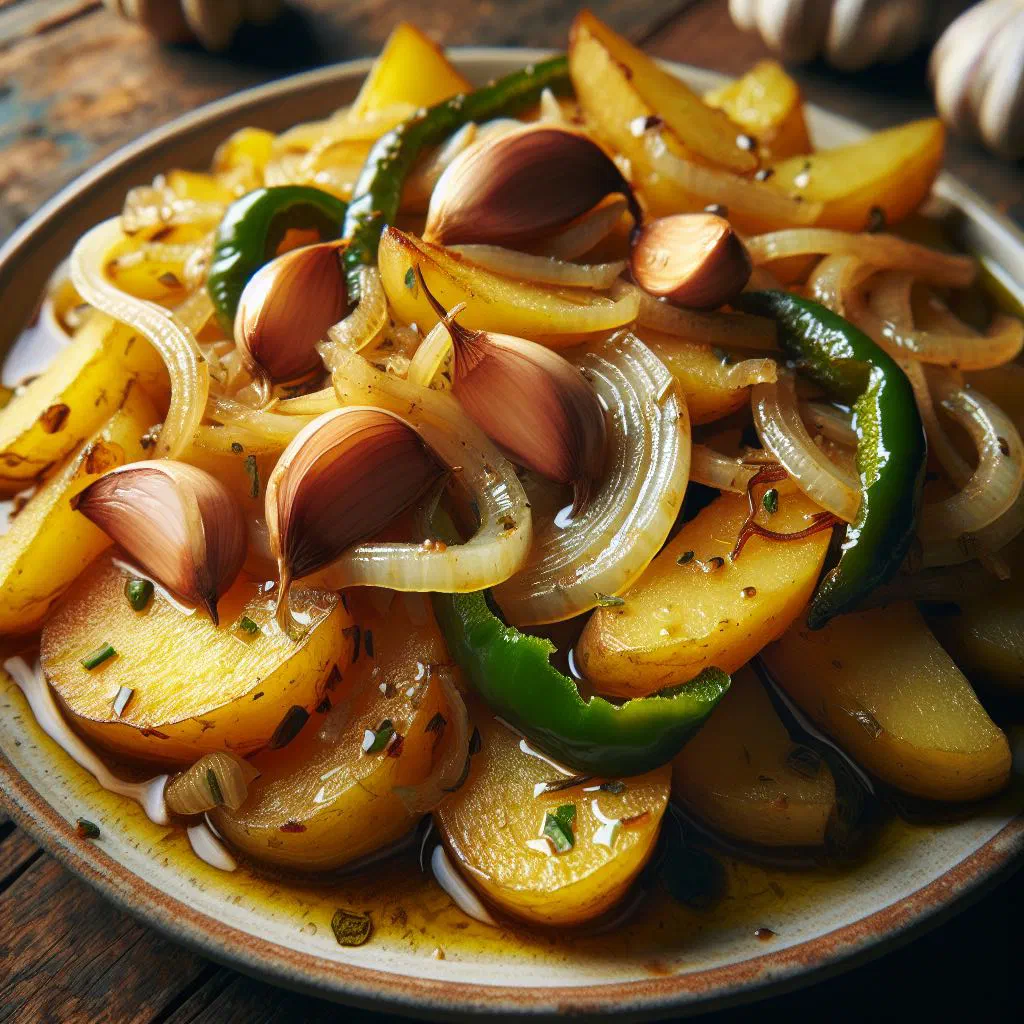
Say hello to Poor Man’s Potatoes, one of Spain’s most comforting kitchen classics. This humble dish brings together thinly sliced potatoes, sweet onions and tender peppers, all gently cooked in plenty of fruity olive oil. Simple yet deeply satisfying, it carries the warm, sunny flavours of the Mediterranean straight to your table. It is honest, rustic food at its very best.
About Poor Man’s Potatoes
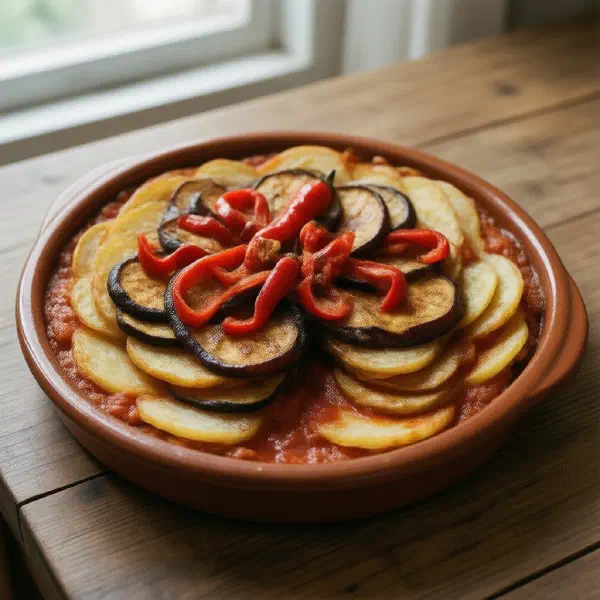
Poor Man’s Potatoes, known in Spanish as patatas a lo pobre, are a traditional Spanish dish found in almost every region of the country. The combination of potatoes, onions and peppers makes for a meal that is wonderfully simple yet full of flavour. It is often served as a side within Mediterranean cooking, but it also stands proudly on its own as a main course. Whether grilled or pan-fried, this dish brings an authentic Spanish aroma right to your plate.
Ingredients (serves 1–2)
- 400 g potatoes
- 1 large onion
- 1–2 red or green peppers
- Olive oil
- Salt and pepper, to taste
- Fresh parsley (optional)
Shopping for the ingredients
The ingredients for Poor Man’s Potatoes are easy to find and available in most supermarkets or at local markets. Take care to choose fresh potatoes, onions and peppers, as the quality of the produce has a big impact on the flavour of the finished dish. Olive oil is an essential ingredient that fries the vegetables and lends the dish its character. Where possible, reach for a good, fruity olive oil to deepen the taste.
Preparing the dish
Getting the ingredients ready for Poor Man’s Potatoes could hardly be simpler. Start by peeling the potatoes and cutting them into thin slices so they cook through evenly. The onion can be cut into rings or dice, while the peppers can be sliced into strips to your liking. It is important to cut everything to a similar size so the vegetables take on a harmonious texture during cooking.
Step-by-step instructions
- Heat plenty of olive oil in a large pan over medium heat.
- Add the onions and fry until they turn lightly translucent.
- Tip in the potato slices and fry for around 10–15 minutes, until golden brown.
- Add the peppers and continue cooking until everything is soft and cooked through.
- Season with salt and pepper, then garnish with fresh parsley if you like.
Gluten-free / lactose-free version
Poor Man’s Potatoes are naturally gluten-free and lactose-free, since the main ingredients, potatoes, onions and peppers, contain none of those components. This makes the dish an ideal choice for anyone with intolerances or particular dietary needs. Just make sure you use a pure olive oil to rule out any cross-contamination.
Tips for vegans and vegetarians
Poor Man’s Potatoes are already a vegan and vegetarian dish, and they adapt easily to suit different tastes. You might, for instance, add extra vegetables such as courgette or carrot to make the dish even more nourishing. A touch of heat is just as welcome. Simply scatter in a little chilli or paprika powder. Experiment with different herbs to match your own taste and refine the dish to perfection.
More tips and tricks
A few tips and tricks will help you get the dish just right. Take care not to slice the potatoes too thickly, so they cook evenly throughout. Keep an eye on the heat while frying; too high a temperature can scorch the potatoes on the outside while leaving them raw within. I would recommend not overcrowding the pan, to ensure an even, golden colour. Let the dish rest for a few minutes before serving to allow the flavours to deepen.
Adapting the recipe to your taste
The versatility of Poor Man’s Potatoes means you can easily tailor the recipe to your own preferences. Feel free to experiment with different spices and herbs to discover new flavours. You can also use different oils to give the dish a slightly different character. Adding cheese or another source of protein can transform it into a fully fledged main course, much like the heartier Migas de Pastor.
Ingredient substitutions
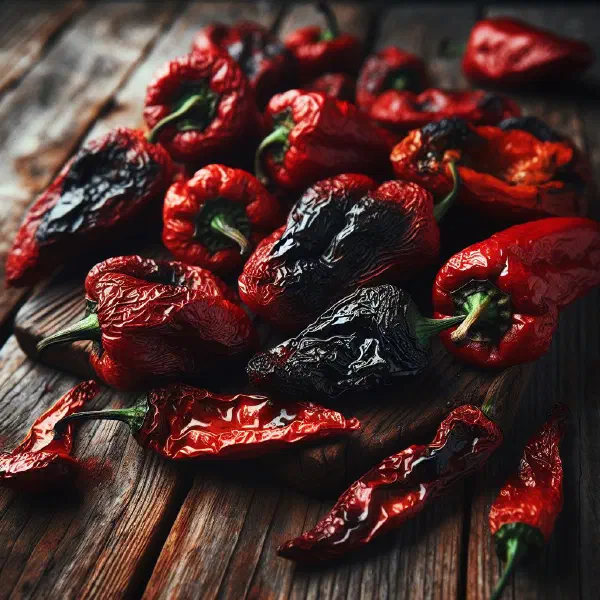
If you do not have certain ingredients to hand, there are plenty of alternatives to fall back on. Sweet potatoes can be used in place of regular potatoes for a sweeter note. Different types of onion, such as red onions or shallots, also work well depending on your taste. If you have no fresh peppers, jarred or frozen peppers do the job nicely and make the preparation even easier, the same kind of glossy peppers that shine in Pimientos del Bierzo.
Drink pairing ideas
To round off the experience of Poor Man’s Potatoes, there are several drinks worth serving. A refreshing Spanish rosé or a lightly sparkling Cava pairs beautifully with this dish. If you prefer something alcohol-free, a homemade lemon and mint iced tea makes a fragrant choice. Experiment with different drinks to find the combination you enjoy most.
Serving and presentation ideas
An appealing presentation can lift the whole experience considerably. Serve the Poor Man’s Potatoes in a rustic pan or on a handsome serving platter. Garnish the dish with fresh herbs or a little grated cheese for that extra wow factor. Take care to arrange the portions so they look inviting and leave your guests’ mouths watering.
A bit of history
The origins of Poor Man’s Potatoes reach far back and are deeply rooted in Spanish food culture. Originally created as a dish for the poor, hence the name, its simple ingredients and uncomplicated preparation are a testament to traditional Spanish cooking. Over the years it has evolved and now finds its place both in home kitchens and on upmarket restaurant menus. The wide variety of preparations reflects the many regions of Spanish cuisine from which it springs, alongside classics such as Patatas Revolconas.
More recipe ideas
Summary: Poor Man’s Potatoes
Poor Man’s Potatoes are simple and a flavoursome dish that showcases the very best of Mediterranean tastes. With minimal effort you can conjure up a hearty plate that appeals to as both a side and a main course. Let Spanish cooking inspire you and enjoy a little taste of holiday on your plate.