National Dish Spain: Potaje (Recipe)
In this article
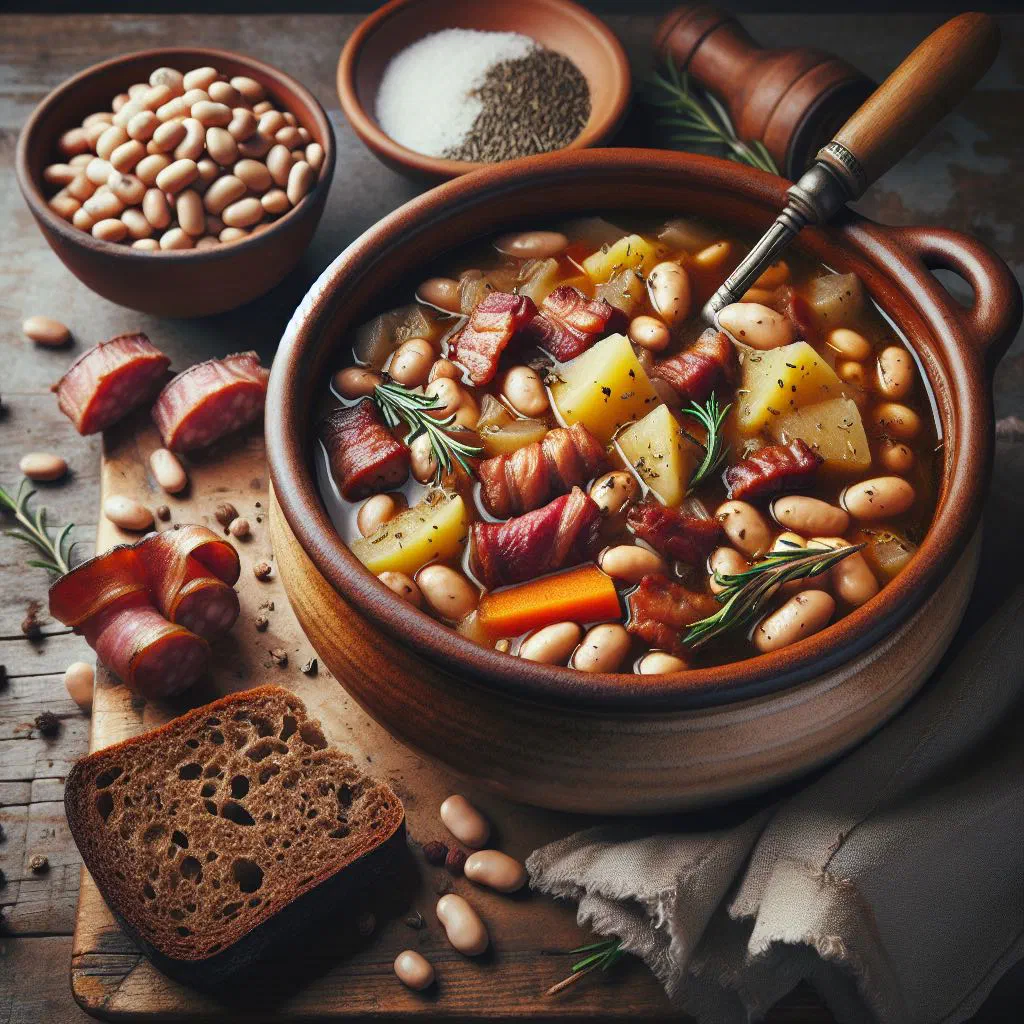
Meet Potaje, one of Spain’s most comforting classics, a hearty bean stew that brings warmth and tradition straight to the table. Built on humble pulses, fresh vegetables and gentle spicing, it delivers big, satisfying flavour from the simplest of ingredients. This nourishing stew never disappoints. Bring a little corner of Spain into your own kitchen.
About Potaje
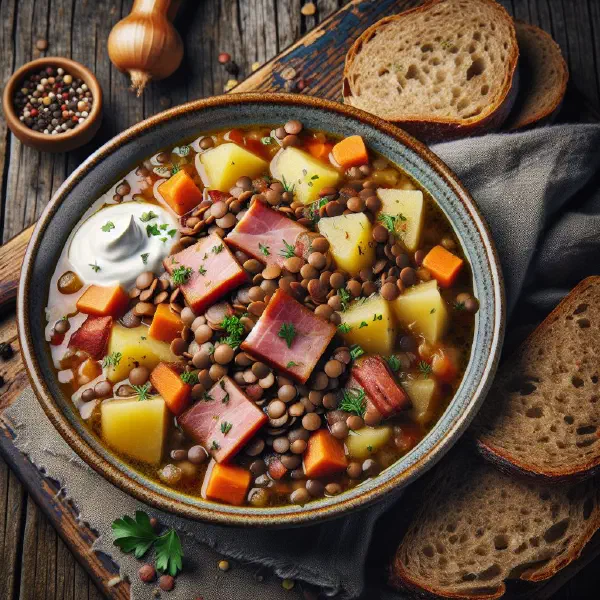
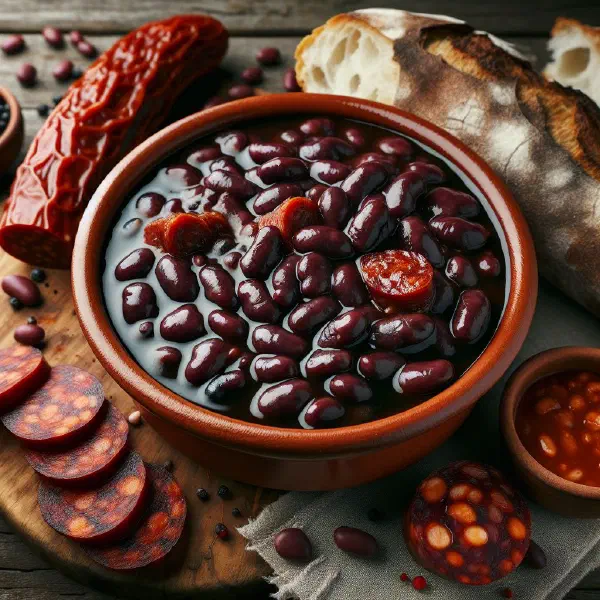
Potaje is a true classic of Spanish cuisine, a dish that marries the simplicity of beans and vegetables with deep, savoury aromas. At its heart sits a generous helping of pulses, chickpeas or white beans, slowly simmered with onion, garlic and a touch of paprika until everything turns meltingly tender. It is equally at home as a relaxed weeknight dinner or as part of a festive spread shared with loved ones. Wholesome, filling and full of character, it is the kind of stew that tastes even better the next day.
Ingredients (serves 1–2)
- 200g beans (e.g. chickpeas or white beans)
- 1 onion
- 2 cloves garlic
- 1 carrot
- 1 potato
- 1 bay leaf
- 1 teaspoon paprika
- Salt and pepper, to taste
- Olive oil
- Water or vegetable stock
Shopping for the ingredients
When shopping for Potaje, it pays to choose good-quality produce. Fresh onions, garlic and carrots give the stew its distinctive flavour, so pick the firmest, brightest ones you can find. Where possible, reach for organic beans to make the most of their full range of nutrients. And do not underestimate the importance of a good olive oil. It is the finishing touch that ties the whole dish together. A quick trip to a local market will usually turn up everything you need.
Preparing the dish
Soak the beans overnight to shorten the cooking time and make them easier to digest. Chop the vegetables into evenly sized pieces so they cook through at the same rate. Measure out the spices and keep them within easy reach to make the cooking process smoother. With everything prepped and ready, your stew is set up for success.
Step-by-step instructions
- Heat the olive oil in a large pot and add the chopped onion and garlic. Fry gently for about 5 minutes, until soft.
- Add the diced carrot and potato and fry for a further 5 minutes.
- Stir in the soaked and drained beans, the bay leaf and the paprika.
- Pour in enough water or vegetable stock to cover all the ingredients, then bring to the boil.
- Reduce the heat and let the stew simmer gently for about 1–1½ hours, until the beans are tender, stirring occasionally.
- Season with salt and pepper to taste and serve piping hot.
Gluten-free / lactose-free version
Potaje is naturally gluten-free and lactose-free, which makes it an ideal choice for anyone with intolerances. The only thing to watch is the vegetable stock, check that it, too, is certified gluten-free. With fresh vegetables and nutrient-rich beans, you end up with a wholesome, easily digestible dish that everyone at the table can enjoy without a second thought. Much like the comforting Espinacas con Garbanzos, it proves that simple, naturally free-from cooking can be deeply satisfying.
Tips for vegans and vegetarians
This stew is already vegan, making it perfect for plant lovers. To add an extra layer of flavour, try a spoonful of smoked paprika or a sprinkle of nutritional yeast. Both deepen the savoury notes and make the dish more interesting. You can also throw in whatever seasonal vegetables you have to hand, tweaking the stew to suit your own tastes. It is a forgiving, generous recipe that welcomes experimentation.
More tips and tricks
To intensify the flavour of your Potaje, add a few sun-dried tomatoes or a squeeze of lemon juice for a gentle lift of acidity and complexity. If you like a bit of heat, a pinch of cayenne pepper or some chilli flakes does the trick nicely. And do not forget to finish the stew with fresh herbs such as parsley or coriander just before serving. They bring a welcome burst of freshness to every bowl.
Adapting the recipe to your taste
Potaje is wonderfully easy to tailor to different palates. For a higher-protein version, stir in some tofu or tempeh. If you prefer a richer, creamier result, a splash of coconut milk works a treat. That is very much in the spirit of rustic Spanish home cooking, where every household has its own beloved variation, as you will find with a pot of Puchero Andaluz.
Ingredient substitutions
If you do not have chickpeas or white beans to hand, lentils or kidney beans make an excellent stand-in. Just as tasty and just as nourishing. Not keen on potatoes? Swap in sweet potatoes or pumpkin instead. And if you are out of olive oil, another plant oil such as rapeseed will do the job without altering the flavour too much. The dish for a similar swap-friendly bean classic, try Fabes con Almejas.
Drink pairing ideas
Potaje pairs beautifully with light, dry wines such as a Spanish Rioja or a crisp white like Albariño. For an alcohol-free option, herbal teas or fruity lemonades work well, while a glass of water with a squeeze of lemon refreshes the palate between mouthfuls. A cool, light beer also makes a fine companion to this hearty, savoury stew.
Serving and presentation ideas
A thoughtful presentation makes any dish all the more inviting. Serve your Potaje in rustic, deep plates or bowls, garnished with fresh herbs and a drizzle of olive oil. A few crisp croutons or a slice of toasted bread alongside lend the meal an extra touch of authenticity, much as you would serve with Migas de Pastor. A sprig of rosemary or thyme as a final flourish adds that certain something.
A bit of history
Potaje has a long history in Spanish cuisine and is traditionally prepared during Lent. Originally a poor man’s meal, it showcases the ingenuity of combining a few simple ingredients into something deeply satisfying. Over the years the dish has evolved and is now enjoyed right across Spain. It has come to symbolise community and abundance, and is often served at festive gatherings, a reminder of how the humblest fare can carry the richest meaning.
More recipe ideas
Summary: Potaje
Potaje is a tasty, nourishing dish that is wonderfully easy to make. With well-chosen ingredients and a little loving care, you can put a traditional Spanish meal on the table with very little fuss. Whether vegan, gluten-free or boosted with extra protein, the stew adapts endlessly to suit your needs. Enjoy this delicious bowlful and bring a piece of Spain to your own table.