National Dish Spain: Pringá (Recipe)
In this article
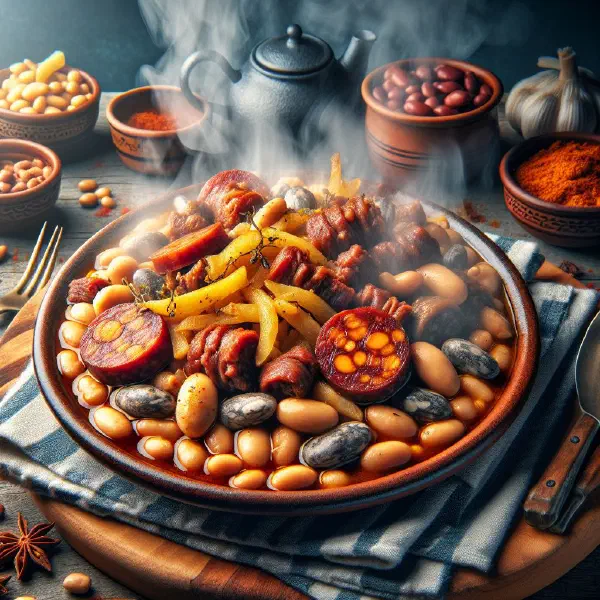
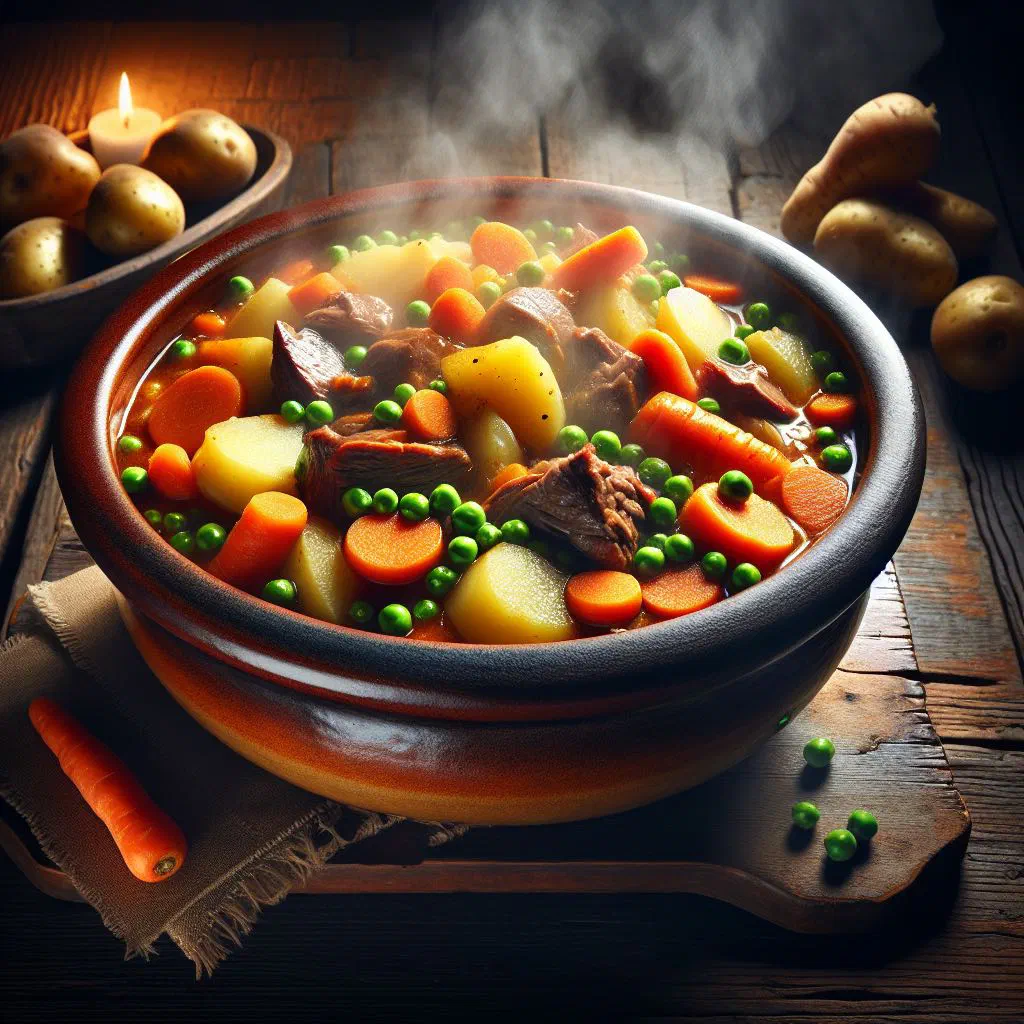
Meet Pringá, a soul-warming stew from the heart of Andalusia that turns a handful of humble ingredients into something genuinely special. Tender pork, smoky chorizo and rich blood sausage simmer slowly together with potatoes and carrots until everything is meltingly soft and deeply savoury. Traditionally enjoyed as a second course and scooped up with crusty bread, it is the kind of generous, unfussy cooking that brings people round the table. Bring a taste of southern Spain straight into your own kitchen.
About Pringá
Pringá is a traditional Spanish stew from the region of Andalusia, celebrated above all for its simplicity and its wonderfully hearty flavour. The dish brings together a combination of meats, sausages and often vegetables, all cooked slowly until they turn tender and aromatic. Pringá is usually served as a second course after a soup or broth, with the meat and pieces of sausage eaten straight from the pot. The freedom you have in choosing the ingredients is exactly what makes this dish so special and so adaptable to different tastes and preferences.
Ingredients (serves 1–2)
- 200g pork shoulder
- 100g chorizo
- 100g blood sausage (morcilla)
- 150g beef
- 1 large potato
- 2 carrots
- 1 onion
- 2 garlic cloves
- Salt and pepper
- Olive oil
Shopping for the ingredients
The ingredients for pringá should be of good quality, as they have a big influence on the final flavour of the dish. Fresh meat and high-quality sausages are key to drawing out the full, rounded taste. It is well worth buying your ingredients at a market or a well-stocked supermarket with a broad selection of fresh produce. The regional origin of the ingredients matters too, helping you capture the authentic flavours of Andalusian cooking.
Preparing the dish
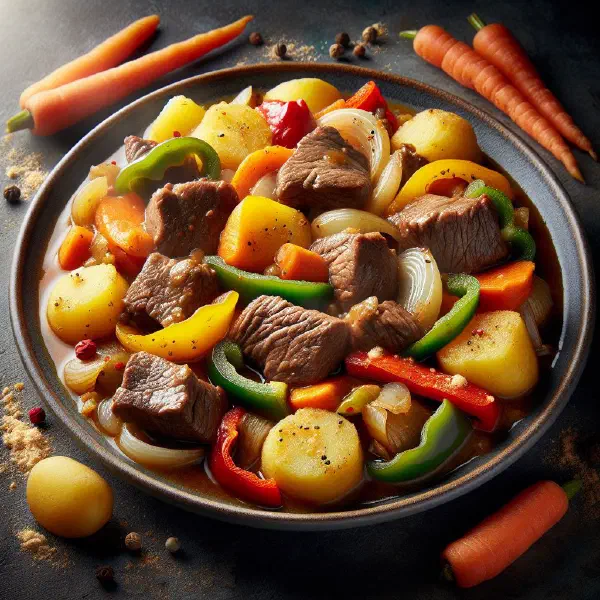
Preparing pringá begins with peeling and chopping the potatoes and carrots into chunky pieces. The onion and garlic are finely chopped, while the meat is cut into medium-sized pieces so it cooks through evenly. The chorizo and morcilla are sliced into thick rounds. It is important to have everything ready before you start cooking, so the whole process runs along smoothly.
Step-by-step instructions
- Heat the olive oil in a large pot and sauté the onion and garlic until golden brown.
- Add the pork shoulder and the beef, and brown them on all sides until lightly coloured.
- Add the potatoes and carrots, then cover everything with water.
- Season with salt and pepper and let it simmer over medium heat for about 45 minutes.
- Add the chorizo and morcilla and cook for a further 15–20 minutes.
Gluten-free / lactose-free version
Pringá is naturally gluten-free and lactose-free, provided no additional gluten- or lactose-containing products are used. Take care that the sausages contain no additives that might include these allergens. When buying the sausage, check the list of ingredients or, if in doubt, ask your butcher. There are also specialist sausages made specifically for people with intolerances.
Tips for vegans and vegetarians
For a vegan or vegetarian version of pringá, the meats and sausages can be swapped for plant-based alternatives. Tofu, seitan or jackfruit, for example, do a great job of mimicking a similar texture and flavour. Vegetables such as aubergines or peppers can also be added to deepen the range of flavours. The secret lies in the seasoning: a robust vegetable stock, smoked paprika and a few well-chosen spices deliver a satisfyingly intense taste.
More tips and tricks
To intensify the flavour of pringá even further, the meat can be marinated before cooking. A marinade of olive oil, garlic, paprika and a little lemon juice can work real wonders. Be sure to cook the pringá over low heat so that all the flavours are released slowly and the meat turns beautifully tender. Slow cooking is the single most decisive factor for both the flavour and the texture of the dish.
Adapting the recipe to your taste
The ingredients and method for pringá can easily be adjusted to suit your own preferences. You might use lamb in place of the pork or beef, for instance, much as you would in a Caldereta de Cordero. The type of sausage can be varied to taste as well. Some prefer their pringá with a little kick, adding more chorizo or a dash of hot sauce. The important thing is to experiment with the ingredients until you find the perfect balance of flavours.
Ingredient substitutions
If some ingredients are not to hand, there are always alternatives. Instead of pork shoulder, you can use a piece of pork belly or even chicken. When it comes to the blood sausage (morcilla), there are many different regional varieties that serve the same purpose. The vegetables can be varied too: parsnips or sweet potatoes in place of carrots will give the dish a slightly different character. For more of these hearty, slow-cooked ideas, take a look at the Puchero Andaluz.
Drink pairing ideas
A hearty dish like pringá calls for robust drinks. A Spanish red wine, such as a Tempranillo or Garnacha, pairs wonderfully with the bold flavours of the stew. If wine is not your thing, a full-bodied beer or a crisp cider also goes down well. For an alcohol-free option, a homemade iced tea or a spicy ginger ale fits the bill nicely. The drinks should complement the rich flavours of the pringá rather than overpower them.
Serving and presentation ideas
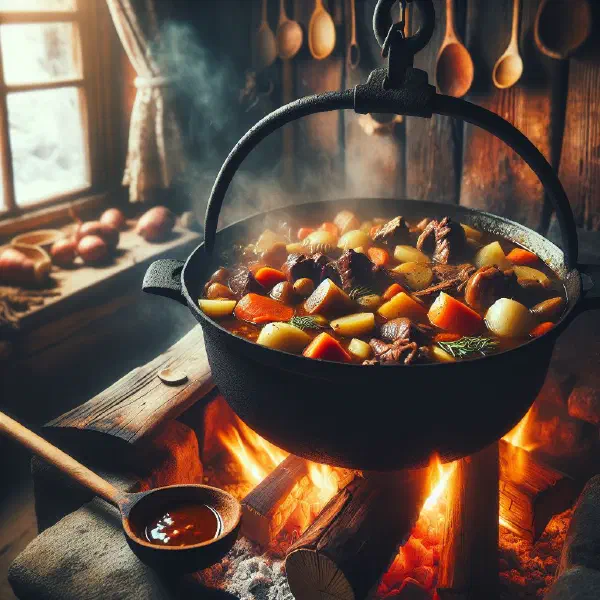
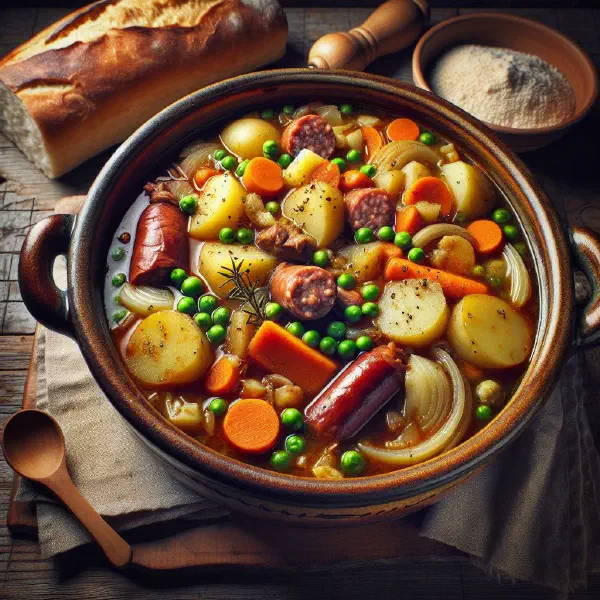
Presentation plays a big part in getting the most out of pringá. Serve the dish in a rustic pot or a cast-iron pan to keep the warmth and aromas locked in. Garnish it with freshly chopped coriander or parsley for a fresh splash of colour. A loaf of rough country bread or toasted slices of baguette make the ideal accompaniment for mopping up the sauce. Every bit as inviting as a plate of Migas de Pastor. The combination of appealing presentation and robust flavour turns this dish into a real event.
A bit of history
Pringá has its roots in the peasant cooking of Andalusia, where it was traditionally prepared as a nourishing meal for those working in the fields. The name “pringá” comes from the Spanish word pringar, meaning “to dip”, a nod to the way bread is dipped into the sauce. The dish is also a symbol of togetherness, since it is typically made in large quantities and shared among family and friends. This tradition lives on to this day, particularly in the rural parts of Andalusia, and sits proudly alongside the rest of Spanish cuisine.
More recipe ideas
Summary: Pringá
Pringá is more than just a stew; it is a piece of Spanish culture and tradition. This hearty, aromatic dish brings people together and offers no end of ways to adapt it to every taste. From the choice of ingredients right through to the presentation, there are countless opportunities to turn this traditional recipe into a memorable experience. Give it a go and discover the wonderful variety of Andalusian cooking.