National Dish Spain: Quesada Pasiega (Recipe)
In this article
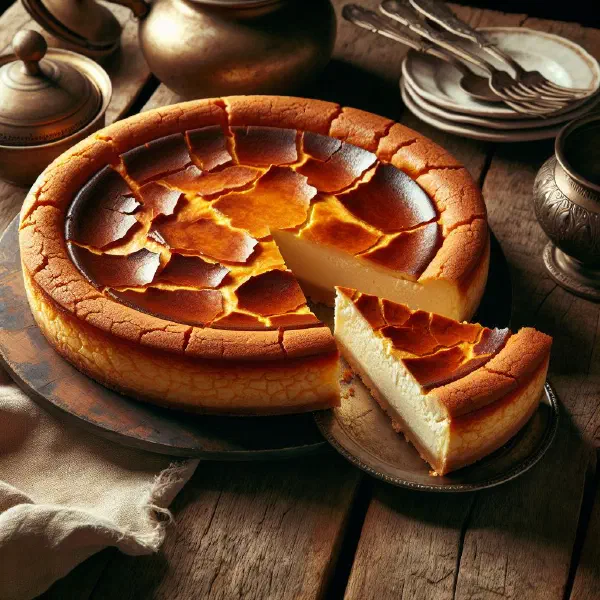
Discover Quesada Pasiega, the celebrated sweet treat of northern Spain. This traditional cheesecake from the green hills of Cantabria is wonderfully simple yet utterly memorable, marrying the creaminess of fresh cheese with the warmth of cinnamon and a bright lift of lemon zest. With its dense, custardy crumb and golden top, it is the kind of bake that turns an ordinary afternoon into a small celebration. Bring a taste of the Cantabrian countryside straight to your own table.
About Quesada Pasiega
Quesada Pasiega hails from the region of Cantabria in northern Spain and is regarded as one of the area’s most iconic sweet delicacies. This style of firm, set cheesecake is traditionally made with fresh cow’s milk cheese, giving it a rich, tender texture quite unlike a baked sponge. The dish is straightforward to prepare yet impresses with its unmistakable flavour, combining the creaminess of the cheese with a gentle hint of cinnamon and a touch of lemon zest. It is comfort baking at its finest, humble in its ingredients, yet deeply satisfying.
Ingredients (serves 1–2)
- 500g fresh cow’s milk cheese
- 200g sugar
- 100g plain flour
- 2 eggs
- 50g butter, melted
- 1 teaspoon cinnamon
- Zest of 1 lemon, grated
Shopping for the ingredients
When shopping, it is well worth paying close attention to the quality of the fresh cow’s milk cheese, as it is the main component of Quesada Pasiega. A trip to a farmers’ market or a specialist dairy shop can really pay off here. The eggs should be as fresh as possible too, helping to give the cake a light, airy set. The remaining ingredients are easy to find in any well-stocked supermarket, much like the everyday pantry staples behind a comforting Bizcocho de Naranja.
Preparing the dish
Before you begin, bring all the ingredients up to room temperature. This makes everything easier to combine and helps ensure an even, smooth batter. The fresh cheese should be well drained and broken up, while the flour is best sifted to avoid any lumps forming. As a final bit of groundwork, grate the lemon and gently melt the butter so both are ready to fold straight into the mix.
Step-by-step instructions
- Preheat the oven to 180°C and grease a baking tin.
- Tip the crumbled cow’s milk cheese into a large bowl and beat it together well with the sugar, eggs and melted butter.
- Add the sifted flour a little at a time, stirring continuously until you have a smooth batter.
- Stir through the cinnamon and lemon zest to bring aroma to the mixture.
- Pour the batter into the prepared tin and smooth the top level.
- Place the tin in the preheated oven and bake for 45–50 minutes, until the cake is golden brown and a skewer comes out clean.
- Remove from the oven and leave to cool completely before serving.
Gluten-free / lactose-free version
For a gluten-free version of Quesada Pasiega, simply swap the plain flour for a gluten-free flour blend. Lactose-free alternatives for both the cheese and the butter are readily available these days, so the dish is easy to adapt. Just make sure every ingredient you use is clearly labelled as gluten- and lactose-free to avoid any cross-contamination, and everyone can enjoy a slice without worry.
Tips for vegans and vegetarians
Although the traditional Quesada Pasiega contains animal products, it can be adapted to suit a vegan diet. In place of cow’s milk cheese, use a mixture of vegan cheese and silken tofu for a similar set. Vegan butter and plant-based milk alternatives work well for the rest of the recipe too. To hold the texture together, reach for a vegan egg substitute such as apple purée or ground flaxseed.
More tips and tricks
To achieve the best texture for your Quesada Pasiega, let the cake cool slowly in the switched-off oven after baking. This helps prevent a sudden sinking in the middle. Use the freshest ingredients you can to lift the flavour. A thermometer can be handy for checking that the centre is properly baked through. For an extra hint of aroma, you might also add a splash of vanilla extract.
Adapting the recipe to your taste
The Quesada Pasiega recipe is easy to tailor to your own preferences. You could increase or reduce the amount of sugar, for instance, depending on how sweet you like it. If you are fond of raisins, a handful stirred into the batter works beautifully. Feel free to experiment with different spices such as nutmeg or cloves for an interesting twist on the classic flavour.
Ingredient substitutions
If you do not have fresh cow’s milk cheese to hand, ricotta or cream cheese make excellent stand-ins. Margarine can be used in place of butter, and for a lighter version you can replace part of the sugar with natural sweeteners such as stevia or erythritol. No fresh lemon? A little lemon extract will do the job nicely, the same kind of easy swap that keeps a tray of Galletas Maria con Chocolate flexible.
Drink pairing ideas
As a dessert, Quesada Pasiega pairs wonderfully with a sweet white wine, such as a Moscatel. If you would rather avoid alcohol, an aromatic coffee or a herbal tea makes a lovely match instead. A glass of fresh lemonade also harmonises nicely with the mild cheesecake. For something different, try a fresh fruit juice blend to echo and enhance the citrus notes running through the cake.
Serving and presentation ideas
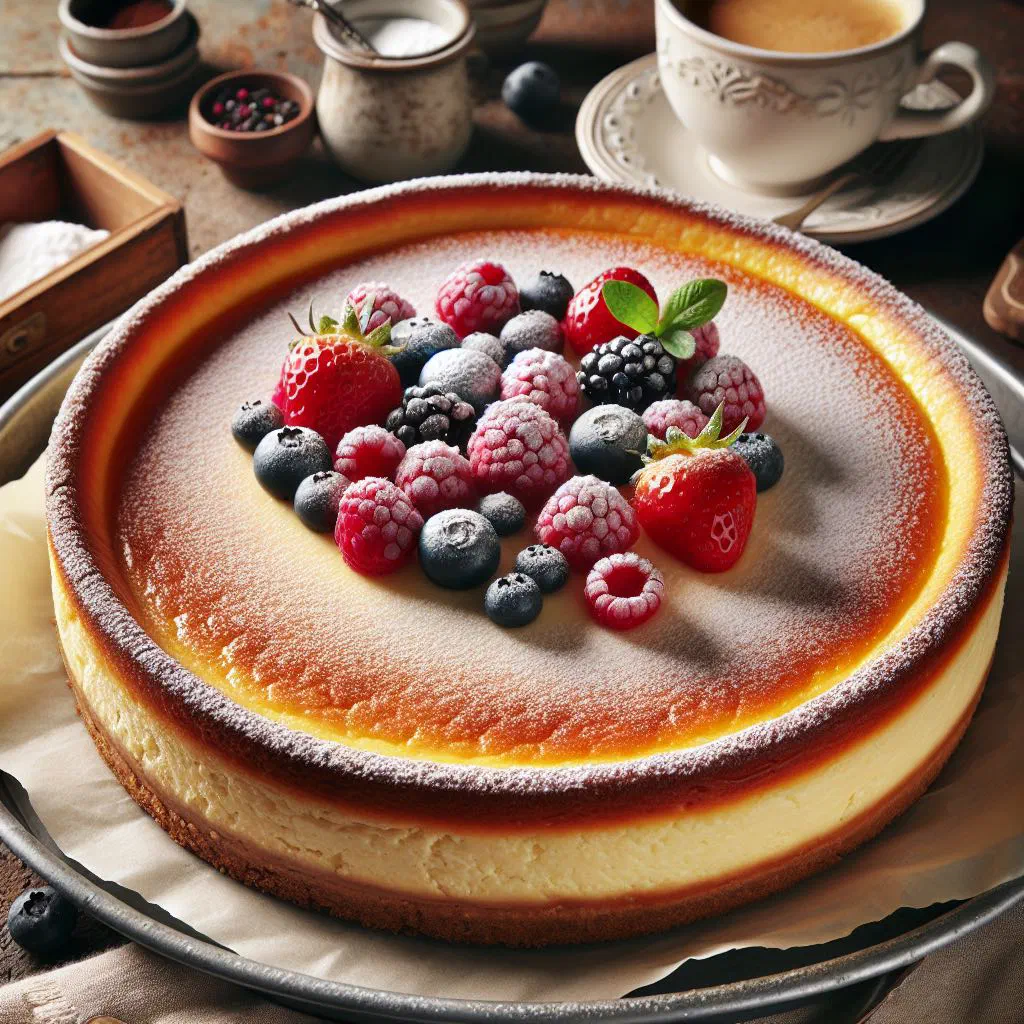
Thoughtful presentation can heighten the pleasure of Quesada Pasiega. Serve the cake in small, neat slices on an elegant plate. A dusting of icing sugar on top, or a garnish of fresh berries, makes it even more inviting. A small dollop of whipped cream or a scoop of vanilla ice cream works beautifully as a topping too. Colourful napkins or simple decorative touches help dress the dish up for the table.
A bit of history
Quesada Pasiega has a long tradition in the region of Cantabria and is often served at celebrations and festivals. Its origins lie in the farming communities of the area, where ingredients such as milk and eggs were readily to hand. Originally the cake was a clever way to use up surplus dairy, and over time it became a cherished symbol of Cantabrian cooking, a recipe passed lovingly from one generation to the next, much like the time-honoured bakes of Spanish cuisine.
More recipe ideas
Summary: Quesada Pasiega
Quesada Pasiega is a traditional Spanish cheesecake from Cantabria, made with fresh cow’s milk cheese, sugar, eggs, butter and warming spices. The recipe is simple and adapts easily to different dietary needs and flavour preferences. This cheesecake wins hearts with its effortless preparation and its rich, aromatic taste. Bake it for all kinds of occasions and savour a slice of Spanish baking tradition.