National Dish Spain: Roscón de Reyes (Recipe)
In this article
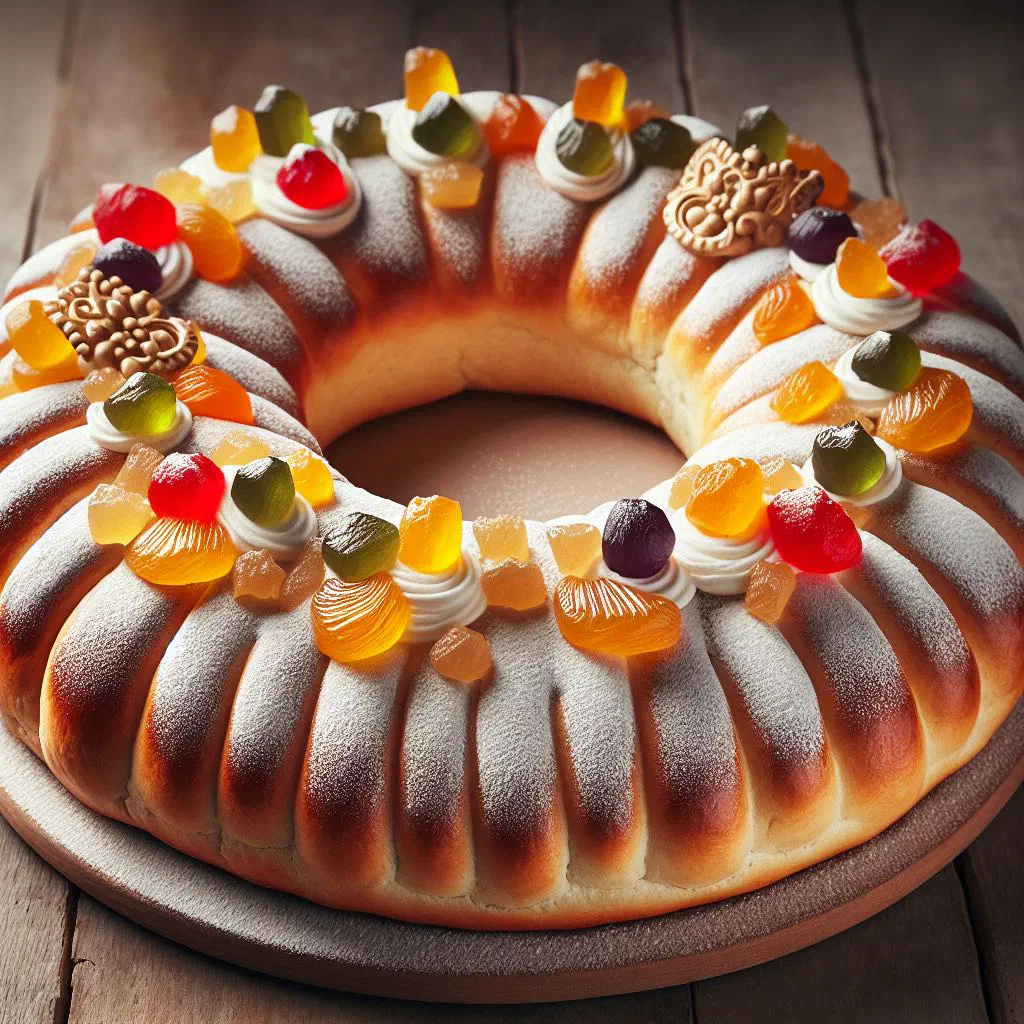
Meet Roscón de Reyes, Spain’s festive crown of a cake served every 6th January for Three Kings Day. This ring-shaped sweet bread is built on a light, airy brioche dough and crowned with jewel-like candied fruit, sugar and almonds. More than a treat, it is a treasured family ritual: a tiny figurine and a dried bean are tucked into the dough, turning every slice into a moment of suspense. Bring a little Spanish celebration straight to your own kitchen.
About Roscón de Reyes
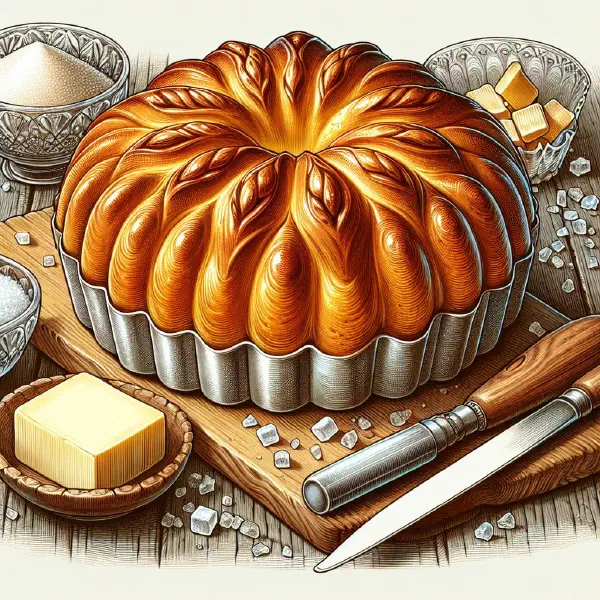
Roscón de Reyes is a much-loved and deeply traditional bake enjoyed across Spain on 6th January, the feast of the Three Kings. This ring-shaped dessert of light brioche dough is a culinary highlight and a firm part of Spanish culture. The roscón is usually decorated with sugar, almonds and colourful candied fruit, which give it a wonderfully festive appearance. The most exciting part is hiding a small figurine and a dried bean inside the dough, a thrilling ritual for friends and family alike.
Ingredients (serves 1–2)
- 250 g flour
- 100 ml milk
- 80 g sugar
- 2 eggs
- 40 g butter
- 20 g yeast
- 1 tsp grated orange and lemon zest
- 1 pinch of salt
- Colourful candied fruit, for decorating
- Flaked almonds
- A figurine and a dried bean
Shopping for the ingredients
When shopping for the ingredients for roscón de reyes, it is worth choosing fresh produce. Make sure the yeast is fresh, as it is crucial for the fluffy texture of the dough. For the candied fruit you can pick a mix of different kinds to give the roscón a bright, festive look. A trip to your local supermarket or market offers the best chance of finding high-quality, authentic ingredients, much like sourcing the components for a classic Bizcocho de Naranja.
Preparing the dish
Good preparation is key to a successful roscón de reyes. Start by measuring out all the ingredients and having them ready, which makes the whole process much easier. It is a good idea to take the butter out of the fridge in good time so it softens and blends more readily into the dough. You can then prepare the fruit and almond decoration, making sure everything is ready the moment the dough is.
Step-by-step instructions
- In a bowl, mix the yeast with the warm milk and a tablespoon of sugar, then leave to rest for 10 minutes.
- Tip the flour into a large bowl and form a well in the centre.
- Add the butter, the remaining ingredients (except the decoration) and the yeast mixture.
- Knead the dough thoroughly until smooth, then leave it to rise in a warm place for 1–2 hours.
- Roll out the risen dough on a floured surface and shape it into a ring.
- Place the roscón on a baking tray, cover with a cloth and leave to rise again for 30 minutes.
- Preheat the oven to 180°C and bake the roscón for about 20–25 minutes, until golden brown.
- Once cooled, tuck in the figurine and the bean, then decorate with the candied fruit and almonds.
Gluten-free / lactose-free version
Roscón de reyes can easily be made gluten-free or lactose-free with a few swaps. You can use a gluten-free flour, such as rice or almond flour, to create a gluten-free take on the traditional recipe. For a lactose-free version, use plant-based milk and lactose-free butter, which still give the dough a lovely texture. These alternatives mean that people with particular dietary needs can enjoy the sweet tradition too.
Tips for vegans and vegetarians
If you would like to make a vegan version of roscón de reyes, you can replace the eggs with plant-based alternatives such as apple purée or chia seeds. In place of butter, vegan margarine or coconut oil works well. Take care to choose plant-based options for the decoration as well. That way the roscón de reyes stays a delicious, festive dessert for vegetarians and vegans alike.
More tips and tricks
A few extra tips will help you create the perfect roscón. Knead the dough well so it turns out beautifully fluffy. The resting times are essential steps that should not be cut short, as they greatly improve both flavour and texture. A splash of orange blossom water is also a lovely addition, lending the dough an extra layer of aroma.
Adapting the recipe to your taste
To make your roscón de reyes your own, you can adjust several ingredients. The candied fruit can be varied, or you could even add chocolate chips for an extra hit of sweetness. The spices can change too. Try cinnamon or vanilla to explore different flavours. Tailoring the recipe to personal taste makes the baking even more rewarding and fun.
Ingredient substitutions
If you do not have every ingredient to hand, there are plenty of alternatives to fall back on. Instead of wheat flour you can use spelt flour, which gives the dough a different but equally delicious flavour. If you have no fresh fruit, frozen or preserved varieties work well too. These options are practical and help cut down on food waste. The same flexible approach suits other Spanish sweets such as Galletas Maria con Chocolate.
Drink pairing ideas
A roscón de reyes pairs beautifully with a range of drinks to round off the experience. A classic Spanish cava or a sweet sherry harmonises wonderfully with the cake’s sweet aromas. For those who prefer something less alcoholic, a glass of fresh orange juice or hot chocolate milk is also very popular. These drinks complete the festive treat and create a fully rounded tasting experience.
Serving and presentation ideas
The presentation of roscón de reyes is another important part of the celebration. You can arrange the roscón on a beautiful serving plate and decorate it with extra fruit, or dust it with icing sugar for an elegant finish. Adding colourful linens or festive touches around the cake heightens the celebratory mood. An inviting presentation makes the meal even more exciting and appealing for your guests.
A bit of history
The history of roscón de reyes reaches all the way back to ancient Rome, where a similar cake was baked during the festivities in honour of the god Saturn. Over time the bake developed its own cultural significance in Spain, especially on Three Kings Day. The tradition of hiding a figurine and a bean inside the dough symbolises luck and prosperity. The roscón is therefore more than a delicious dessert but also part of Spanish identity and the celebration of community, a hallmark of Spanish cuisine.
More recipe ideas
Summary: Roscón de Reyes
Roscón de reyes is a delicious bake and part of a deeply rooted tradition in Spain. With its fluffy dough, colourful decoration and hidden figurine, it turns Three Kings Day into something truly special. Making a roscón is a festive event for the whole family. Enjoy the sweet tradition and remember the meaning of coming together and celebrating.