National Dish Spain: Rossejat de Fideus (Recipe)
In this article
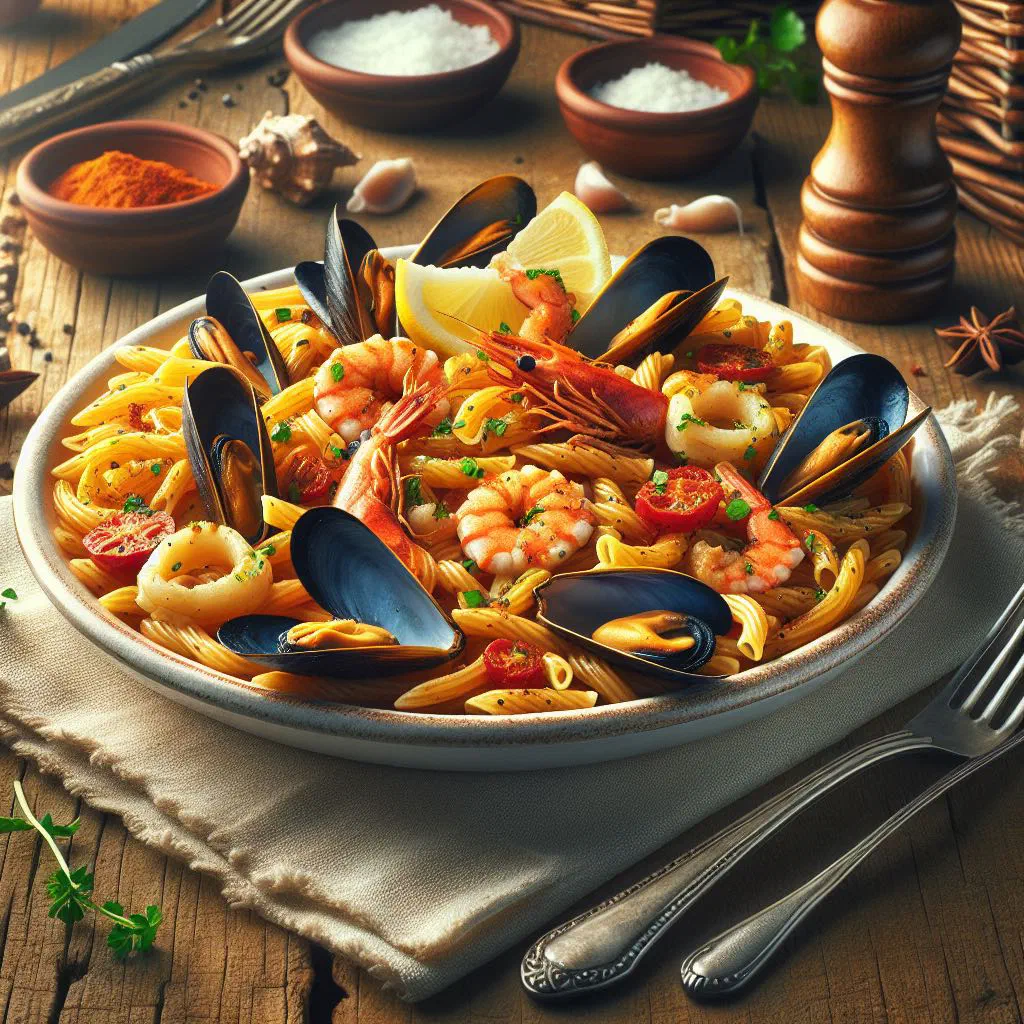
Say hello to Rossejat de Fideus, a sun-soaked treasure from the Spanish coast. This Mediterranean classic brings together delicate toasted noodles, a fragrant fish stock and a generous helping of fresh seafood. With its warm aromas of garlic and smoked paprika, it is the kind of dish that turns a simple supper into a small celebration. Bring the spirit of a Valencian seaside kitchen straight to your own table.
About Rossejat de Fideus
Rossejat de Fideus is a deeply traditional dish from Spanish cuisine, especially beloved along the coast in regions such as Valencia. This hearty dish pairs tender fideus noodles with an aromatic broth made from fish and seafood. Its roots lie firmly in Mediterranean food culture, and it is often served at festive occasions and family gatherings. The harmonious blend of spices, fresh ingredients and the characteristic cooking method makes Rossejat de Fideus a genuine treat.
Ingredients (serves 1–2)
- 200 g fideus noodles
- 300 ml fish stock
- 200 g mixed seafood (e.g. prawns, squid)
- 1 small onion, diced
- 2 cloves garlic, finely chopped
- 1 teaspoon smoked paprika
- Olive oil, for frying
- Salt and pepper, to taste
- Fresh parsley, to garnish
Shopping for the ingredients
When shopping for the ingredients, pay close attention to the quality of the seafood. Freshly caught prawns and squid will give your dish the best possible flavour. The fideus noodles should also be of good quality to ensure an ideal texture. Your best bet is to visit a local market or a specialist fishmonger to track down the freshest produce.
Preparing the dish
Preparing the dish is a crucial step in making sure all the flavours come together beautifully. Start with the onion and garlic, both of which should be finely diced or chopped. These ingredients build the base flavours of the dish and should be gently softened in olive oil. While the onion turns translucent, you can already begin warming the stock so that everything is ready at the same time.
Step-by-step instructions
- Heat a tablespoon of olive oil in a pan and sauté the onion and garlic until translucent.
- Add the fideus noodles and toast them for about 2 minutes, until lightly golden brown.
- Pour in the fish stock and add the spices. Bring everything to the boil, then reduce the heat.
- Add the seafood and let the dish simmer gently over low heat for about 8–10 minutes.
- Season to taste with salt and pepper, then garnish with fresh parsley before serving.
Gluten-free / lactose-free version
Rossejat de Fideus is straightforward to prepare in a gluten-free and lactose-free way. There are special gluten-free fideus noodles that make an excellent alternative to the conventional kind. Take care that the fish stock is also free from any gluten-containing additives. The addition of fresh seafood stays exactly the same and continues to deliver the dish’s signature flavour.
Tips for vegans and vegetarians
For vegans and vegetarians, Rossejat de Fideus is easy to adapt. Instead of seafood, you can use seasonal vegetables or plant-based protein sources such as tofu. A vegetable stock replaces the fish stock to bring the flavour into line. Be sure to use plant-based oils too, so that the dish is fully vegan.
More tips and tricks
A few tips and tricks can make the dish even more delicious. Use good-quality spices to give the flavours more depth. Toasting the noodles is essential for developing that extra layer of taste. Beyond that, you can also finish the dish with toasted almonds or pine nuts, which add a lovely crunchy texture. For more shellfish inspiration, take a look at Almejas en Salsa Verde.
Adapting the recipe to your taste
Adapting the recipe to your taste is easily done with Rossejat de Fideus. Experiment with different seafood, or add regional ingredients to bring the dish in line with your own preferences. You can also turn up the heat by adding fresh chillies or spicier seasonings. That way the traditional dish becomes your own personal culinary creation, much like a hearty Caldereta de Marisco.
Ingredient substitutions
If some ingredients are not available, there are always substitutions to fall back on. In place of fideus noodles, you can use rice noodles, which offer a similar texture. For the broth, a vegetable stock combined with a touch of seaweed works well to deepen the umami flavour. The seafood can also be swapped for less common options such as mussels or cockles to vary the dish, a clever twist also found in Fabes con Almejas.
Drink pairing ideas
The right drink can round off the whole experience. Good drink pairing ideas include chilled white wines, which complement the seafood perfectly. A dry Cava or a crisp rosé also make excellent companions. For alcohol-free alternatives, a mint lemonade or a refreshing iced tea fit the bill nicely.
Serving and presentation ideas
Presentation should never be an afterthought. The best serving and presentation ideas start with a large bowl, where the colours of the ingredients can really shine. A garnish of fresh herbs such as parsley or coriander adds that special something. Decorating with lemon wedges highlights the Mediterranean note and makes the dish look even more appetising, just as it does in Merluza en Salsa Verde.
A bit of history
The history of Rossejat de Fideus is every bit as fascinating as the dish itself. Originally, this classic emerged as a kind of “poor man’s meal”, put together from leftover ingredients. The creative combination of different seafood and spices was meant to reflect the tastes of the local population. Over the years, Rossejat de Fideus has grown into a culinary highlight in Spanish restaurants, treasured today both in everyday cooking and at festive occasions, and a proud example of Spanish cuisine.
More recipe ideas
- Caldereta de Marisco
- Almejas en Salsa Verde
- Sepia con Alioli
- Revuelto de Ajetes y Gambas
- Almejas con Jamón
Summary: Rossejat de Fideus
In summary, Rossejat de Fideus is a memorable dish from Spanish cookery. With its blend of high-quality ingredients and traditional cooking methods, it offers an authentic taste experience. Its many possibilities for adaptation make the dish accessible to every food lover. Give it a try and let the flavours of the Mediterranean work their magic.