National Dish Spain: Salmorejo Cordobés (Recipe)

In this article
Discover Salmorejo Cordobés, the pride of Córdoba and one of Spain’s most refreshing summer dishes. This silky, chilled soup turns a handful of humble ingredients, sun-ripened tomatoes, day-old bread, garlic and a generous pour of olive oil, into something genuinely special. Cool, creamy and deeply savoury, it is the perfect antidote to a sweltering afternoon, and it comes together in minutes. Bring a taste of Andalusian sunshine straight to your own table.
About Salmorejo Cordobés
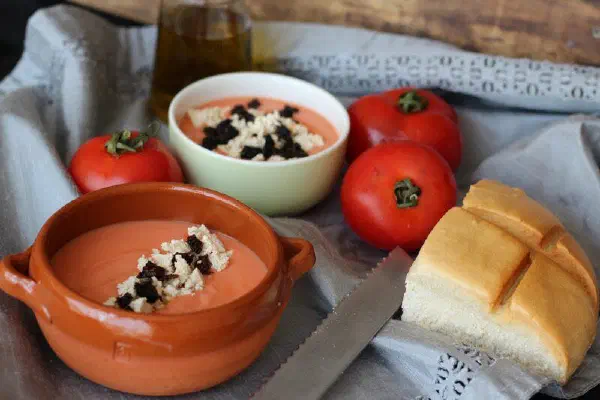
Salmorejo Cordobés is a wonderfully refreshing Spanish speciality that hails from the city of Córdoba in Andalusia. This cold soup is ideal for hot summer days and is made from simple yet high-quality ingredients. The main component is juicy ripe tomatoes, which blend together with bread, garlic and olive oil to create a smooth, creamy texture. Salmorejo is often served with toppings such as hard-boiled eggs and Serrano ham, striking a perfect balance between flavour and texture.
Ingredients (serves 1–2)
- 500 g ripe tomatoes
- 100 g stale white bread
- 1 clove of garlic
- 100 ml olive oil
- 1 tablespoon white wine vinegar
- Salt, to taste
- Optional: hard-boiled eggs and Serrano ham
Shopping for the ingredients
When shopping for the ingredients, take care to choose ripe and juicy tomatoes, as they are the main flavour carrier of this refreshing soup. Stale white bread is often available cheaply from local bakeries. Look for a good-quality olive oil, since it gives the dish its creamy consistency and a distinctive flavour. Serrano ham and eggs can be added as a topping to round things out, but they remain entirely optional.
Preparing the dish
Before you begin cooking, the tomatoes should be washed and roughly chopped. Soak the white bread in a little water until it softens. Peel and roughly chop the garlic. Make sure all the ingredients are well prepared so the process runs smoothly. This saves time and means the dish can be served fresh and quickly, a real advantage when you want a cool meal on a warm day.
Step-by-step instructions
- Put the tomatoes, soaked bread and garlic into a blender.
- Add the olive oil and white wine vinegar.
- Blend everything to a smooth, creamy consistency.
- Season with salt and give it another quick blend.
- Chill the finished soup in the fridge for at least one hour.
- Before serving, garnish with chopped hard-boiled eggs and Serrano ham if you like.
Gluten-free / lactose-free version
To make a gluten-free version of salmorejo, simply swap the stale white bread for gluten-free bread. Take care that all the other ingredients are free from traces of gluten too. Since the recipe is lactose-free by nature, you don’t need to make any additional adjustments. Enjoy this delicious soup with complete peace of mind.
Tips for vegans and vegetarians
Salmorejo is a vegetarian dish from the outset. To make it vegan, simply leave off the hard-boiled eggs and the Serrano ham as toppings. Alternatively, you can add vegan toppings such as toasted pine nuts or avocado. The base of the soup stays exactly the same and offers a full, satisfying flavour even in this form.
More tips and tricks
For a particularly intense aroma, you can briefly blanch the tomatoes before blending and remove the skins. This results in an even smoother soup. If you like it especially creamy, use a high-quality olive oil that emulsifies well as you blend. Serve salmorejo in chilled bowls to maximise that cooling effect on hot days.
Adapting the recipe to your taste
Salmorejo is easy to tailor to different taste preferences. If you prefer a little heat, add a pinch of cayenne pepper or a finely chopped chilli. For a gently sweet note, stir in a touch of sugar or honey. You can also work in different herbs such as basil or parsley to give the dish a personal twist, much as you might season a hearty Puchero Andaluz to your own liking.
Ingredient substitutions
If you don’t have white bread to hand, baguette or ciabatta work just as well. The tomatoes can be swapped for other ripe and juicy varieties when they are in season. If you find olive oil too intense, a neutral vegetable oil can stand in, though the flavour will shift slightly. Toppings such as chopped pepper or cucumber are also a fine addition, the same fresh touch that brightens a plate of Espinacas con Garbanzos.
Drink pairing ideas
Salmorejo pairs beautifully with light, refreshing drinks. A well-chilled white wine or rosé goes excellently with this soup. Sparkling water with a squeeze of lemon is another good choice. If you prefer something alcohol-free, cold herbal tea or a homemade lemonade are lovely options for keeping the meal cool and crisp.
Serving and presentation ideas
To serve salmorejo in an eye-catching way, use colour-contrasting toppings such as green herbs or red pepper strips. Present the soup in chilled bowls or glasses for an especially refreshing effect. A few drops of olive oil on the surface and a grind of fresh pepper finish off the presentation. Cherry tomatoes on a small skewer make another decorative idea.
A bit of history
Salmorejo has its roots in Córdoba, a city in Andalusia famed for its rich culinary tradition. Originally it was a simple peasant dish, made from whatever ingredients the region had to offer. Over time it has grown into a treasured delicacy, now found on the menus of many Spanish restaurants. The combination of tomatoes, bread and olive oil captures the spirit of Mediterranean cooking and offers an authentic taste experience that sits at the heart of Spanish cuisine.
More recipe ideas
Summary: Salmorejo Cordobés
In short, salmorejo is a unique, refreshing cold soup from Córdoba, built from simple, natural ingredients. Its smooth, creamy texture makes it a perfect dish for warm days. The many ways to adapt it and the variety of toppings leave plenty of room for creativity and personal preference. Give this traditional dish a try and enjoy a piece of Spanish culture right in your own home.