National Dish Spain: Tortas de Aceite (Recipe)
In this article
Crisp, golden and faintly sweet, Tortas de Aceite are one of the great little treasures of southern Spain. These thin olive oil wafers are the perfect partner for a strong coffee or an afternoon pick-me-up, shattering into delicate shards at the first bite. Scented with aniseed and a whisper of sesame, they carry all the warmth of the Andalusian sun in every mouthful. Best of all, they call for just a handful of pantry staples and bring a touch of Mediterranean flair to your kitchen.
About Tortas de Aceite
Tortas de Aceite are very good from the sun-drenched south of Spain. This traditional pastry is often enjoyed with coffee or as a little snack between meals. Its gently sweet character, combined with the bold flavour of olive oil, makes these tortas an unmistakable treat. They are wonderfully crisp in the bite and leave a lingering hint of aniseed that turns every mouthful into something special. They sit comfortably among the sweet bakes of Spanish cuisine, alongside other classic treats from across the country.
Ingredients (serves 1–2)
- 250 g plain flour
- 50 g sugar
- 75 ml olive oil
- 50 ml water
- 12 g fresh yeast
- 1 pinch of salt
- 1 tsp aniseed
- 1 tsp sesame seeds
- Sugar, for sprinkling
Shopping for the ingredients
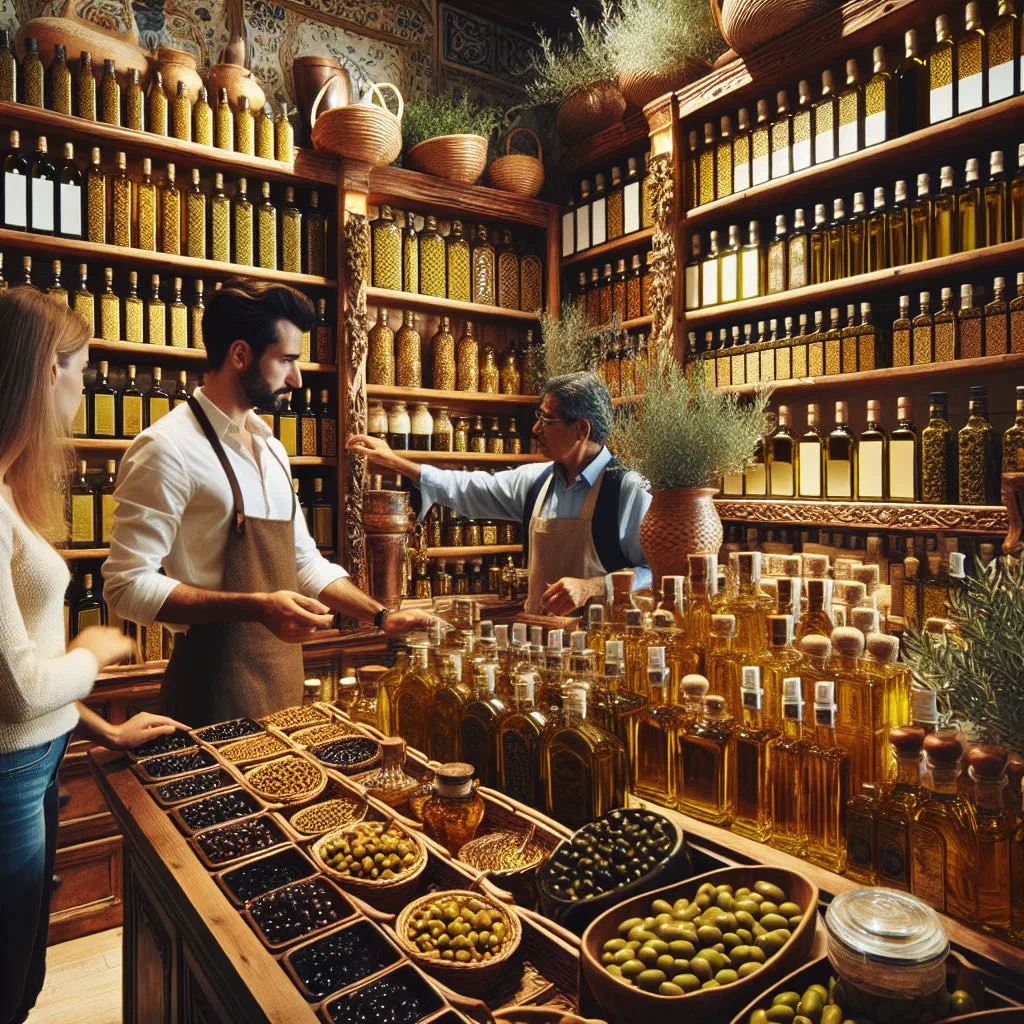
When shopping for the ingredients for tortas de aceite, it pays to choose a good-quality olive oil, as this is what gives the pastry its characteristic flavour. Fresh yeast from the chiller cabinet lends the dough its light, airy structure. The aniseed and sesame seeds can be found in well-stocked supermarkets or delicatessens. A jar of olive paste on the same shelf is a good reminder of just how central the olive is to this part of Spanish cooking.
Preparing the dish
Before you start making the tortas de aceite, make sure all the ingredients are at room temperature. The fresh yeast is dissolved in lukewarm water and then mixed with the other ingredients. The dough should be kneaded thoroughly so that the tortas turn out properly crisp later on. A resting time of around an hour is important, allowing the dough to prove and develop.
Step-by-step instructions
- Dissolve the yeast in 50 ml of lukewarm water and leave to rest for 10 minutes.
- Combine the flour, sugar, aniseed, sesame seeds and salt in a bowl.
- Add the olive oil and the dissolved yeast to the flour mixture and knead well.
- Leave the dough to rest in a warm place for an hour.
- Divide the dough into small portions and roll out into thin rounds.
- Sprinkle the rounds with a little sugar and bake in a preheated oven at 200°C for about 10–12 minutes, until golden brown.
Gluten-free / lactose-free version
For a gluten-free version of tortas de aceite, the wheat flour can be replaced with a gluten-free flour blend. The key here is finding the right mix, one with similar baking properties to wheat flour. Since the recipe contains no dairy ingredients anyway, it is already lactose-free as it stands.
Tips for vegans and vegetarians
This recipe for tortas de aceite is already vegan, as it contains no animal products whatsoever. Vegetarians can of course tuck in without a second thought too. The list of ingredients and the method stay exactly the same, so both vegans and vegetarians can enjoy this pastry. If you fancy other plant-based Spanish nibbles, the chickpea-and-spinach combination of Espinacas con Garbanzos makes a hearty companion.
More tips and tricks
To vary the flavour of your tortas de aceite, you can add extra spices such as cinnamon or a little vanilla. Sprinkling the rounds with different kinds of sugar, like brown sugar or unrefined cane sugar, also lends a special note. For a more intense aniseed flavour, toast the aniseed briefly in a dry pan before adding it to the dough.
Adapting the recipe to your taste
The basic recipe for tortas de aceite is easy to tailor to personal preference. If you like things sweeter, simply increase the amount of sugar. For a savoury version, you can use herbs such as rosemary or thyme. Adding nuts or dried fruit is another option that brings extra variety to the bake.
Ingredient substitutions
If certain ingredients are not to hand, there are plenty of alternatives. Instead of fresh yeast you can use dried yeast, adjusting the quantity accordingly. If you have no aniseed, fennel seeds make a good stand-in and give a similar flavour note. These small swaps are common across Spanish baking, much as they are in the buttery Galletas Maria con Chocolate.
Drink pairing ideas
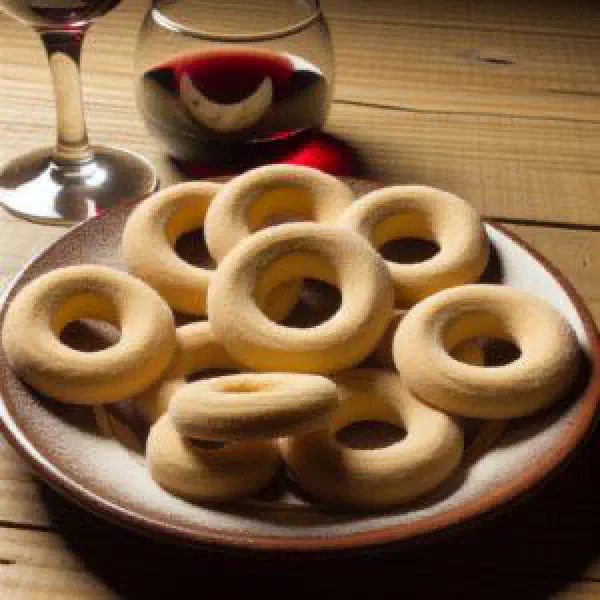
Tortas de aceite go beautifully with all sorts of drinks. A strong coffee or espresso brings out the sweetness of the tortas. A glass of red wine, ideally a robust Spanish one, pairs well too. For an alcohol-free option, freshly squeezed orange juice or a still, unsweetened tea are both excellent choices.
Serving and presentation ideas
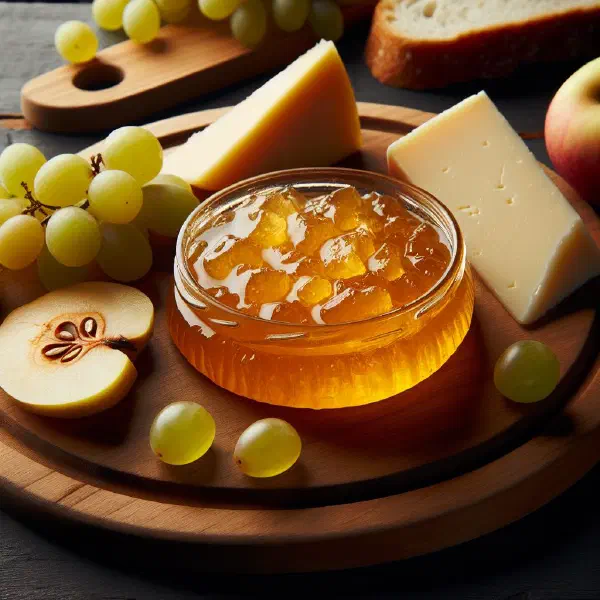
To present tortas de aceite at their most appealing, serve them on a rustic wooden board. A dusting of icing sugar or a garnish of fresh herbs such as rosemary adds extra visual charm. Small bowls of honey or jam for dipping round off the presentation nicely. They look lovely set out alongside other Spanish sweets like a wedge of Pastel Vasco.
A bit of history
Tortas de aceite have a long tradition in Andalusian cooking. They were originally brought to Spain by Arab settlers and refined over the centuries. For a long time they were regarded as humble, everyday food, yet today they are a prized speciality found in many Spanish homes and cafés, much like the festive Roscón de Reyes that graces tables on special occasions.
More recipe ideas
Summary: Tortas de Aceite
Tortas de aceite are a traditional Andalusian pastry that wins everyone over with the unique flavour of olive oil and aniseed. With just a few ingredients and a simple method, you can enjoy these delicious treats at home. Whether as a snack between meals or alongside your coffee, tortas de aceite are always a good choice. Give this Spanish classic a try and let it transport you straight to the sunny south.