National Dish Sri Lanka: Appam (Recipe)
In this article
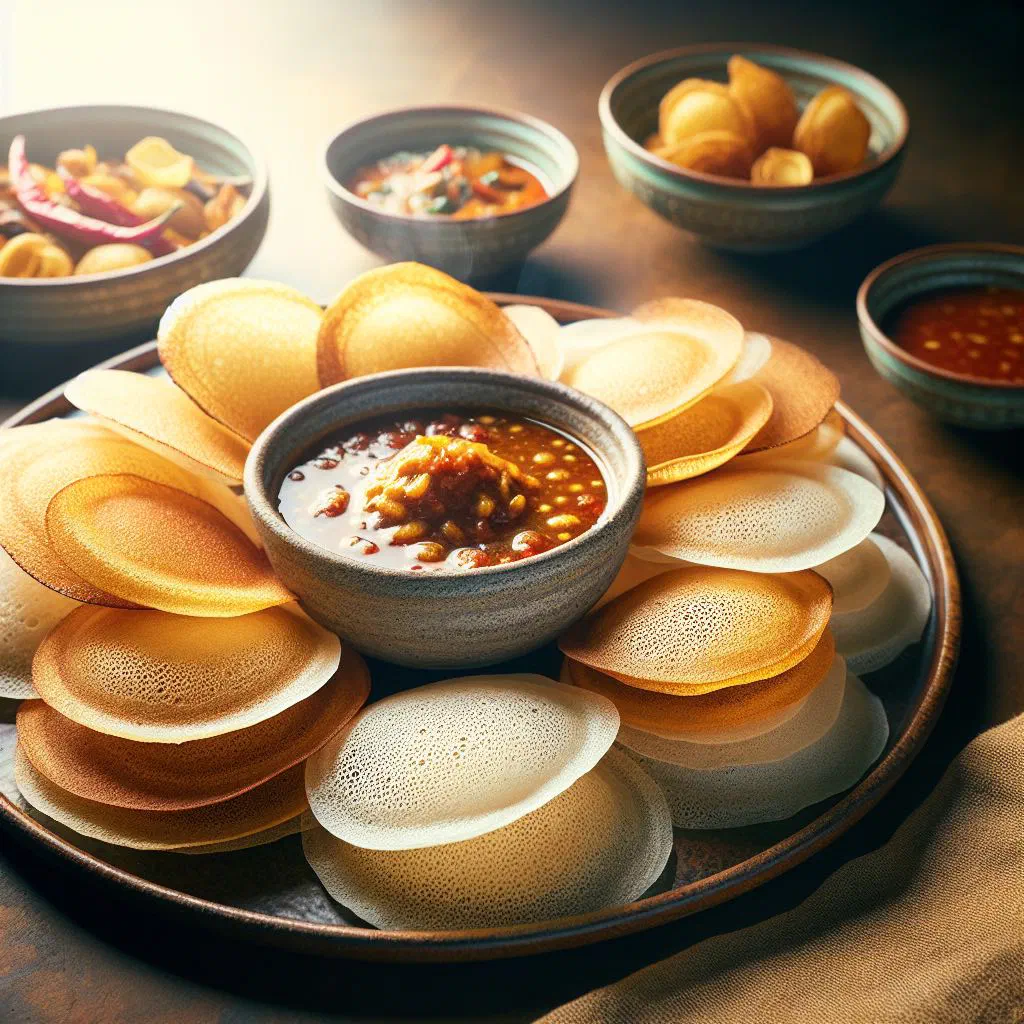
Meet Appam, the bowl-shaped pancakes better known across Sri Lanka as hoppers. With their lacy, crisp edges and pillowy soft centres, these fermented rice creations are a beloved breakfast and a cornerstone of the island’s kitchen. Enriched with coconut milk and cooked in a curved little pan, they carry a gentle tang from overnight fermentation and pair beautifully with spicy curries and sambols. Bring a taste of the tropics to your own table with this simple recipe.
About Appam
Appam, widely known as hoppers, are a traditional speciality from Sri Lanka. This airy, crisp pancake-like dish is often enjoyed at breakfast or as a snack. Made from a fermented rice batter, appam are prized for their distinctive bowl shape and delicate flavour. Cooked in a small curved pan, they turn golden and lacy at the edges while staying soft in the middle. Served with spicy curries or sambols, appam offer an incomparable culinary experience that sits at the heart of Sri Lankan cuisine.
Ingredients (serves 1–2)
- 1 cup rice (preferably parboiled rice)
- 1/4 cup cooked rice
- 1/4 cup coconut milk
- 1 tsp sugar
- 1/4 tsp baking soda
- Salt to taste
- Oil, for greasing the pan
Shopping for the ingredients
Most of the ingredients for appam are easy to find in Asian supermarkets or well-stocked grocery shops. The most important thing is to choose good-quality rice and fresh coconut milk, as these guarantee the authentic flavour that makes hoppers so special. If you can, seek out proper parboiled rice, and check the label on tinned coconut milk for a rich, creamy consistency.
Preparing the dish
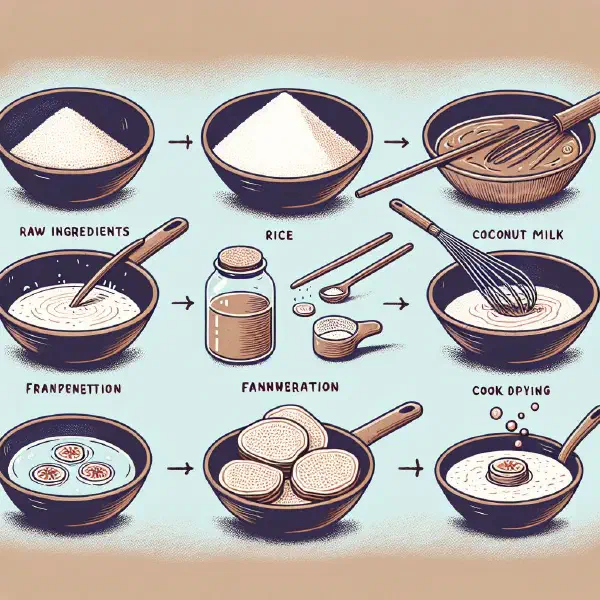
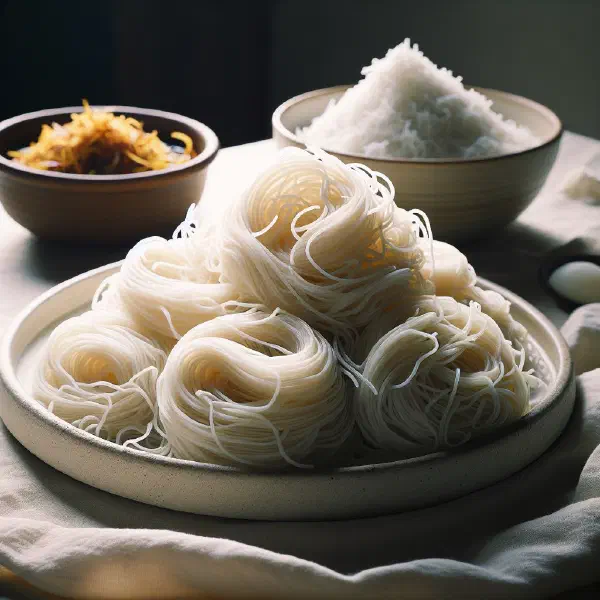
First, soak the rice for at least 4 hours. Next, blend the soaked rice together with the cooked rice, coconut milk and a little water in a mixer until you have a smooth paste. Transfer the paste to a bowl, cover it with a cloth and leave it to ferment in a warm place overnight. This resting stage is what gives appam their signature lightness and gentle sourness, much like the batter behind traditional String Hoppers.
Step-by-step instructions
- The next day, stir the baking soda, sugar and salt into the fermented batter.
- Lightly grease a special hoppers pan or a small non-stick pan with oil and heat it over medium heat.
- Pour a ladle of batter into the centre of the pan, then swirl the pan so the batter spreads evenly and thins out towards the edges.
- Cover the pan and cook for about 2–3 minutes, until the edges are crisp and the centre is cooked through.
- Serve the finished appam straight away while they are hot.
Gluten-free / lactose-free version
Appam are naturally gluten-free, since they are made entirely from rice and coconut milk with no wheat in sight. Ideal for anyone with a gluten intolerance. They are also lactose-free by design, as the coconut milk stands in for any dairy. This makes hoppers a wonderfully inclusive dish that almost everyone at the table can enjoy without a second thought.
Tips for vegans and vegetarians
This dish is already vegan, as it contains no animal products whatsoever. Vegetarians and vegans alike can enjoy appam with a variety of plant-based curries and sides, such as a lentil Dhal Curry or a fresh Coconut Sambol. These accompaniments add colour, heat and protein while keeping the whole meal completely meat-free.
More tips and tricks
Make sure the batter is well fermented to achieve the characteristic lightness of hoppers. Use a dedicated hoppers pan to get that perfect bowl shape, though an ordinary small non-stick pan will do the job too. Keep the heat steady and moderate, too high and the edges scorch before the centre sets. A quick swirl of the pan just after pouring is the secret to those beautifully thin, crisp rims.
Adapting the recipe to your taste
You can add different spices to the batter to vary the flavour. Try mixing in a little cardamom or a few fennel seeds for a fragrant, aromatic twist. For an egg hopper, crack an egg into the centre of the batter just after swirling and let it cook until set. Small tweaks like these let you make the recipe your own while keeping the classic character intact.
Ingredient substitutions
If coconut milk is not available, almond or oat milk can be used to achieve a similar consistency, though the flavour will be a touch less rich. Instead of parboiled rice, jasmine or basmati rice also works well. These flexible swaps mean you can still enjoy hoppers with whatever you happen to have in the cupboard, without losing that signature soft-and-crisp texture.
Drink pairing ideas
Enjoy appam with traditional drinks such as Ceylon tea or refreshing coconut water. A cooling Mango Lassi complements the dish beautifully, balancing any spice from the accompanying curries. For something lighter, a simple glass of chilled king coconut water echoes the tropical flavours and rounds off the meal perfectly.
Serving and presentation ideas
Serve the appam on a large plate and garnish them with fresh herbs such as coriander. Set out small bowls of different dips and curries so your guests can help themselves as they please. A fiery Lunu Miris alongside a mild curry gives everyone a choice, and arranging the golden bowls in a neat row makes for an inviting, colourful spread.
A bit of history
Appam have a long history in Sri Lankan cooking and are a firm fixture at traditional festivals and celebrations. Originally from South India, they became popular in Sri Lanka through centuries of cultural exchange across the Palk Strait. Over time the island made the dish its own, and today hoppers are as much a symbol of a leisurely Sri Lankan breakfast as they are of festive family gatherings.
More recipe ideas
Summary: Appam
Appam are a genuine highlight of Sri Lankan cooking, offering an incomparable taste experience with their crisp edges and soft, fluffy centres. With our step-by-step guide, you can easily recreate this traditional dish at home. Experiment with different spices, curries and sambols to find your own favourite combination, and let these golden hoppers bring a little of Sri Lanka’s warmth to your kitchen.