National Dish Sri Lanka: Kalu Dodol (Recipe)
In this article
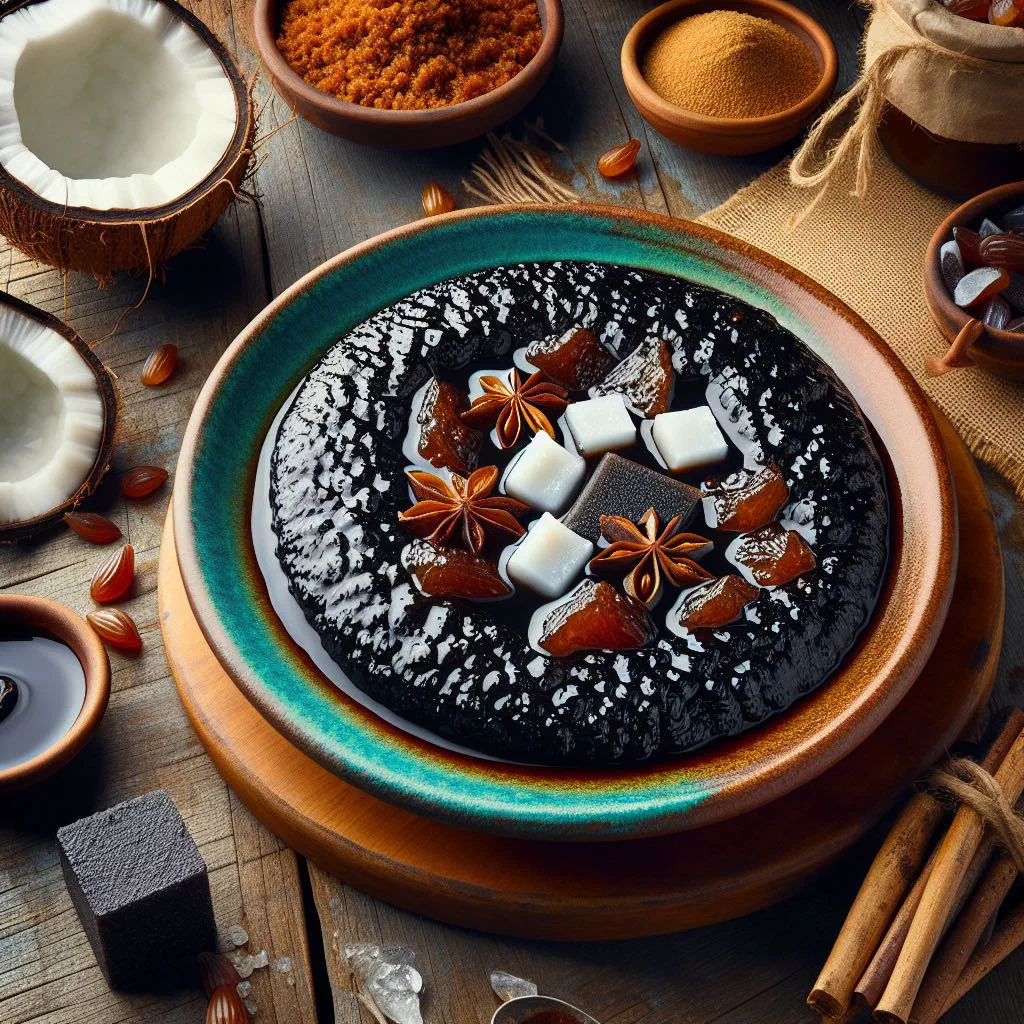
Discover Kalu Dodol, one of Sri Lanka’s most beloved traditional sweets. This rich, dark coconut fudge brings together coconut, fragrant jaggery and rice flour in a glossy, chewy treat that captivates every visitor to the tropical island. Slow-cooked until thick and deeply caramelised, it is a dessert made for festive occasions yet simple enough to whip up whenever you fancy something sweet. Bring a taste of the island’s celebrations straight to your own kitchen.
About Kalu Dodol
Kalu Dodol is a much-loved, traditional dessert from Sri Lanka that enchants everyone who tastes it with its unique flavour. It is made chiefly from coconut, jaggery (cane sugar) and rice flour, which together form a creamy, sweet and wonderfully chewy mass. This dessert is a treat for the palate and for the eye, as it is often presented in beautiful, rustic shapes. Kalu Dodol is perfect for festive occasions and brings sweet moments to any household, standing proud among the classics of Sri Lankan cuisine.
Ingredients (serves 1–2)
- 1 cup rice flour
- 1 cup coconut milk
- 1/2 cup jaggery (cane sugar)
- 1/4 teaspoon salt
- 1/4 teaspoon cardamom (optional)
- A little oil (for greasing the tin)
Shopping for the ingredients
To make Kalu Dodol, it is best to gather your ingredients from a well-stocked grocery or an Asian supermarket. Look out for good-quality coconut milk, as it has a decisive influence on the aroma and creaminess of the dessert. Jaggery is another key component, lending the dish its characteristic caramel-like sweetness. If you can, buy fresh coconut flesh to intensify the flavour even further.
Preparing the dish
Preparing Kalu Dodol is straightforward and great fun. Start by setting out all your ingredients and keeping your work surface clean and tidy. It is a good idea to prepare a tin into which you will pour the finished dessert; grease it thoroughly so the dodol can be turned out easily later. The mixture needs to be stirred well to avoid lumps and to achieve a smooth, even consistency.
Step-by-step instructions
- In a bowl, mix the rice flour thoroughly with the coconut milk and the salt.
- Add the jaggery and stir everything into a smooth, homogeneous batter.
- Heat the mixture in a pan over medium heat, stirring constantly, until it becomes thick and creamy.
- Pour the dodol into the prepared tin and smooth the surface.
- Let the dessert cool and cut it into pieces once it has set.
Gluten-free / lactose-free version
The recipe for Kalu Dodol is naturally gluten-free, as it uses only rice flour. This makes it ideal for anyone with a gluten intolerance. The recipe is also lactose-free, since coconut milk is used instead of dairy milk. That means vegans and those who need to watch their lactose intake can enjoy this delicious dessert too, much like the naturally dairy-free Coconut Milk Rice.
Tips for vegans and vegetarians
For vegans, Kalu Dodol is an excellent choice, as it is made entirely from plant-based ingredients. Just take care that the coconut milk you use is purely plant-based. To make the dessert a little healthier, you can replace the jaggery with alternative sweeteners such as coconut sugar or date syrup. This gives the dessert an extra nutritional advantage while keeping it just as sweet and tasty.
More tips and tricks
Versatility is one of the great strengths of Kalu Dodol. You can adapt the recipe to your personal taste by adding different spices such as cinnamon or vanilla. If you would like a more intense coconut flavour, stir in some desiccated coconut as well. Give your creativity free rein and put your own personal stamp on the dessert.
Adapting the recipe to your taste
Everyone has different preferences when it comes to desserts. One of the advantages of Kalu Dodol is that you can adjust the sweetness to suit yourself. Try using less sugar, or reach for natural sweeteners to make the dessert less sweet. You can also experiment with the texture, some people like it softer and stickier, while others prefer it firmer and denser.
Ingredient substitutions
If you do not have certain ingredients to hand, there are plenty of alternatives. Rice flour, for example, can be swapped fairly easily for oat flour if you wish, although this may contain gluten. As for the coconut milk, you could use another plant-based milk such as almond milk, though this might alter the typical flavour of the dessert. Experiment with different ingredients to find out what suits your taste best.
Drink pairing ideas
Kalu Dodol pairs beautifully with a range of drinks that complement its sweet flavour. A warm cup of spiced chai tea, enriched with fragrant spices, goes perfectly with it. A refreshing glass of coconut water can be a wonderful choice for underlining the tropical notes. Or enjoy it with a fruity, mango-based drink for a sweet and delicious finish.
Serving and presentation ideas
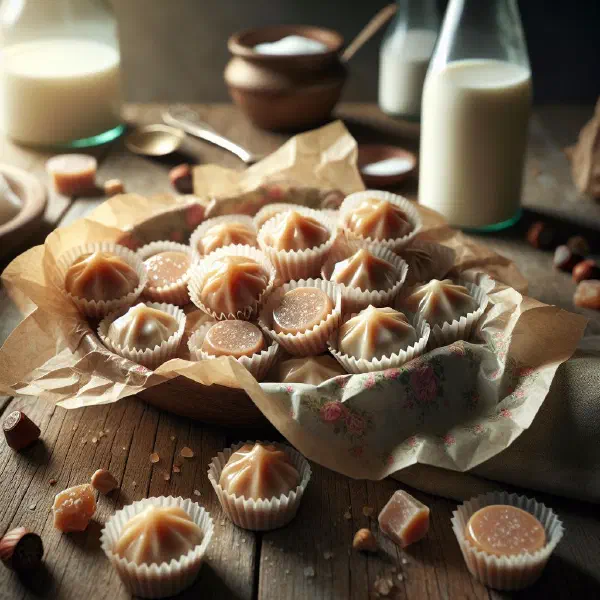
The presentation of Kalu Dodol can greatly enhance the whole experience. Cut the dessert into even pieces and serve it on an attractive plate. Garnished with fresh desiccated coconut or a dusting of icing sugar, it looks even more appealing. A sprig of mint as a garnish can add an extra touch of colour to the dish.
A bit of history
The roots of Kalu Dodol run deep in the traditional cuisine of Sri Lanka, reaching back to the 19th century. It was originally a festive dish, prepared for special occasions. Its popularity has endured over the years, and it has become a symbol of Sri Lankan culture. In many families the recipe is passed down from generation to generation, underlining the special significance of this dessert.
More recipe ideas
Summary: Kalu Dodol
In summary, Kalu Dodol is a very good dessert that unites the flavours of coconut, jaggery and rice flour. It is perfect for festive occasions or as a special treat. The preparation is simple, and the result is a delicious dessert that appeals to both the palate and the eye.