National Dish Sri Lanka: Kiribath (Recipe)
In this article
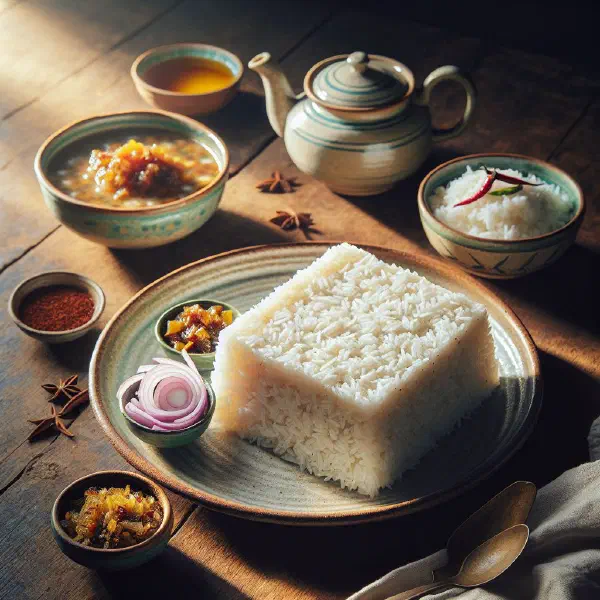
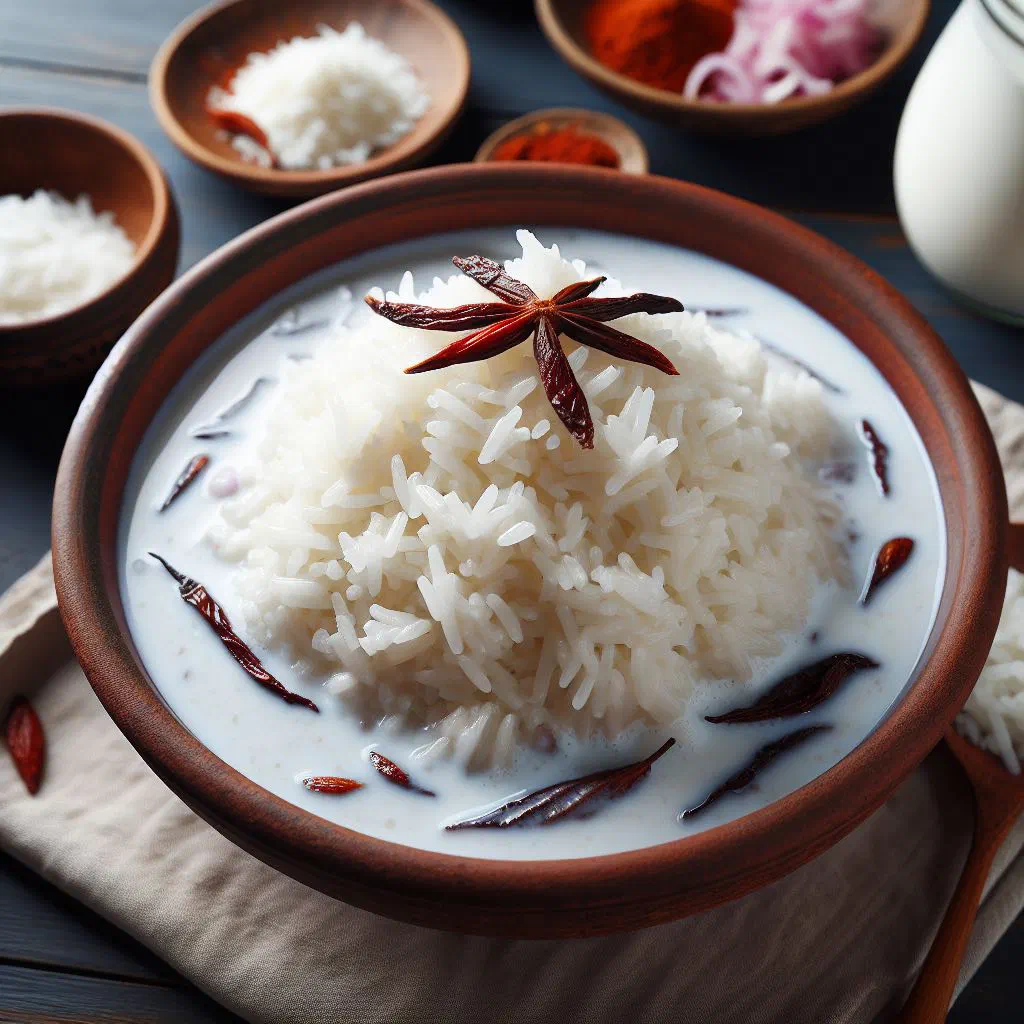
Meet Kiribath, the milk rice that Sri Lankans reach for whenever there is something worth celebrating. Made from little more than rice and creamy coconut milk, it is simplicity itself, yet it carries a wealth of meaning: prosperity, good fortune and fresh beginnings. Cut into neat diamonds and served for breakfast or at festive gatherings, this gently rich dish brings a genuine taste of Sri Lankan culture straight to your own table.
About Kiribath
Kiribath is a traditional national dish of Sri Lanka, prepared from plain rice simmered in creamy coconut milk. This fragrant dish is often served at celebrations and special occasions, and it carries deep cultural significance. Making kiribath is straightforward and symbolises prosperity and joy, which is why it is such a popular choice for marking blessings and new beginnings. Many Sri Lankans start their day with a plate of kiribath, since it is both nourishing and satisfying.
Ingredients (serves 1–2)
- 1 cup jasmine rice or basmati rice
- 1 cup coconut milk
- 1 cup water
- 1/2 teaspoon salt
- Optional: sugar or honey for extra sweetness
Shopping for the ingredients
To make kiribath you will want fresh, good-quality ingredients, which are often found in Asian or specialist food shops. It is important to choose a rice suited to the dish, such as jasmine rice or basmati rice. The coconut milk should likewise be of good quality to guarantee the fullest flavour. Most supermarkets now stock tinned coconut milk too, which makes the preparation that little bit easier.
Preparing the dish
Preparing kiribath takes only a few steps and is quickly done. First, rinse the rice thoroughly to wash away excess starch and improve the flavour. This also helps the finished dish achieve a pleasant, even texture. Next, measure out the coconut milk and the water so the ratio is just right. A pinch of salt draws the flavours together and makes the dish even more moreish.
Step-by-step instructions
- Rinse the rice well in a sieve until the water runs clear.
- Put the rice, coconut milk, water and salt into a pan.
- Bring to the boil over medium heat, then reduce to low.
- Simmer the rice for 15–20 minutes, until the liquid is absorbed and the rice is cooked through.
- Fluff the finished kiribath with a fork and serve warm.
Gluten-free / lactose-free version
Kiribath is naturally gluten-free and can easily be adapted into a lactose-free dish, since it relies on coconut milk rather than dairy. This makes it ideal for anyone with food intolerances. For an added health boost, you can also use brown rice in place of white, which increases the nutritional value. It is worth keeping an eye out for other lactose-free options while shopping, so you always have a broad range of ingredients to hand.
Tips for vegans and vegetarians
For vegans, kiribath is an excellent choice, as it is entirely plant-based. If you fancy sweetening it, reach for natural sweeteners such as agave syrup or maple syrup rather than honey to keep it fully vegan. To make the dish richer and more wholesome, you might experiment with fresh fruit or freeze-dried berries. These add extra vitamins and make the plate look more appealing.
More tips and tricks
An important tip when making kiribath is to use fresh coconut milk wherever possible, as this lends the dish a wonderfully authentic flavour. It can also help to add spices such as cinnamon or nutmeg for an aromatic note. Play with the sweetness to suit your own taste, adjusting the amounts until you have created your perfect kiribath. Presentation matters too, so take a little care to arrange the dish attractively.
Adapting the recipe to your taste
Kiribath is a highly adaptable dish that can easily be varied to suit different palates. You can stir in pulses or nuts as it cooks to change the nutritional value and the texture. You might also experiment with different flavourings such as cardamom or vanilla to achieve interesting new tastes. The versatility of this dish makes it an ideal candidate for creative time in the kitchen.
Ingredient substitutions
If you do not have coconut milk to hand, you can also use other plant-based milks such as almond cream or soya milk, though the flavour will differ. For a low-carb version, cauliflower rice makes a clever stand-in. In place of rice you could also try quinoa for a more protein-rich base. Bear in mind that each of these alternatives may take a little practice to get the right consistency. A closely related take on the classic is the Coconut Milk Rice, well worth a try.
Drink pairing ideas
Kiribath pairs beautifully with a range of drinks. A fresh black tea or herbal tea goes well alongside it. A fruity smoothie is another good match, complementing the flavours of the dish. You could even experiment with a lightly spiced drink to heighten the exotic atmosphere that kiribath offers. Combinations like these make the meal all the more inviting and give you an incomparable taste experience.
Serving and presentation ideas
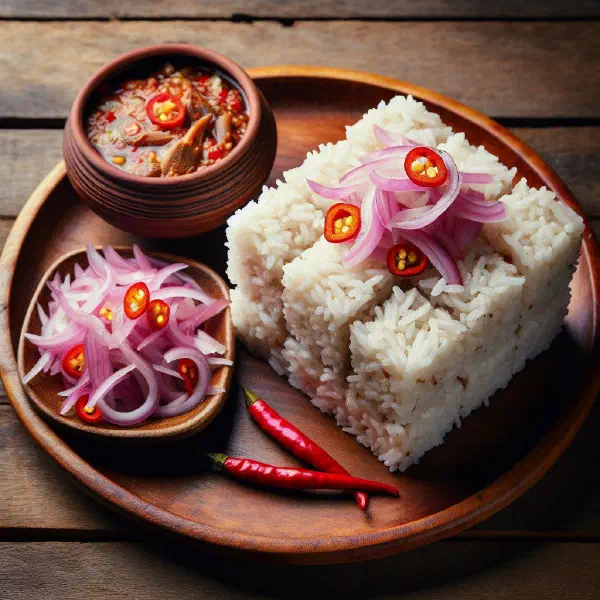
An attractive presentation of kiribath can greatly enhance the enjoyment of the meal. Use pretty serving bowls or simple plates to arrange the dish stylishly, cutting it into the traditional diamond shapes. Fresh mint or coriander make excellent garnishes, adding both colour and flavour. A side of fruit or nuts can enrich the visual impression and the taste, turning mealtime into something special. It is often served with a spoonful of fiery Lunu Miris for contrast.
A bit of history
Kiribath has a long and ceremonial history in Sri Lanka, reaching back to ancient times. It is traditionally prepared for weddings, birthdays and other important celebrations, symbolising luck and blessings. The dish has been prized for its taste and for its spiritual meaning. Indeed, making kiribath is said to encourage prosperity and abundance in everyone’s life, which makes it a thoroughly optimistic dish and a cornerstone of Sri Lankan cuisine.
More recipe ideas
Summary: Kiribath
Kiribath is more than just a traditional dish; it is a symbol of culture, prosperity and joy in Sri Lanka. With its simple preparation and delicious flavour, it is perfect for breakfast or festive occasions alike. The many ways to adapt the recipe make it easy to tailor kiribath to your own preferences. Enjoy this exceptional dish and bring the taste of Sri Lanka into your kitchen.