National Dish Sri Lanka: Manioc Mallum (Recipe)
In this article
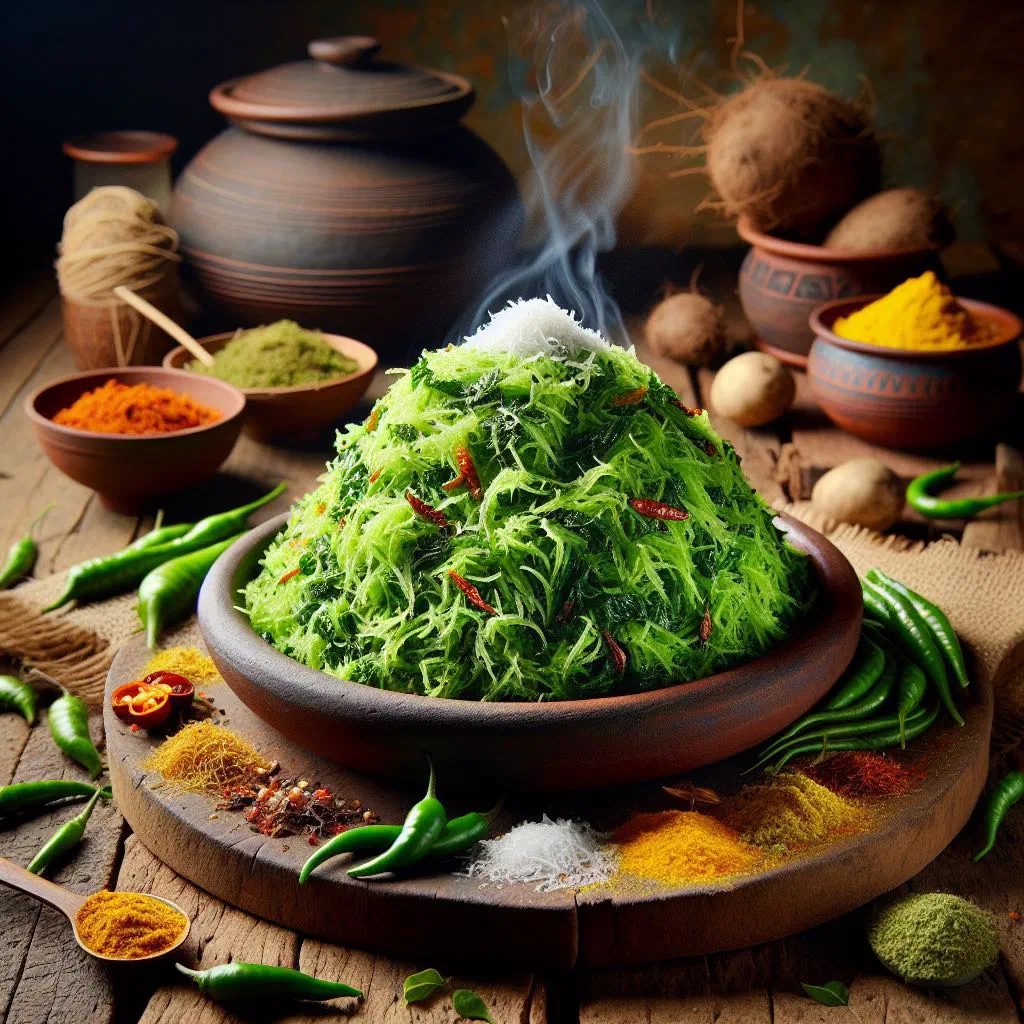
Meet Manioc Mallum, a bright and wholesome dish that shows off the everyday magic of Sri Lankan home cooking. Tender pieces of nutritious cassava are tossed with fresh herbs, warming spices and a scattering of coconut, giving you a plate that is as nourishing as it is full of flavour. Simple to put together yet packed with character, it works beautifully as a side or as a light meal in its own right.
About Manioc Mallum
Manioc Mallum is a traditional dish from Sri Lanka made from the nutrient-rich cassava root. This delicious mixture brings together fresh herbs and spices that turn the dish into a genuine flavour experience. It is often served as a side to main courses, but it can just as happily be enjoyed on its own as a main meal. If you are keen to explore the many flavours of Sri Lankan cooking, Manioc Mallum is an excellent place to begin.
Ingredients (serves 1–2)
- 200 g cassava root
- 1 small onion, finely chopped
- 2 cloves garlic, crushed
- 1 handful fresh coriander, chopped
- 1 tsp mustard seeds
- 1 tsp ground turmeric
- Salt to taste
- 2 tbsp grated coconut (optional)
- 2 tbsp olive oil or coconut oil
Shopping for the ingredients
When choosing the ingredients for Manioc Mallum, freshness matters most. Head to your local market or an Asian grocery to track down fresh cassava and aromatic herbs. Pay particular attention to the onions and garlic, as they give the dish its depth of flavour. If you cannot find special spices such as mustard seeds or turmeric fresh, the dried versions work perfectly well too.
Preparing the dish
Before you start cooking Manioc Mallum, peel the cassava root thoroughly and cut it into small pieces. This step is essential to make sure the root turns soft as it cooks and can soak up the flavours of the other ingredients. Have everything clean and ready before you begin, as this keeps the whole process running smoothly and lets you focus fully on the cooking.
Step-by-step instructions
- Peel the cassava root and cut it into small pieces.
- Boil the cassava in a pan of water for about 15 minutes, until soft.
- Heat the oil in a frying pan and add the mustard seeds. Wait until they begin to pop.
- Add the finely chopped onion and crushed garlic, and fry until golden brown.
- Stir in the turmeric and the boiled cassava, mixing everything well.
- Finally, fold through the fresh herbs and grated coconut.
- Season with salt and serve.
Gluten-free / lactose-free version
Manioc Mallum is naturally gluten-free and lactose-free, which makes it an ideal choice for anyone with those intolerances. You can enjoy the recipe with complete peace of mind, as none of the ingredients contain gluten or lactose. That makes it an exciting way to experience the flavours of Sri Lanka, whatever your dietary needs. It is equally suited to anyone who simply prefers to avoid certain ingredients.
Tips for vegans and vegetarians
Bear in mind that Manioc Mallum is a wonderful option for vegans and vegetarians, since every ingredient is plant-based. Feel free to adapt the recipe as you like, adding more vegetables or pulses to boost its nutritional value. Use good-quality, fresh herbs to intensify the flavour. A combination of cassava with green peas or carrots also makes for a lovely variation, much like the vegetable-forward Dhal Curry.
More tips and tricks
For the best possible flavour, take care to cook the cassava properly, as it can turn tough and unpleasant if underdone. Another tip is not to toast the mustard seeds for too long, as they can quickly become bitter. Experiment with the quantities and types of herbs to create your very own Manioc Mallum. It also helps to serve the dish fresh, as the aromas are at their most intense straight after cooking.
Adapting the recipe to your taste
Depending on your personal preference, you can play around with different spices to make your Manioc Mallum your own. Add chilli for a spicy kick, for example, or scatter over roasted peanuts for extra crunch. The texture can vary too, depending on how finely you break down the cassava, coarse or smooth, the choice is yours. This flexibility is part of what makes the dish so special and endlessly adaptable.
Ingredient substitutions
If you cannot find cassava root, you can replace it with potatoes or yams, which offer a similar texture, or take inspiration from a comforting Tapioca Curry, which draws on the same starchy root. You can adjust the herbs too: parsley or chives could make an interesting change. Instead of grated coconut, chopped nuts work well to refine the dish.
Drink pairing ideas
The perfect drink for Manioc Mallum might be a fresh mint tea or even an aromatic coconut water that echoes the flavours of Sri Lankan cooking. Alternatively, a light white wine or a lively fruit juice helps to harmonise the dish. Experiment with different drinks to discover the best pairing for your own taste. A blend of fresh juices can be especially refreshing.
Serving and presentation ideas
To present your Manioc Mallum attractively, use colourful plates or bowls that provide a lovely backdrop for the dish’s bright colours. Garnish it with fresh herbs and a slice of lime to make it look appealing. A carefully arranged plate makes a good impression and helps the flavours shine visually. Remember that we eat with our eyes too, and an inviting presentation makes the food all the more enjoyable.
A bit of history
The origins of Manioc Mallum reach deep into Sri Lankan culture and reflect the influences of the country’s many ethnic groups. Cassava itself is a staple food that grows across many tropical regions of the world. The cooking methods and the use of fresh herbs have developed over generations, showcasing the abundance of Sri Lanka’s natural larder. Each region may have its own variations, mirroring local food traditions and adding to the wider tapestry of Sri Lankan cuisine.
More recipe ideas
Summary: Manioc Mallum
Manioc Mallum is a delicious and nourishing dish that brings together the essential flavours of Sri Lanka. Thanks to its versatility and simple preparation, it works just as well as a side as it does as a main course. The combination of fresh herbs and spices gives the dish its distinctive touch and makes it a highlight of any meal. Give this recipe a try and let the many flavours of Sri Lanka win you over.