National Dish Sri Lanka: Murunga Curry (Recipe)
In this article
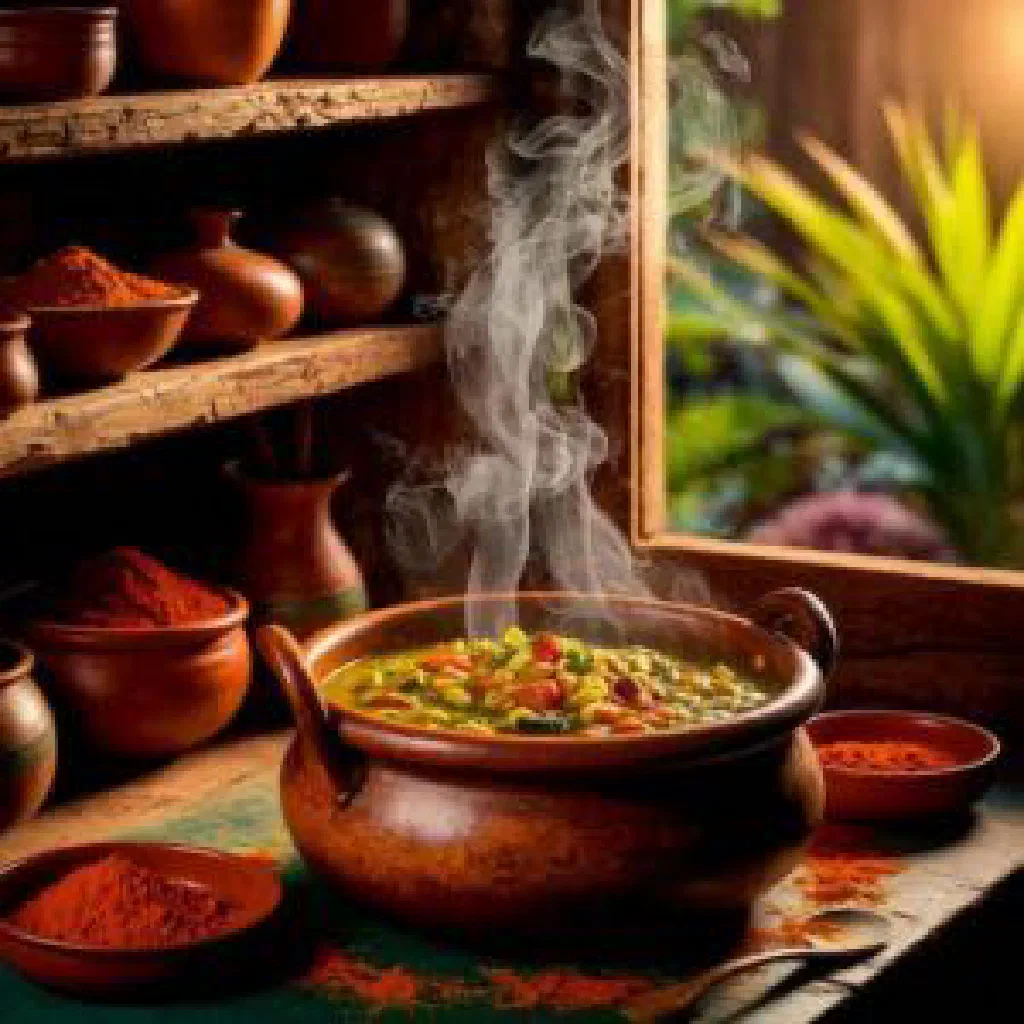
Meet Murunga Curry, a wholesome Sri Lankan classic that is as good for you as it is delicious. Built around nutrient-packed moringa leaves and simmered in creamy coconut milk, this gently spiced curry has long been treasured in Ayurvedic kitchens for its healing qualities. Fragrant with mustard seeds, turmeric and a touch of chilli, it is a comforting, everyday dish that brings the warmth of the island straight to your table.
About Murunga Curry
Murunga Curry is a traditional dish from Sri Lanka that wins people over with its flavour and with its health benefits. The star ingredient is the moringa leaf, prized in Ayurvedic cooking for being packed with vitamins, minerals and antioxidants that help support the immune system. By pairing fresh leaves with a handful of aromatic spices, this curry becomes a genuine treat for the senses while remaining light and nourishing.
Ingredients (serves 1–2)
- 200 g fresh moringa leaves
- 1 onion, finely chopped
- 2 garlic cloves, chopped
- 1 piece of ginger, grated
- 1 teaspoon mustard seeds
- 1 teaspoon turmeric
- 1 teaspoon red chilli powder (to taste)
- 200 ml coconut milk
- Salt to taste
- Oil, for frying
Shopping for the ingredients
The ingredients for Murunga Curry are widely available in Asian and international supermarkets. Fresh moringa leaves can occasionally be tricky to find, but they often turn up in Asian grocers or at farmers’ markets. If fresh leaves are out of reach, dried moringa makes a fine alternative. Do choose good-quality spices, as they make all the difference in drawing out the best flavour from the dish.
Preparing the dish
Getting Murunga Curry right starts with a little preparation so everything comes together smoothly. Begin by washing and roughly chopping the moringa leaves. Good groundwork also means finely chopping the onion and preparing the garlic and ginger in advance. A bit of careful prep saves time at the stove and helps ensure the finished curry is balanced and full of flavour.
Step-by-step instructions
- Heat the oil in a pan and add the mustard seeds, letting them pop.
- Add the chopped onion, garlic and ginger and fry until golden brown.
- Sprinkle in the turmeric and chilli powder and stir well to combine.
- Add the moringa leaves and toss them briefly in the spiced oil.
- Pour in the coconut milk and let the curry simmer gently over low heat.
- Season with salt and let it bubble away for at least 10 minutes.
Gluten-free / lactose-free version
Murunga Curry is naturally gluten-free and lactose-free, as it relies on neither wheat products nor dairy. Just double-check that your chosen spices contain no hidden sources of gluten. The fresh herbs and oil make the dish easy to tolerate for anyone with a gluten intolerance, while the coconut milk keeps it rich and satisfying without any need for dairy.
Tips for vegans and vegetarians
Murunga Curry is a wonderful choice for vegans and vegetarians, since it is built entirely on plant-based ingredients. The fresh moringa leaves deliver essential nutrients, while the spice blend keeps everything aromatic. To make the meal more filling, serve the curry with quinoa or extra vegetables. Feel free to experiment with a mix of different vegetables to make the dish even more varied and nutritious.
More tips and tricks
To take your Murunga Curry up a notch, try a few simple variations. Adding vegetables such as carrots or sweet potato brings extra colour and texture to the pan. For more heat, stir in fresh chillies or a handful of chopped coriander. A scattering of toasted nuts also makes a lovely topping, lending a welcome bit of crunch to each spoonful.
Adapting the recipe to your taste
Everyone has their own preferences, so it is well worth tailoring this recipe to suit you. Fancy something brighter? A squeeze of lime juice adds a fresh, zesty lift. If you prefer things milder, simply ease back on the chilli powder. With a few small tweaks, the dish becomes an individual highlight on your table.
Ingredient substitutions
You can happily adapt Murunga Curry by swapping in a few different ingredients. If moringa leaves are unavailable, spinach or other leafy greens step in nicely, much as they do in a comforting Mallung with Moringa Leaves. Instead of coconut milk, a plant-based cream keeps things silky and smooth. The flavour shifts slightly depending on your choices, but the curry stays delicious and aromatic throughout.
Drink pairing ideas
A spicy dish like Murunga Curry pairs beautifully with light, refreshing drinks. A cool glass of Mango Lassi or a fresh mint tea sits perfectly alongside the flavours of the curry. A light Sauvignon Blanc or a fruity rosé can also be a good match. Either way, the right drink rounds off the meal and keeps it a pleasure for all the senses.
Serving and presentation ideas
Thoughtful presentation can really lift the Murunga Curry experience. Serve the curry in a deep bowl and garnish it with fresh coriander or a scattering of grated coconut. A few lime wedges on the side add a splash of colour and invite everyone to squeeze on a little extra zing. Colourful tableware makes the whole dish look even more inviting.
A bit of history
Murunga Curry has a long tradition in Sri Lankan cuisine, where moringa is valued as a true staple food. The dish reflects the region’s versatility and its love of local, homegrown ingredients. Moringa is often called the miracle leaf, and it has been used for centuries in both the kitchen and traditional medicine. The particular blend of spices mirrors the cultural diversity and the many ethnic influences that shape the food of Sri Lanka.
More recipe ideas
Summary: Murunga Curry
Murunga Curry is a highlight of Sri Lankan cooking, pleasing with its fresh moringa leaves and a medley of aromatic spices. It is wonderfully simple to make and brings together great flavour with genuine health benefits. This curry carries the exotic aromas of Sri Lanka onto your plate. Let it inspire you, and enjoy the rich traditions of this fascinating cuisine.