National Dish Sri Lanka: Pittu (Recipe)
In this article
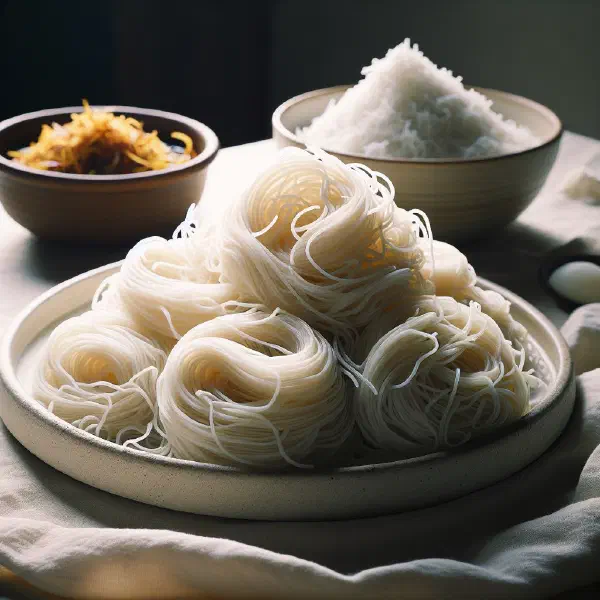
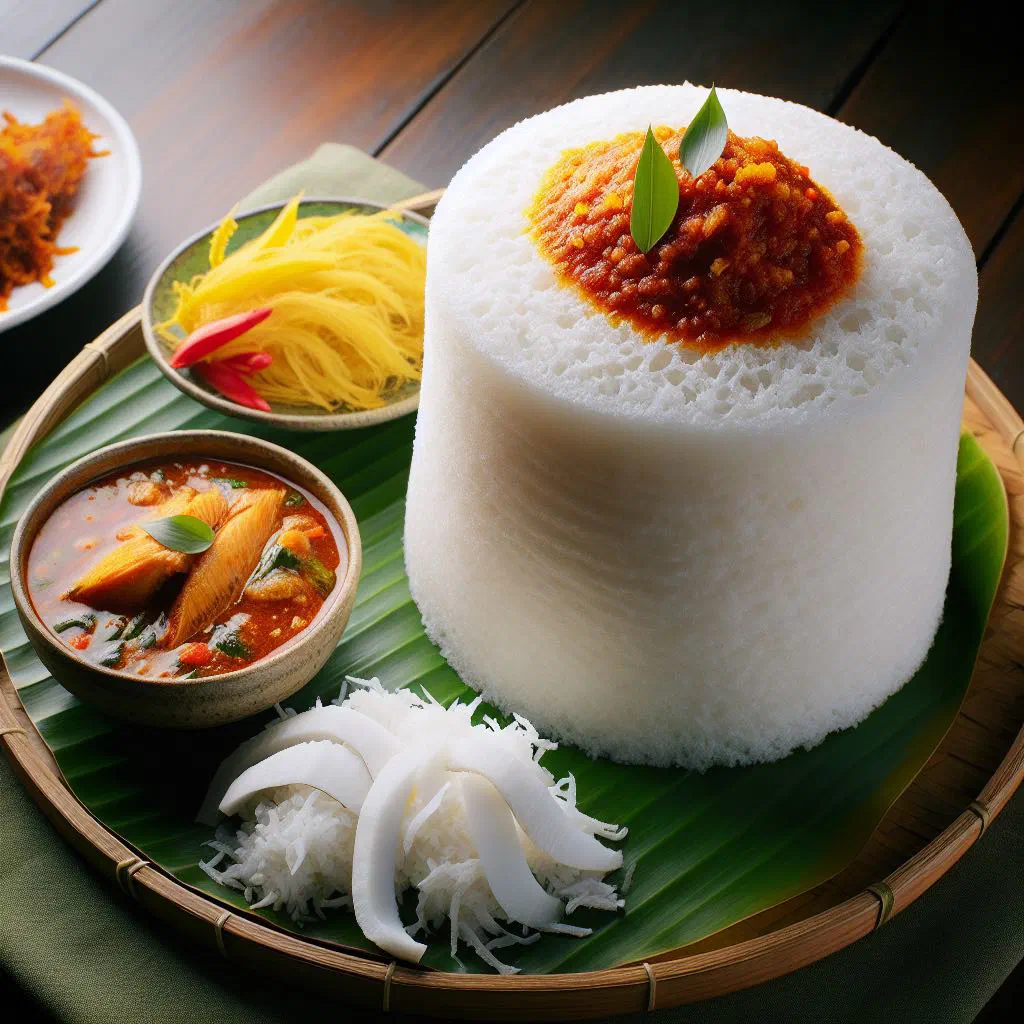
Discover Pittu, one of Sri Lanka’s most cherished comfort foods. These tender cylinders of steamed rice flour and freshly grated coconut carry the island’s warmth in every bite. Enjoyed savoury with a spicy curry or sweet with a drizzle of jaggery, pittu makes a wonderful breakfast or an anytime snack. Let its gentle aromas bring a little of Sri Lanka’s celebrated hospitality straight into your own kitchen.
About Pittu
Pittu is a traditional Sri Lankan dish that holds an important place both on the plate and in the island’s culture. At its heart lies a simple pairing of rice flour and grated coconut, gently steamed together in a special cylindrical mould. It can be enjoyed as a savoury dish or a sweet one, which makes it equally at home as a hearty breakfast or a satisfying snack at any time of day. The mingling of fragrant coconut and soft steamed rice brings a piece of Sri Lanka directly to your table.
Ingredients (serves 1–2)
- 200 g rice flour
- 100 g fresh grated coconut
- 1/2 teaspoon salt
- Water (as needed)
- To serve: curry or jaggery (to taste)
Shopping for the ingredients
To make pittu you will need fresh rice flour and grated coconut, both of which are easy to find in any Asian grocery or well-stocked supermarket. Choose good-quality products to get the very best flavour. Jaggery, a natural unrefined sweetener, can be picked up at Indian and Sri Lankan food shops or ordered online. If you plan to add spices, seek them out from a dedicated spice merchant to be sure of their freshness.
Preparing the dish
Before you start cooking pittu, weigh out your ingredients carefully and have everything to hand. The rice flour should be mixed through well before use so there are no lumps. It is also worth preparing the grated coconut in advance, as it gives the dish its lovely texture and flavour. If you like, you can stir in a little turmeric or chilli to lend the dish a touch more depth.
Step-by-step instructions
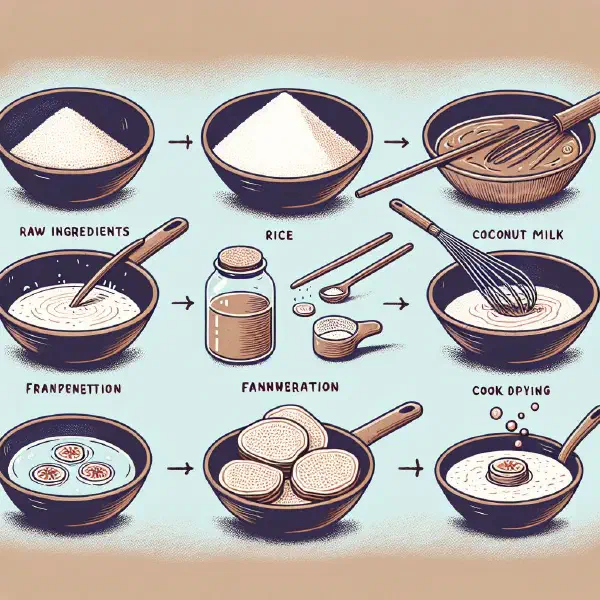
- Combine the rice flour with the grated coconut and salt in a large bowl.
- Gradually add water, a little at a time, until the mixture reaches a loose, crumbly, mouldable consistency.
- Layer the mixture into a traditional pittu mould, or use an alternative such as a bowl or steaming tube.
- Set the mould in a steamer or over a pot of boiling water and steam the pittu for about 20–25 minutes.
- Carefully turn it out once steamed and serve with your favourite curry or with jaggery.
Gluten-free / lactose-free version
Because pittu is made mainly from rice flour and grated coconut, it is naturally gluten-free. This makes it an ideal choice for anyone with coeliac disease or a gluten intolerance. To keep the whole meal lactose-free, simply pair it with plant-based accompaniments. Pittu is therefore delicious and well suited to a wide range of diets.
Tips for vegans and vegetarians
Pittu is naturally vegan, which makes it an excellent option for plant-based eating. You can make it even more interesting by serving it alongside different vegetables or plant proteins. A Dhal Curry works beautifully and can carry all sorts of extra nutrients and flavour.
More tips and tricks
To get the most out of your pittu, sift the rice flour a few times to ensure a fine, even texture. If steaming is not for you, you can try other methods such as baking or lightly frying the shaped mixture. Take care to moisten the mixture with just enough water so it does not dry out while cooking. Varying the aromas with a pinch of spice is an easy way to give your dish a personal touch.
Adapting the recipe to your taste
Pittu is a wonderfully flexible dish that adapts easily to personal preference. Prefer it sweet? Fold more jaggery or a little honey into the mixture. If you like heat, chilli powder or fresh chillies can be added without any fuss. You can also vary the accompaniments to match your own taste. There are countless ways to make pittu your own, much as a bowl of Kiribath can be dressed up to suit the moment.
Ingredient substitutions
If you cannot find rice flour, quinoa flour or a blend of gluten-free flours makes a good stand-in. The grated coconut can be swapped for ground almonds or hazelnuts to achieve a different flavour. The accompaniments are just as adaptable. Try a fresh Pol Sambol or a spoonful of chutney to give the dish a new character.
Drink pairing ideas
Pittu pairs especially well with traditional Sri Lankan drinks. Try refreshing coconut water or a fragrant tea spiced with cinnamon. Simple fruit juices or sparkling water also make lovely companions that refresh the palate between mouthfuls.
Serving and presentation ideas
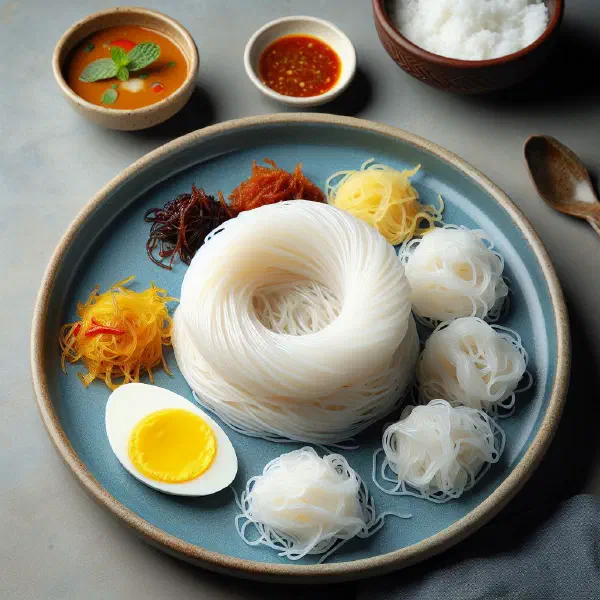
The look of pittu can be lifted with a scattering of fresh herbs such as coriander on the plate. Serve it on an attractive dish or in small, neat portions to make it visually appealing. The colours of the accompaniments add to the presentation too, a bright curry or a fruity chutney sets off lovely accents. A thoughtful presentation can raise the whole experience and impress your guests.
A bit of history
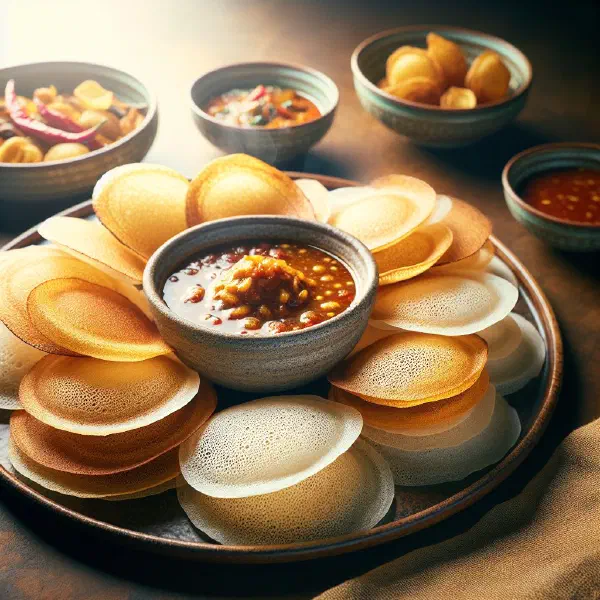
Pittu has its origins in Sri Lanka and is a treasured dish often served at special celebrations and festive gatherings. The techniques for making it have been handed down from one generation to the next, forming a valued part of the island’s heritage. In many households pittu is not simply cooked but regarded as a symbol of family bonds and togetherness, a place it shares with island classics like Hoppers within Sri Lankan cuisine.
More recipe ideas
Summary: Pittu
Pittu is a beautiful example of the flavours and traditions of Sri Lanka. With its easy preparation and its many possibilities for adaptation, it is a dish for everyone, from vegetarians to those with particular dietary needs. Let it inspire you, and try making this delicious national dish for yourself.