National Dish Sri Lanka: Pittu with Lunu Miris (Recipe)
In this article
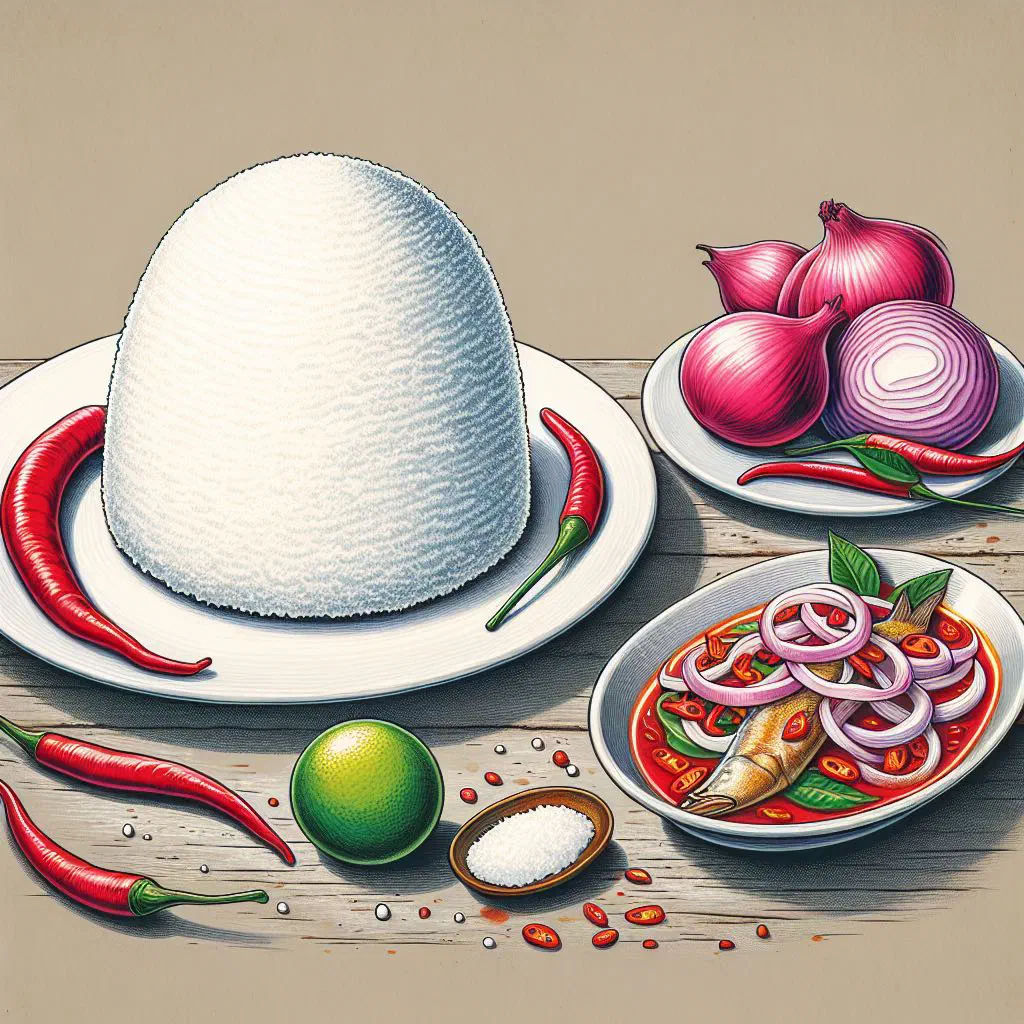
Meet Pittu with Lunu Miris, one of Sri Lanka’s most comforting home-cooked classics. Delicate cylinders of steamed rice flour and freshly grated coconut come together into something light, airy and gently savoury, then find their perfect partner in lunu miris, a fiery red coconut sambal that lifts every mouthful. Simple, wholesome and endlessly satisfying, it brings a genuine taste of the island straight to your table.
About Pittu with Lunu Miris
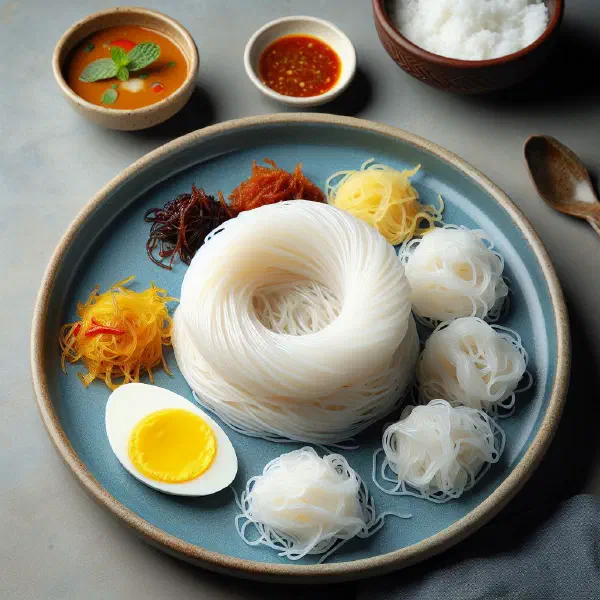
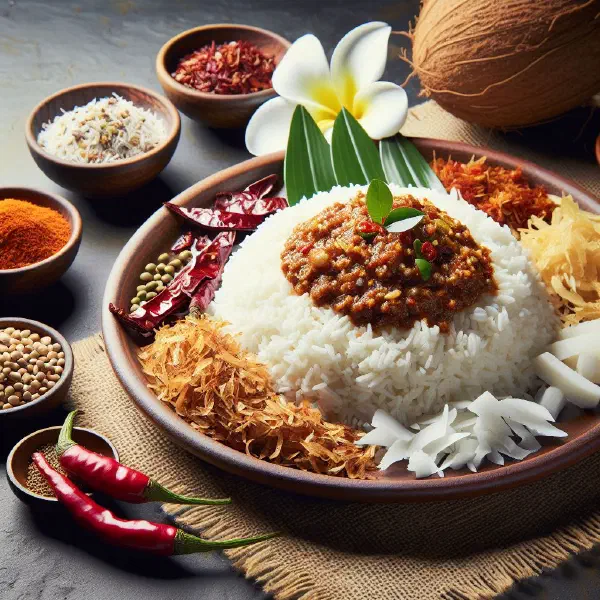
Pittu is a much-loved traditional dish from Sri Lanka that has won plenty of admirers over the years. Its main ingredient is rice flour, steamed in a special mould so that it emerges looking like little cylinders. These are wonderfully light and airy, making an ideal base for all sorts of accompaniments. What makes the dish especially exciting is lunu miris, a spicy coconut sambal that gives the pittu its unmistakable, fiery kick. It sits comfortably alongside other island staples such as Pol Sambol at the heart of everyday Sri Lankan cuisine.
Ingredients (serves 1–2)
- 1 cup rice flour
- 1 cup grated coconut
- 1–2 green chillies (to taste)
- 1 onion, finely chopped
- Salt (to taste)
- Water (for the preparation)
Shopping for the ingredients
To make Pittu with Lunu Miris, head to your local Asian grocery or a well-stocked supermarket. Try to pick out fresh ingredients, especially the grated coconut and the chillies, as they are decisive for the flavour of the dish. Rice flour is usually easy to find and often available in health-food shops too. Special ingredients such as the components for lunu miris can sometimes be ordered online if you cannot track them down in store.
Preparing the dish
Good preparation is an important step in making sure your pittu turns out perfectly. Start by mixing the grated coconut in a bowl with a little water until it is lightly moistened. Meanwhile, finely chop the chillies and the onion, which will later be worked into the lunu miris. Getting your ingredients ready in advance helps the cooking process run smoothly from start to finish.
Step-by-step instructions
- Tip the rice flour into a large bowl and season with salt to taste.
- Slowly add water while mixing well, until you have a moist, crumbly texture.
- Spoon the mixture into a pittu mould, layering the grated coconut in between the layers of flour.
- Add water to a steamer and steam the pittu for about 20–30 minutes, until firm and cooked through.
- While the pittu steams, fry the chillies and the onion in a pan and season with salt to prepare the lunu miris.
- Once steamed, carefully ease the pittu out of the mould, slice it and serve alongside the lunu miris.
Gluten-free / lactose-free version
For a gluten-free version of pittu, use rice flours specifically intended for gluten-free cooking so that the dish keeps its lively, fluffy texture. The dish is also naturally lactose-free, as it contains no animal products. Just make sure the grated coconut you use has no added ingredients that might contain lactose.
Tips for vegans and vegetarians
Pittu with Lunu Miris is naturally a wonderful vegan dish, since every ingredient needed is plant-based. To vary the flavours, you can also work different vegetables into the mixture, such as grated carrot or spinach. This boosts the nutritional value and makes the dish more colourful and appealing.
More tips and tricks
To make your pittu especially tasty, feel free to experiment with different spices. A pinch of cumin or coriander powder can lend the dish extra depth. Take care that the water used for steaming does not boil too fiercely, as this can affect the texture of the pittu. Let the island’s cooking inspire you and combine different accompaniments, a warming Dhal Curry works beautifully, to ring the changes.
Adapting the recipe to your taste
Everyone has different preferences when it comes to flavour. The recipe for Pittu with Lunu Miris is easy to adapt: dial down the heat with fewer chillies, or add garlic for extra aroma. You can also vary the consistency of the pittu by adding more or less water to make it lighter or firmer.
Ingredient substitutions
If you do not have every ingredient to hand, there are a few alternatives worth trying. Instead of grated coconut you could use coconut milk to give the dish a slightly different but equally tasty twist. For a hotter version of the lunu miris, reach for dried chilli powder, which offers a more intense aroma. Substitutions like these let you make the recipe more flexible without sacrificing any of the delicious flavour.
Drink pairing ideas
Fruity or refreshing drinks pair best with Pittu with Lunu Miris. A classic hibiscus tea or a chilled coconut water harmonises perfectly with the punchy flavours of the dish. If you fancy something alcoholic, try a light, sparkling beer or a fruity white wine. These drinks bring out the flavours of the dish beautifully and underline its cultural character.
Serving and presentation ideas
First impressions count, especially when it comes to presenting a dish. For an appealing presentation of Pittu with Lunu Miris, arrange it in an attractive bowl and garnish with fresh herbs or spring onions. Use colourful plates to emphasise the colours of the ingredients and brighten the overall look. A few lime wedges alongside add an extra hit of freshness and make the dish visually inviting.
A bit of history
Pittu is a culinary treat and part of the culture of Sri Lanka. It is often prepared in rural areas and is closely tied to tradition and country life. Originally it was served as an energy-rich meal for farmers and labourers. Over the years it has become woven into modern Sri Lankan cuisine and is enjoyed today in many households, both for special occasions and as everyday fare.
More recipe ideas
Summary: Pittu with Lunu Miris
Pittu with Lunu Miris is a versatile, flavoursome dish that reflects the rich culture of Sri Lanka. It is simple to prepare and offers plenty of scope for adaptation. The pairing of mild, steamed rice with the spicy coconut-based sambal makes it a treat for all the senses. Whether as a breakfast or a light lunch, this traditional dish brings a touch of Sri Lanka straight to your table.