National Dish Sri Lanka: Pol Roti (Recipe)
In this article
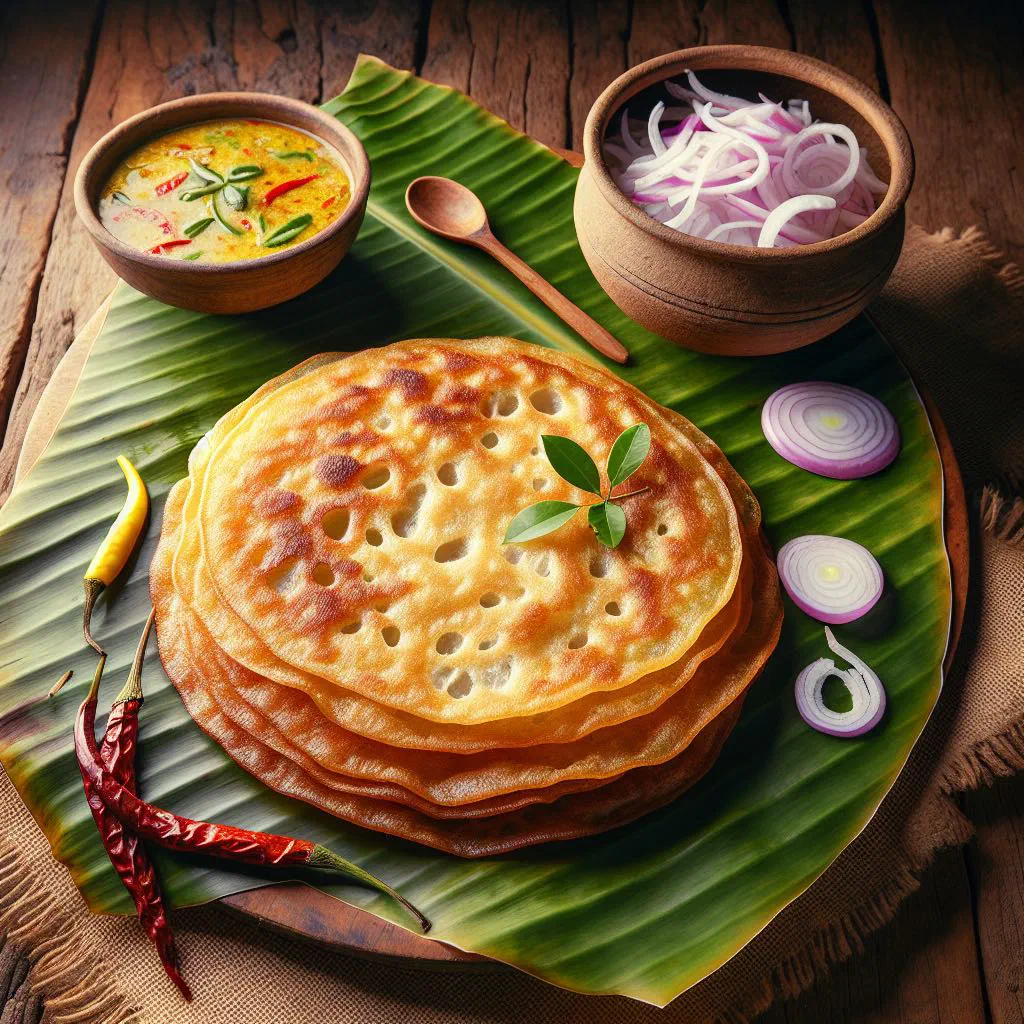
Meet Pol Roti, the humble coconut flatbread that starts the day in kitchens all across Sri Lanka. Made from just a handful of pantry staples, these savoury coconut roti are soft yet satisfyingly firm, with a gentle sweetness from freshly grated coconut. As a snack or alongside a fiery curry, they capture the warm, everyday flavours of the island. Best of all, they come together in barely half an hour with nothing more than flour, coconut and water.
About Pol Roti
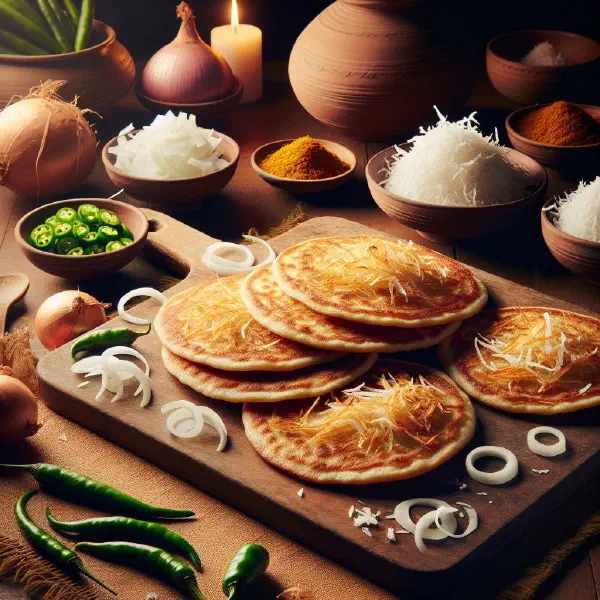
Pol Roti is a traditional flatbread from Sri Lanka, enjoyed in countless households as a favourite breakfast or snack. These savoury coconut roti are simple to make and deliver an authentic taste of Sri Lankan home cooking. The combination of wheat flour, grated coconut and water gives a soft yet firm texture that is a genuine pleasure to eat. On the island they are most often served with accompaniments such as a spicy sambol or an aromatic curry.
Ingredients (serves 1–2)
- 1 cup wheat flour
- 1/2 cup grated coconut
- 1/2 cup water
- 1 pinch of salt
- 1 tablespoon oil (optional)
Shopping for the ingredients
When shopping for the ingredients for pol roti, it is worth choosing good-quality grated coconut, as it has a decisive influence on the flavour of the finished bread. Fresh coconut is another excellent option if you want to make the roti even more fragrant. Wheat flour is easy to find in any supermarket and provides the perfect base for these flatbreads. Be sure, too, to use fresh, clean water for the dough.
Preparing the dish
Preparing pol roti takes only a few steps and can be finished in less than half an hour. Start by laying out all your ingredients so the process runs smoothly. It is a good idea to toast the grated coconut lightly, which deepens its flavour. Ready a floured work surface for rolling out the roti, along with a frying pan for cooking them.
Step-by-step instructions
- In a bowl, combine the flour, grated coconut, salt and water until you have a smooth dough.
- Divide the dough into small portions and shape them into balls.
- Roll out each ball thinly on a floured surface.
- Heat the pan and cook each roti for about 2–3 minutes per side, until golden brown.
- Serve warm and enjoy with sambol or curry to taste.
Gluten-free / lactose-free version
For anyone with a gluten or lactose intolerance, there are simple swaps for the traditional pol roti ingredients. Instead of wheat flour, use a gluten-free flour such as rice flour or chickpea flour to achieve a similar texture. You can also combine the grated coconut with a little plant-based milk to boost the aroma. These adjustments make sure that everyone can enjoy these delicious roti, whatever their dietary needs.
Tips for vegans and vegetarians
Pol roti is naturally vegan, provided no animal products are added. Take the same care when choosing your side dishes and stick to plant-based options. In place of meat-based curries, serve vegetable curries or a plant-based sambol, both of which pair beautifully with the roti. A fresh Coconut Sambol is a classic choice that keeps the whole meal vegan.
More tips and tricks
An important tip when making pol roti is not to knead the dough for too long, or it will turn tough. Let the dough rest for a few minutes so the ingredients can bind together more easily. You can also add different spices or herbs to the mixture to create appealing variations. This lends the roti extra layers of flavour and makes every batch feel a little different.
Adapting the recipe to your taste
The flexibility of this recipe lets you adapt pol roti to your own preferences. You might try different types of flour, such as cornmeal or buckwheat flour, to vary both the flavour and the nutritional profile. Add elements like spiced peanuts or dried fruit for a special touch. Variations like these are a wonderful way to make the dish more interesting for a range of tastes.
Ingredient substitutions
If you cannot find grated coconut, you can use ground almonds or other nuts instead. For a gluten-free option, quinoa flour works well for making the roti. And if you have no fresh herbs to hand, dried herbs make a fine substitute. It is well worth experimenting with different ingredients to find your own personal twist.
Drink pairing ideas
Pol roti pairs wonderfully with a variety of drinks. A classic chai tea or a refreshing coconut water is especially recommended to round off the meal. For a healthy option, choose a fresh fruit juice or a light vegetable smoothie. These drinks provide a harmonious balance to the savoury flavours of the roti.
Serving and presentation ideas
Thoughtful presentation can greatly enhance the enjoyment of pol roti. Serve the roti on a traditional thali or a large platter to make an appealing impression. Garnish them with fresh coriander or other herbs to add a touch of colour. Set out an array of accompaniments in small bowls so every guest can pick and choose as they like.
A bit of history
Pol roti has a history in Sri Lankan culture and has been prepared for generations in homes across the island. It is a symbol of the country’s traditional cuisine and is often regarded as a simple yet nourishing staple. The use of coconut runs deep through Sri Lankan cuisine, as the island is abundant in coconut palms. Over time, pol roti has become an essential part of everyday eating.
More recipe ideas
Summary: Pol Roti
In short, pol roti is a simple and tasty dish and a window into the diverse culture of Sri Lanka. Made with just a few ingredients, it offers plenty of room for adaptation and variation. Whether as a breakfast or a snack, pol roti is a treat that can be served on its own or with a range of accompaniments. Bring a piece of Sri Lankan cooking straight into your own home and dive into the delicious world of pol roti.